

Located in the San Pedro neighborhood of Los Angeles, the Cabrillo Marine Aquarium stands as one of California’s leading public oceanariums. The facility specializes in the oceanography and marine biology of Southern California, seamlessly blending scientific research with engaging educational programs. Operated by the City of Los Angeles Department of Recreation and Parks, its municipal status ensures it remains an accessible community treasure dedicated to bringing science to the public. You can find more details at los-angeles.name.
A Legacy of Growth
The aquarium’s history dates back to the 1930s, tracing a remarkable journey from a grassroots hobby to a world-class scientific institution. In 1934, lifeguard Bob Foster began displaying marine specimens in simple glass jars right on the beach. By the following year, the collection moved into the Cabrillo Beach Bathhouse, and the Cabrillo Beach Marine Museum was officially established in 1935.
William Lloyd served as the first director, laying the groundwork for the facility’s scientific expansion. In 1949, leadership passed to John Olguin, a pivotal figure who became the face of the aquarium. Olguin popularized the institution through school field trips and launched the now-famous grunion run observation program. By 1937, the collection already boasted over 100,000 items, cementing its status as one of the region’s largest marine centers.
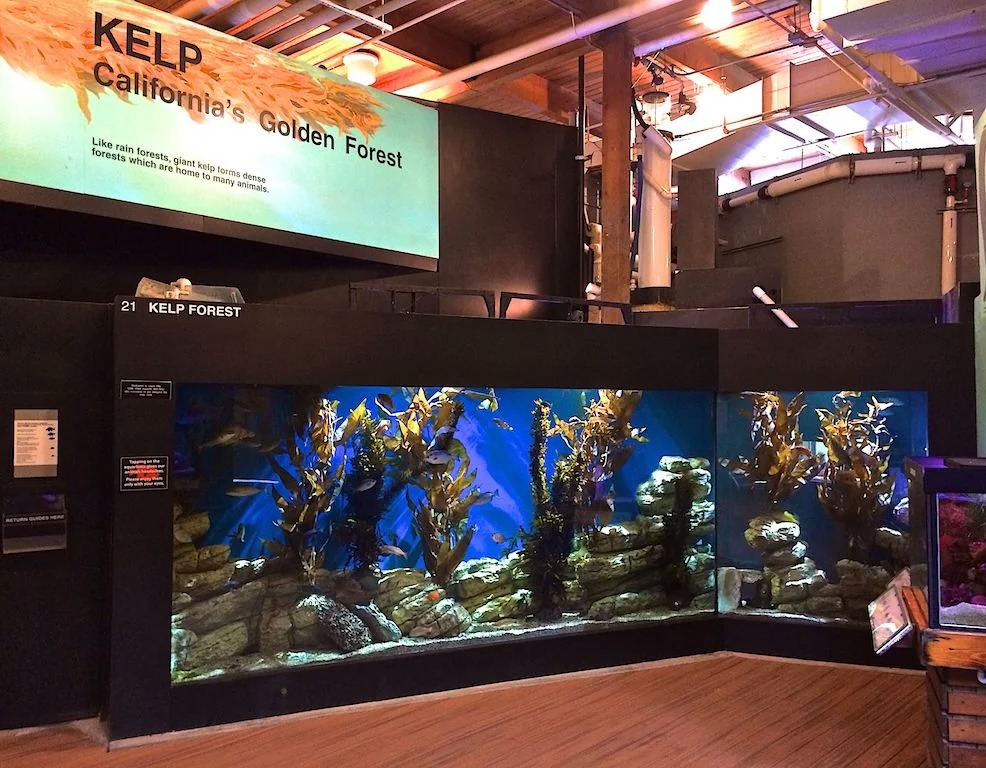
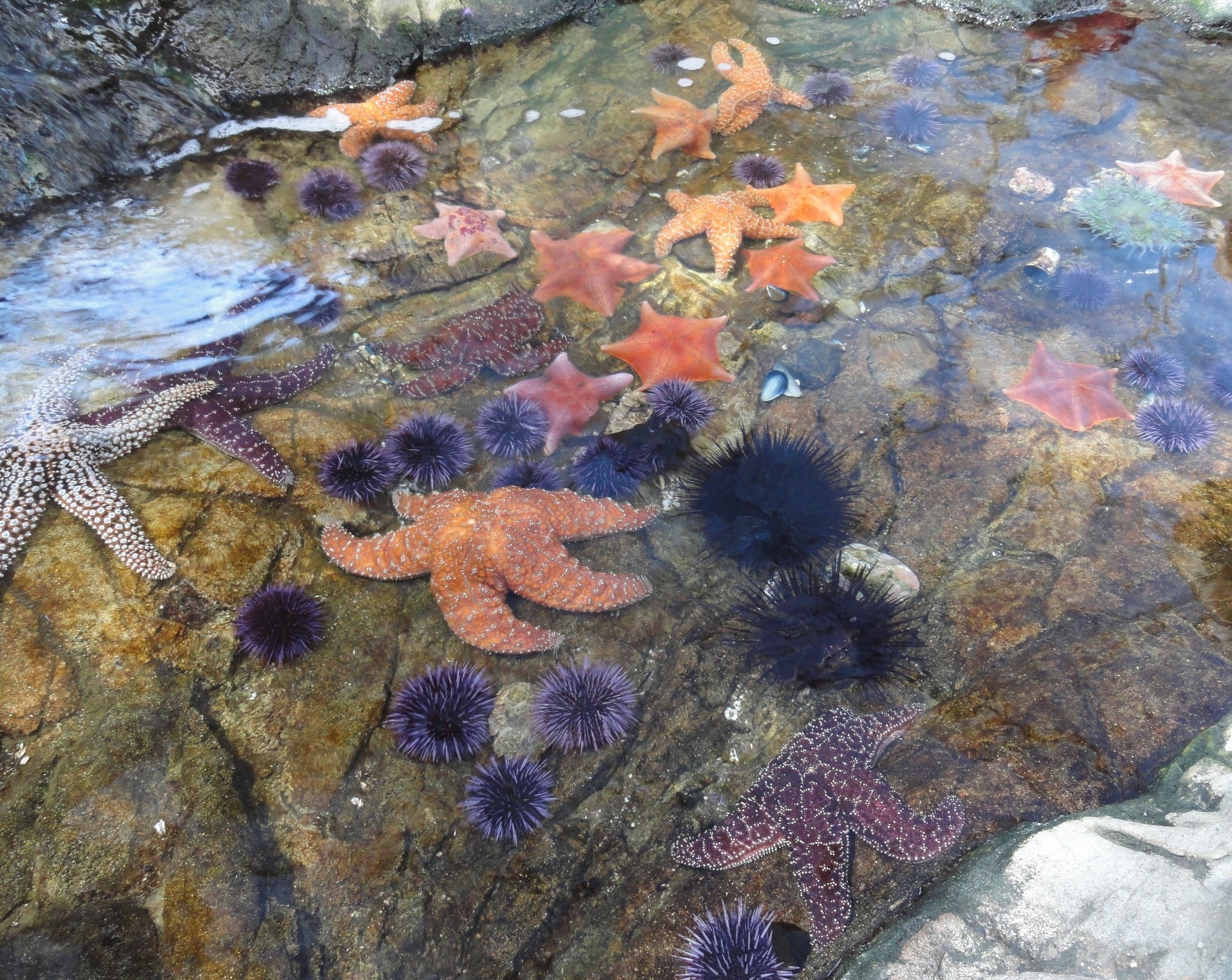
The latter half of the 20th century brought significant modernization. A new facility opened in 1981, giving the museum its modern look and greatly expanding its exhibition space. In 1993, the institution was renamed the Cabrillo Marine Aquarium to emphasize its living collections. This period saw a surge in educational initiatives, including the development of laboratories, youth programs, and the Ocean Outreach project. A major expansion in 2004, designed by Barton Phelps & Associates, added several state-of-the-art facilities: research labs, the Aquatic Nursery research center, the S. Mark Taper Foundation Courtyard, and the Virginia Reed Moore Science Library. The site uniquely bridges multiple environments—sandy beaches, rocky tide pools, salt marshes, and kelp forests—allowing the aquarium to showcase entire interacting ecosystems rather than just isolated species.
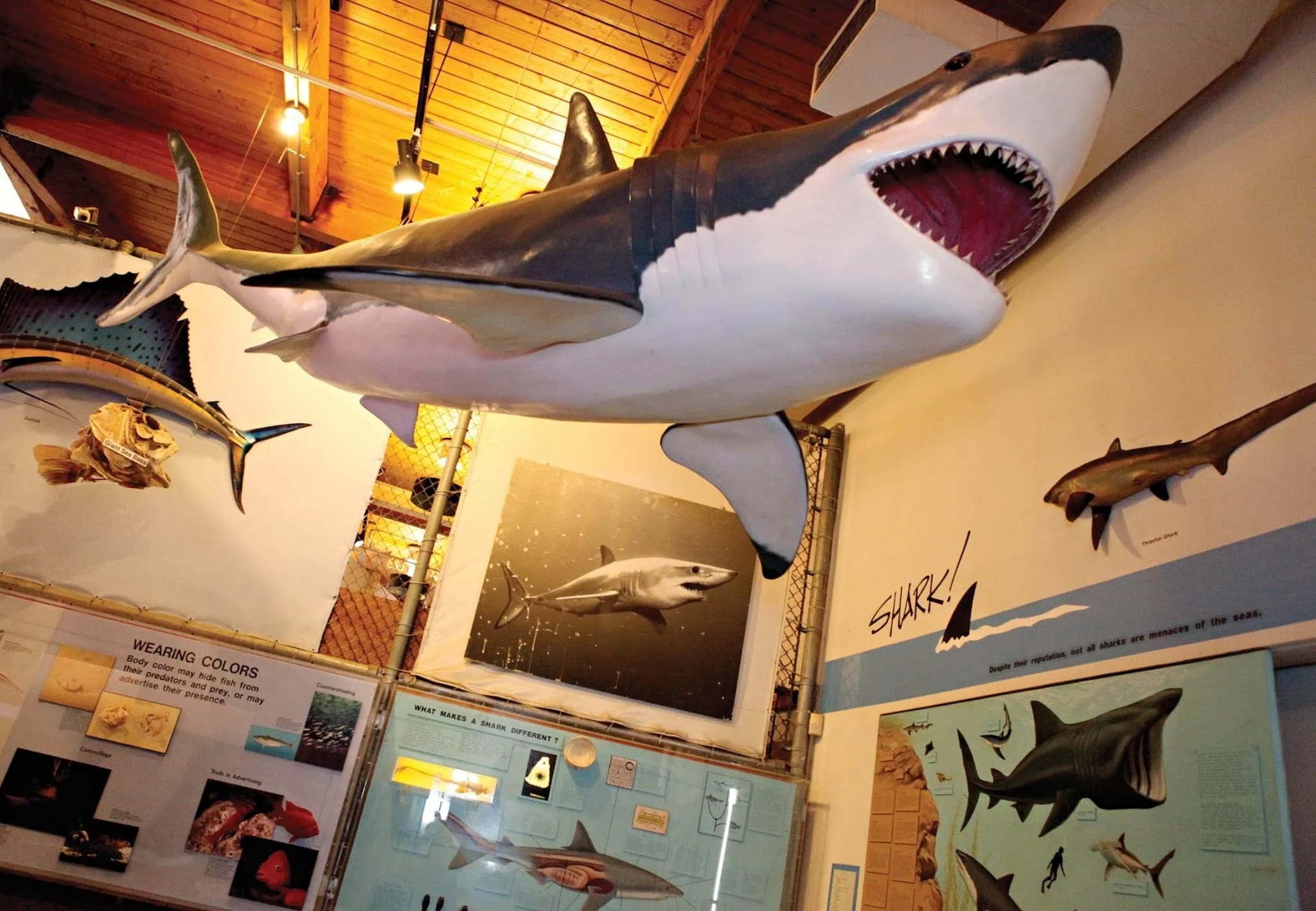
Cabrillo Marine Aquarium focuses specifically on the marine life native to the Southern California coast. It houses over 200 species, ranging from fish to invertebrates and marine flora. Exhibits are organized by habitat, covering everything from mudflats to the open ocean. The interactive touch tanks are a fan favorite, allowing visitors to get up close with marine life under expert supervision—an experience that fosters a deeper understanding of animal adaptation and the vital importance of coastal conservation.
Architectural Design
The aquarium’s architecture is a centerpiece in itself. Spanning roughly 23,000 square feet, the complex masterfully blends indoor and outdoor exhibits. The building is organized around an open-air central space, with the facility’s engineering systems intentionally left visible. This design choice offers visitors a transparent look at the technical complexity of maintaining marine life support systems.
The 2004 expansion added an additional 21,000 square feet, accommodating modern laboratories, offices, and a research library. The facade is adorned with a sculptural fiberglass screen, which has become a signature architectural landmark of the complex.
A Mission to Educate
Cabrillo Marine Aquarium serves as a vital educational gateway to Southern California’s marine ecosystems. It offers a wide array of school programs, interactive exhibits, research projects, and volunteer opportunities. One of its most enduring traditions is the Grunion Run program, which has been held since 1951. This unique event combines scientific education with the firsthand thrill of witnessing a natural phenomenon on the shoreline.
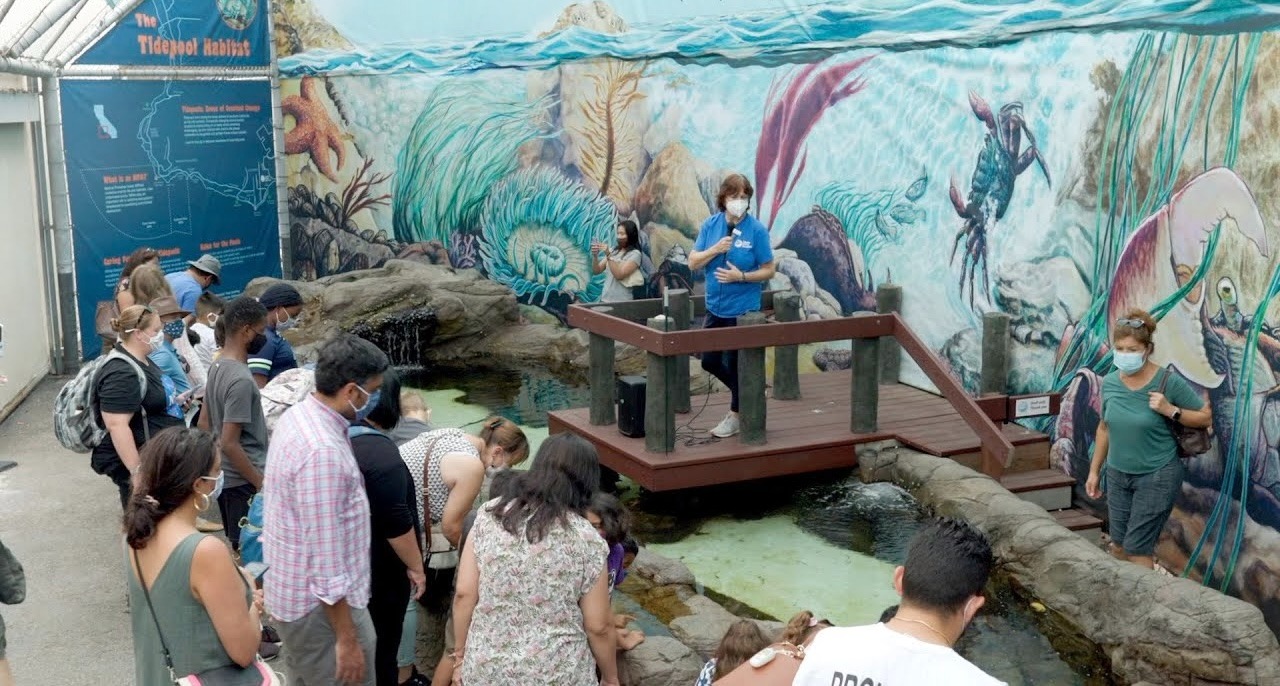
The aquarium remains deeply connected to the community through regular outreach. Key highlights include local beach cleanups, the annual Whale Fiesta, and special Earth Day celebrations. These initiatives are designed to build environmental literacy and inspire visitors to take an active role in ocean conservation. Beyond its exhibition halls, the campus features a complete scientific infrastructure, including marine labs, classrooms, a theater, and a research library, serving thousands of students and tourists annually.
Cabrillo Marine Aquarium is a testament to the power of combining science, education, and community service. What started as a modest collection in glass jars has evolved into a sophisticated scientific hub. Its growth reflects a lasting commitment to ocean literacy and the preservation of marine habitats. Today, it remains a cornerstone of Southern California’s educational landscape, shaping environmental awareness and inspiring the next generation of marine explorers.