

The history of the sewer system in Los Angeles is complex and even disturbing. It was first described by the author Anna Sklar in the corresponding book. Los-Angeles.Name shares the most important details.
Concrete sewage
The consequences of the 1914 flood were staggering and cost the city over $14 million. After that, the authorities decided to build dams. Two floods that happened in the 1930s led to the federal government’s involvement in this process.
From 1938 to 1980, an 82-kilometer concrete sewer was laid across Los Angeles. Before construction, the river sometimes dried up in the summer. After the creation of the concrete channel, this problem ceased.
The constructed concrete sewer changed the system of tributaries and floodplains and stabilized the river course. Thus, it became possible to develop those lands that were previously unsuitable for this purpose.
Since the 1990s, anti-flood works in the lower part of the river (Rio Hondo Channel and Compton Creek) have continued.
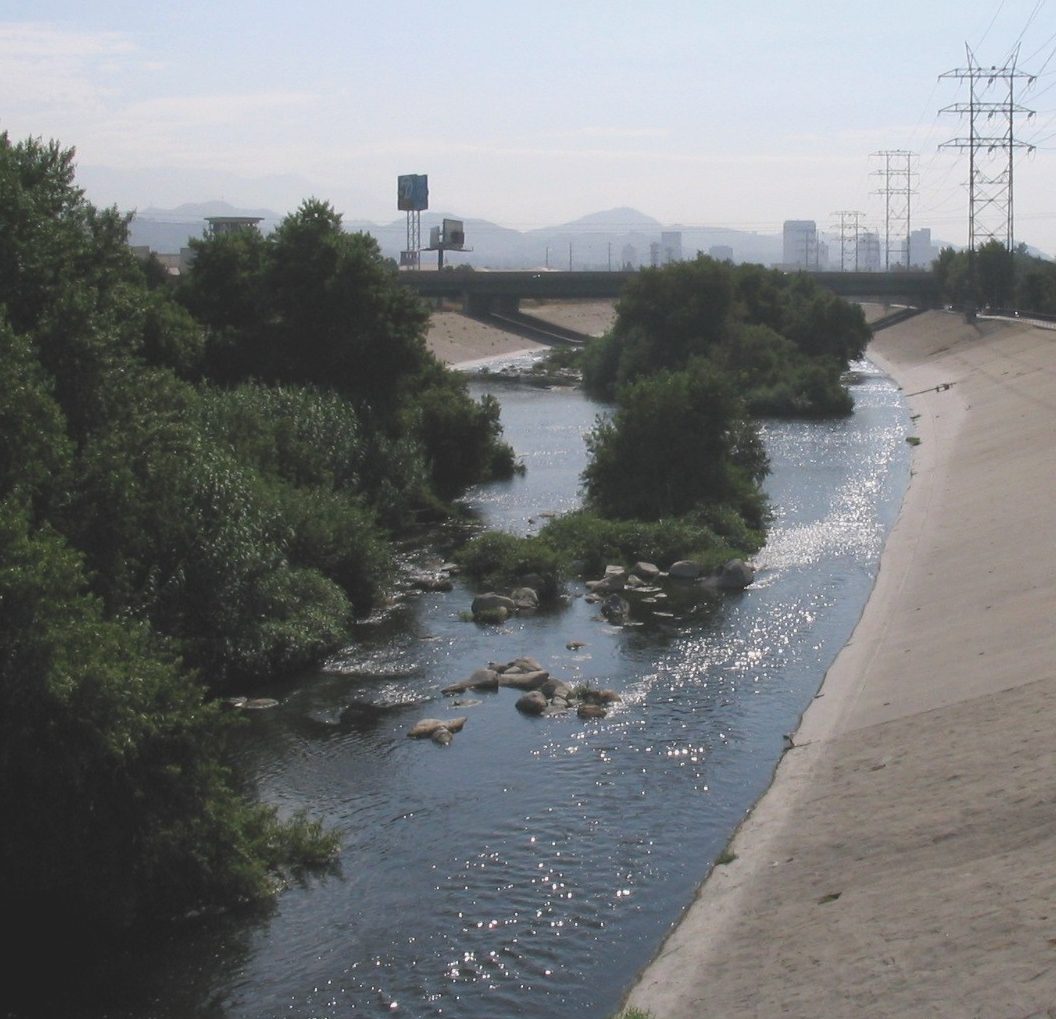
The sewage system of the city
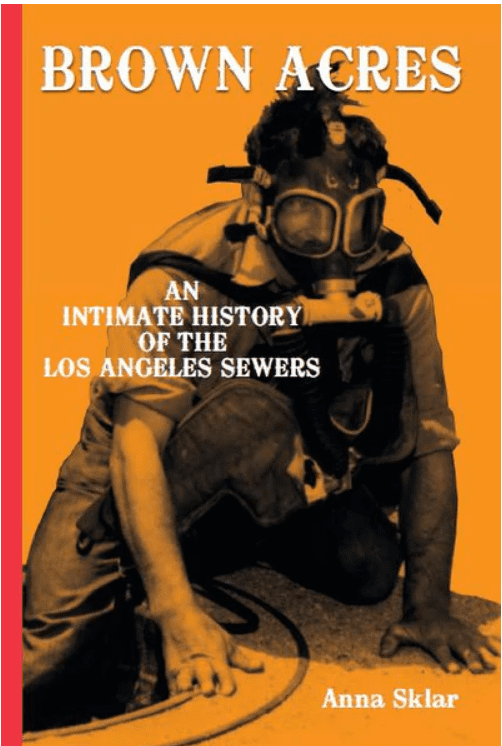
Anna Sklar tells more of the history of the city’s sewer system in her book ‘Brown Acres: An Intimate History of the Los Angeles Sewers’. The book is the first historical manuscript that provides a detailed description of the sewage system of any world-class city, including Los Angeles. The author added photos and diagrams and attached maps. Anna Sklar carefully collected information from the city archives.
The author also describes the relationship between politicians and reformers whose goal was to heal the bay after a century of pollution.
Acquaintance with this book is an interesting viewpoint on the history of Los Angeles, which helps to get its full understanding.
Challenges and history of sewage
During the construction of the sewage infrastructure, the city authorities faced many challenges and difficulties. The population continued to grow in the late 19th and early 20th centuries so it was necessary to act quickly.
Thanks to the work of Anna Sklar, many facts became known to the public. She held the position of public affairs director for the Los Angeles Department of Public Work. The release of her book coincided with the moods and experiences of locals concerned with the environmental impact of inefficient wastewater treatment.
Since 1894, the landfill near Santa Monica Bay has been storing a huge portion of the city’s waste. Activists repeatedly raised this issue but they could not achieve the desired result.

Controversies
Los Angeles promotes environmental progress but some issues cause lots of emotions and controversy in the public space. Research made by LA Sanitation & Environment showed that more than 30 billion gallons of contaminated sewage enter the Santa Monica Bay each year via the city’s 200 sewer pipes.
Once rains wash polluted runoff into the ocean, the environmental impact can be significant. Some negative consequences include:
- death of fish
- damage to the reproductive system of aquatic organisms
- absorption of plastic by marine inhabitants.
That is why representatives of many community initiatives fight to reduce the amount of polluted runoff that enters the waterways of Los Angeles.
In 2018, local residents of Los Angeles County voted to pass Act W, which would have provided municipal funds for the implementation of measures to reduce stormwater runoff. However, more funds are needed to bring the drainage systems in line with the standards and the allocated part is equal to 20% only.
The Santa Monica storm drains and beach areas are managed by the Department of Public Work. The city’s Department of Sanitation regularly monitors water quality and the county’s Department of Public Health informs residents about safe and unsuitable places for swimming.
