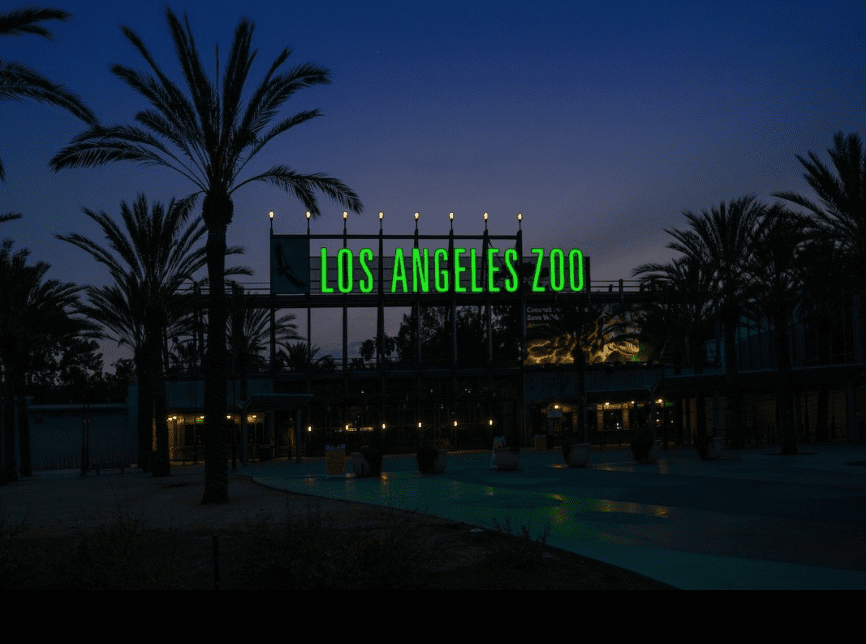
Do you enjoy wildlife? Being able to find a balance between an active urban life and nature is something Los Angeles residents may appreciate thanks to the city’s zoos and natural museums. Los Angeles Name will tell you more about the places that are home to a significant number of wild animals.
The Los Angeles Zoo
The Los Angeles Zoo and Botanical Gardens covers 54 hectares of land. It’s interesting to note that the facilities were established in 1966 and are under the supervision of the city’s municipal corporation.
This zoo is one of the best in the city, thus it needs to be highlighted. Animals and property at the zoo are well-maintained.
Denise M. Verret, the zoo’s director, is the first African-American woman to hold such a position. Also, the institution is accredited by the Association of Zoos and Aquariums.
Many animals fled from the zoo, and a significant increase in such escapes was observed in the late 1990s. There were zebras, chimps, antelopes and kangaroos among them. For example, Gorilla Evelyn attempted to flee five times but was recaptured each time. But not all of the fugitives were so fortunate. In 2014, a bighorn sheep escaped from the encloser and then the zoo, only to be hit by a car a few hours later.

History of the zoo
Eastlake Zoo first opened in 1885, followed by Griffith Park Zoo in 1912, though the second one was closed in 1966. There is very little left of the original zoo’s glory nowadays. Previously, the Los Angeles Zoo housed the Griffith Park airfield, which opened on November 28, 1966.
Already in the 1990s, the famous zoo’s infrastructure began to deteriorate, prompting the municipal government to take strong steps to address these issues. The structure almost lost its accreditation in 1995, but it was regained under the direction of a new director (Denise M. Verret).
When visiting the Los Angeles Zoo, you should surely stop by the following locations:
- The Botanical Garden (certified since 2002), where more than 800 distinct plant species are collected on the territory.
- The 0.4-hectare exhibition facility featuring chimps from the Mahale Mountains. The exhibition is spectacular since it is set on a hillside with palm trees and stones along a rock ledge.
- The Campo Gorilla Reserve (established in 2007), which covers 0.61 hectares. Interestingly, a western lowland gorilla was born on the zoo’s grounds in 2020; the species is on the verge of extinction. The observation platform offers views of palm trees and ferns.
- The exhibition complex with Asian elephants organized into different zones: Thai Pavilion, waterfall, The Elephants of China, Chinese water deer and so on.
- The LAIR, an indoor and outdoor display complex containing live amphibians, reptiles and invertebrates, opened in 2012. A main building of 560 square meters is located on the property.
- Red monkey jungle and American rainforest.
Beverly Hills children’s zoo
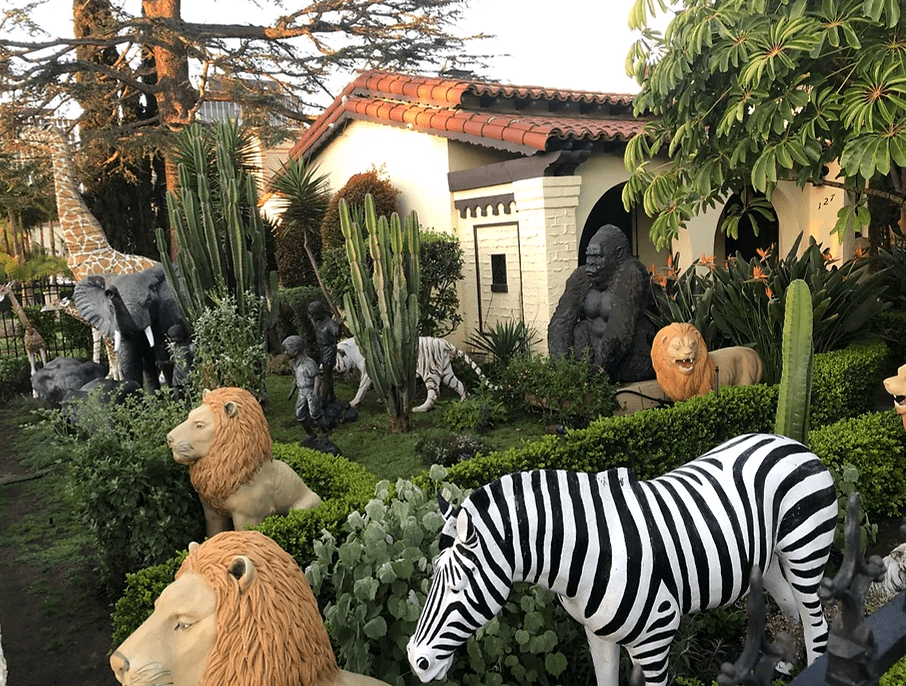
The next zoo on our list is Beverly Hills Children’s Zoo. Its front yard is decorated with animal statues. Additionally, the zoo’s private patio house itself is just minutes away from the famed Beverly Hills sign and Rodeo Drive. A little sign outside reads Beverly Hills Children’s Zoo.
It’s possible that the owner simply adores animals since this is a private property. There are numerous street parking lots nearby, and the road in this section is fairly busy. An illustration of an urban jungle would be a large giraffe monument that is perched high and overlooks the mayhem of the city.
All of this is difficult to reconcile with all that Beverly Hills is known for, namely rodeos, exhibition halls and luxury apartments. Your opinion of this place will change slightly after seeing the children’s zoo.
Wildlife Learning Center
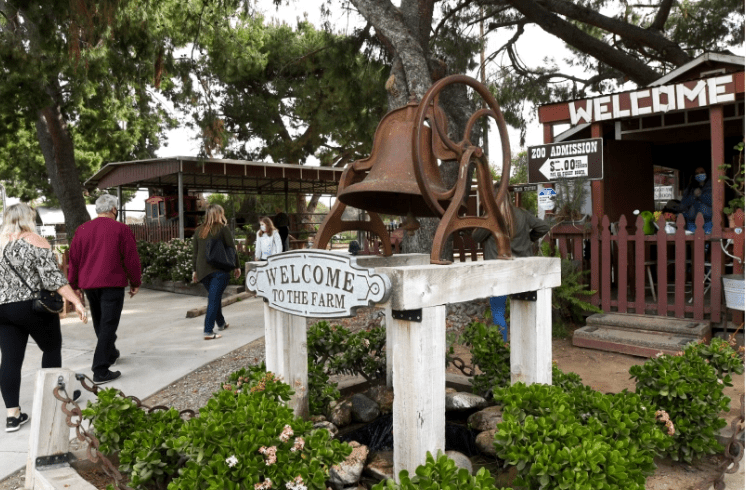
It is situated in a historic olive grove in the San Fernando Valley near Los Angeles. This type of zoological park will provide you with a truly memorable and pleasurable experience. It was established in order to provide free education and experience to everyone who is concerned in wildlife conservation.
The center provides medical care to wildlife species, and thanks to the efforts of personnel, more than 200 animals have been rescued and transported for rehabilitation. Visitors can learn more about animals from around the world.
Reception hours are from 10:00 to 17:00, and the official website advises making reservations in advance. The same goes for private excursions.
Montebello Barnyard Zoo
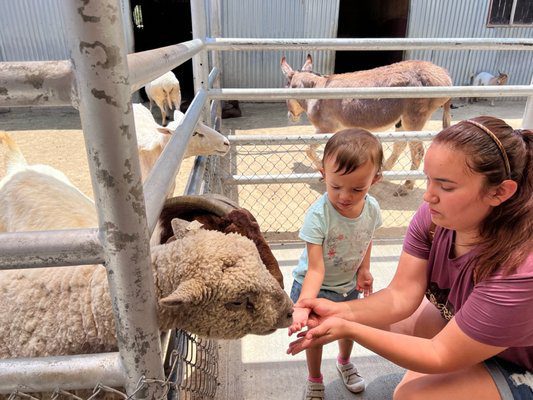
This is a pretty well-known establishment that is unique in that it allows visitors to ride horses. There is a petting zoo, a playground for children and a place for infants on the property. The zoo hosts themed birthday parties and other educational programs with the crucial purpose of drawing children’s attention to nature.
The zoo’s history began in the late 1960s when the Soroptimist Club of Montebello created it as a venue for exhibitions and animal care. From 1969 to 1989, the zoo was run by Bill Naylor, after which the city took over the management of Montebello Barnyard.
Initially, the zoo’s territory housed horses, calves, goats and sheep, but Bill Naylor eventually added a duck pond and a pigsty, as well as a septic tank to handle the waste. The annual number of visits has expanded dramatically since then, from 7 to 50 thousand attendees.
Following that, Wolovich became the zoo’s manager, and he transformed the zoo into an exciting, enjoyable place for children and adults to relax:
- pony rides were introduced
- the new manager built a train and placed an antique carousel
- themed birthday parties at the zoo were added.
City aquariums
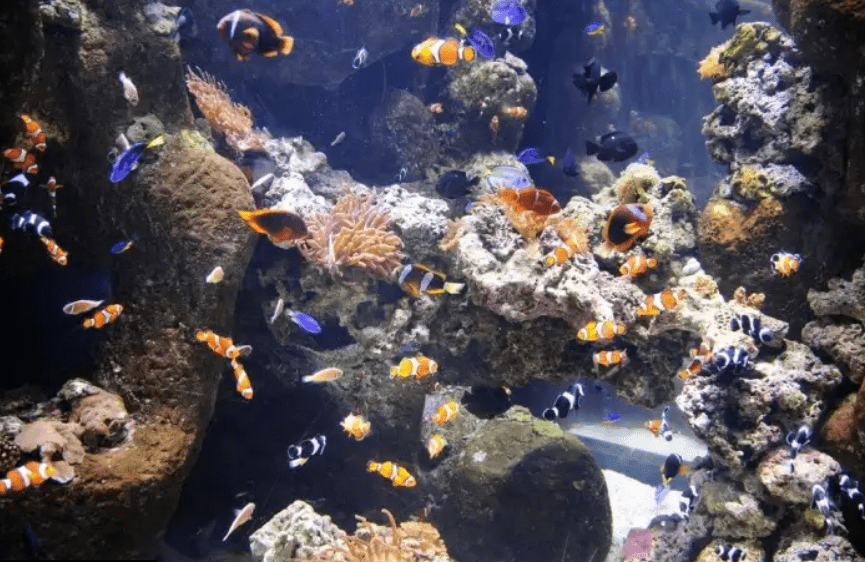
The Santa Monica Pier Aquarium is a marine aquarium that is located next to the Pacific Ocean. It was established in 2003 and is maintained and sponsored by the non-profit organization, Heal the Bay. The aquarium was once known as the Ocean Discovery Center. On the premises, you can observe the Aquarium’s operations and participate in research tours or excursions. Whatever you choose, it will raise your awareness about the conservation of marine life.
Aquarium City in Canoga Park, which was built to protect tropical fish and other marine species. The aquarium’s excursions and presentations are an intriguing aspect of its operations. Visitors here are able to enjoy the diversity of the world’s wild animals and aquatic creatures.
The Blue Zoo Aquarium is one of the most well-known in Los Angeles. It is home to an amazing array of aquatic species. The Blue Zoo Aquarium, located amid Hollywood’s metropolitan surroundings, is a wonderful representation of what marine life might be like.
Griffith Park Zoo
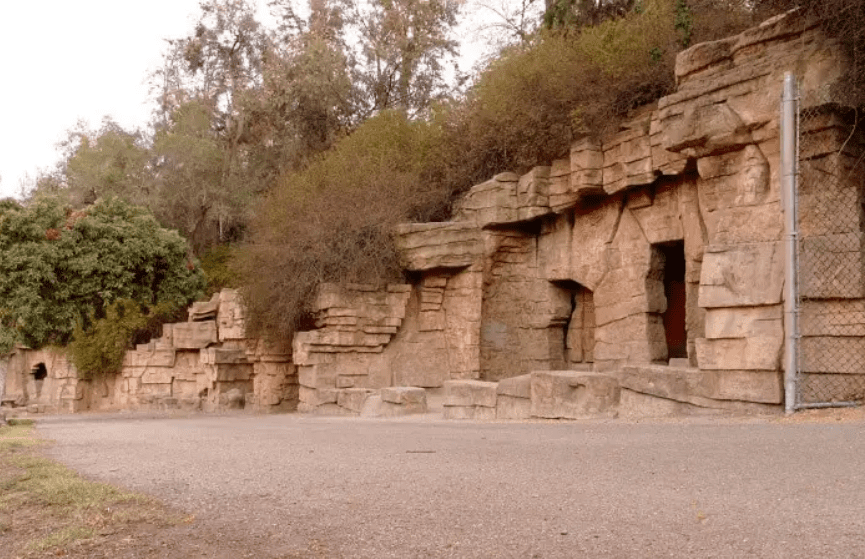
This is the well-known historic Los Angeles Zoo, which opened in 1912 and closed its doors in 1966. The zoo site has been abandoned, although animal enclosure remnants can still be found. This area is used by modern inhabitants for picnics and walks, and there are even benches and tables for park visitors on the property.
Symbolically, but it is the forgotten former city zoo that will complete our list. Whatever location you choose, this is an excellent opportunity to immerse yourself in a different atmosphere, get away from city life and enjoy nature and its representatives. Of course, supplementing this list is essential, as is exploring the city’s zoos with a company, which is extremely enjoyable.