

Interestingly, such collections are particularly popular on the eve of Halloween and not only. Ghost towns continue to draw not only tourists but also local residents. Those who believe in ghosts are particularly fond of such locations and the myths that surround them. The most terrifying and eerie stories are about mining villages in Western America. It was there that greed and the drive to become wealthy as rapidly as possible led to violence and chaos. Find out more about ghost towns at Лос-Анджелес Name.
The ghost town of Skidoo
It is located near the Emigration Canyon in the Panamint mountain range. This is a historic ghost town from the times of the California Gold Rush, which can be found in Death Valley. When you arrive in this city, you will see the following:
- more than 1,000 abandoned mines
- remnants of iron machines
- abandoned wooden houses
- old rusty cars
- other stuff used in the mining industry.
The only remaining structure is a Skidoo mill. Its function is to extract gold from ore.
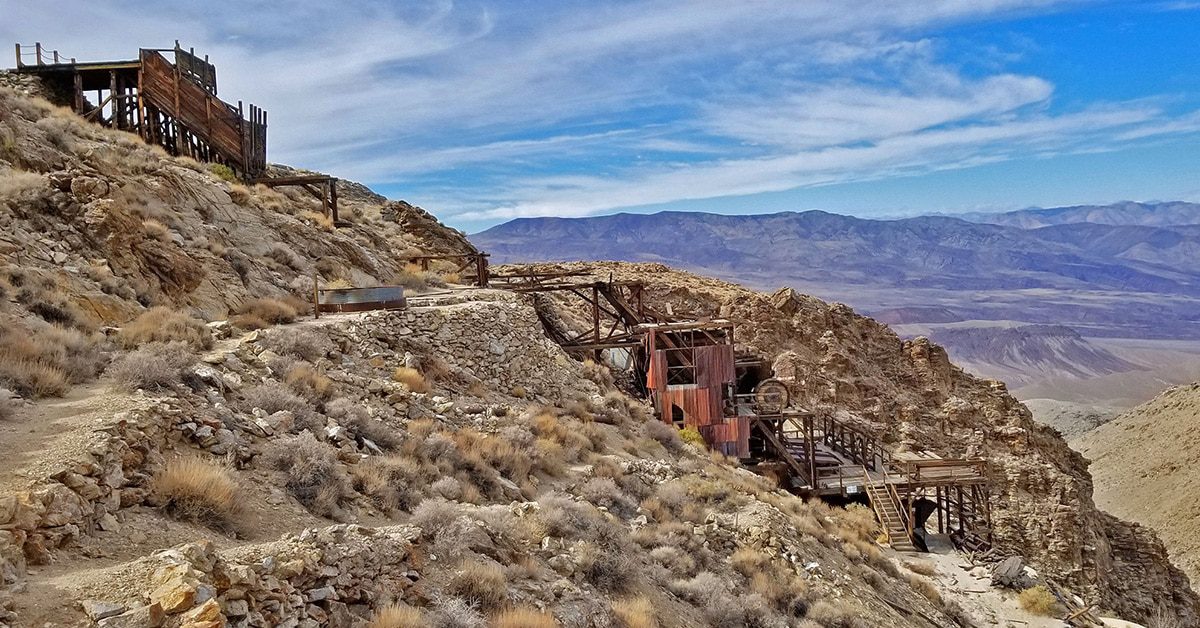
Energy of Skidoo
Once in this ghost town, you can feel a specific energy. People flocked to this city en masse in the hope of becoming wealthy. Every abandoned hut represents someone’s unfulfilled dream, hard work and life in the desert sun. The area above Death Valley is one of the hottest places on the planet.
Coming to this city, you discover how unusual Skidoo Ghost Town & Mill is, with its atmosphere well hidden in the mountains above Death Valley.
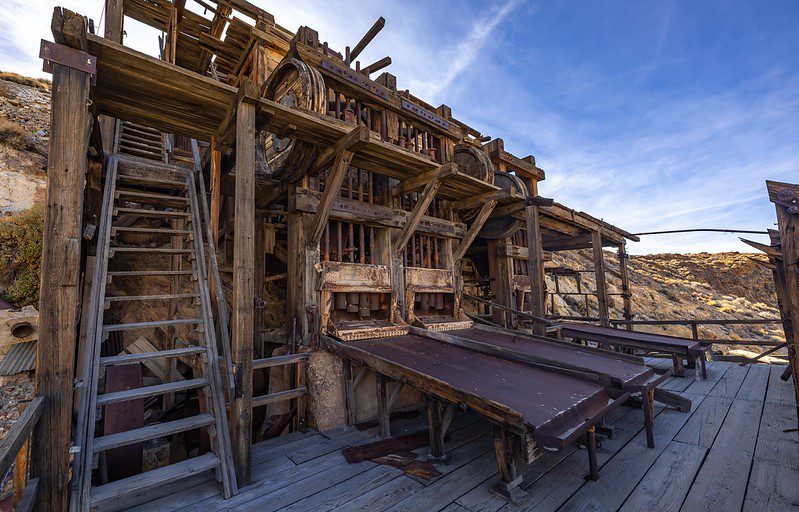
Ghost towns in Death Valley
- Ballarat. This city became well-known for its thriving gold mining industry. The ghost town’s past is maintained through memorials. Surprisingly, the structures are mainly intact, albeit there are some ruins.
- Another California ghost town has gained notoriety for its illusory reputation. We’re referring to Chloride City. Due to the Bullfrog strike, many citizens were forced to leave the territory to make their demands. A year later, the natives left without explaining anything to anyone.
- The city of Greenwater was founded following the opening of the copper mines. The population peaked at almost 2,000 people at the peak of its development. By 1909, mining was in decline, people were not making a profit and they left their homes.
- Harrisburg. In 1905, two men discovered gold in this city, attracting the attention of others. Harrisburg became a ghost town when disillusioned residents left.
- Panamint City. The inhabitants settled in this city during the Gold Rush. As the city became more civilized, stores and churches started to spring up. However, all of this came to an end in 1875 when a flood devastated most of the city. The ruins serve as a memory of days of prosperity.
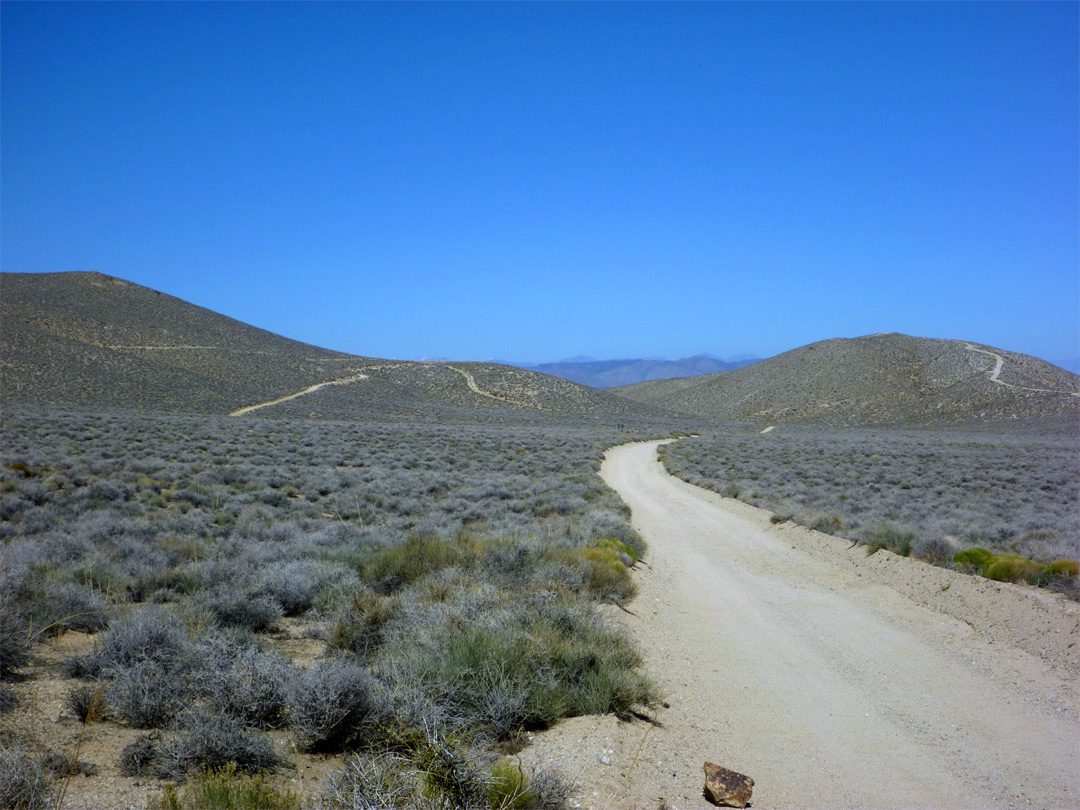
California City
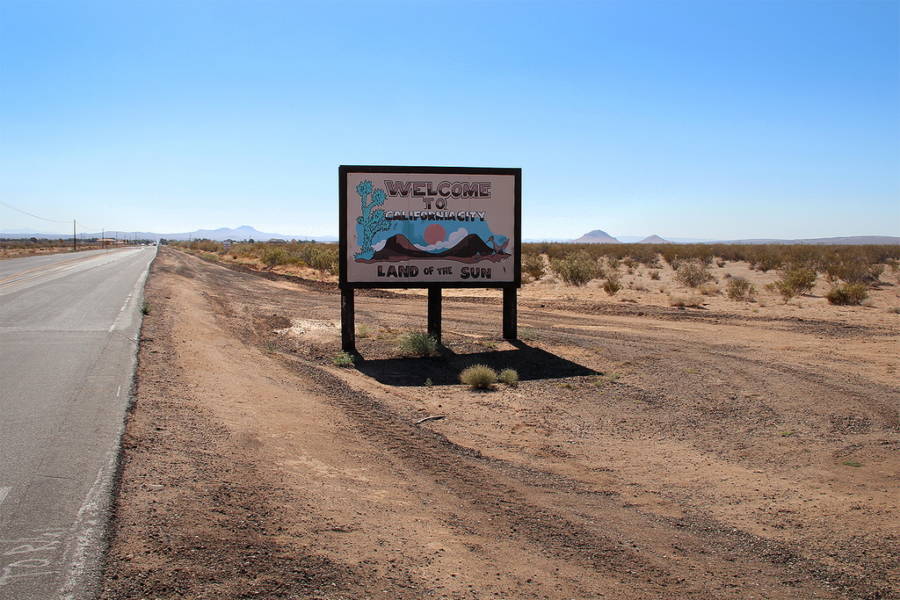
This is an interesting and at the same time sad story of the largest unfinished complex. This is the story of thousands of people who were deceived and left homeless. Entering the city, you can notice the sign “Land of the Sun”. This ghost town is located southwest of Death Valley, in the desert of Kern County, California.
It’s difficult to maintain your composure when observing houses with no residents, deserted streets and undeveloped plots. This is what California City looks like.
The 1950s saw the start of construction, which was accompanied by enormous expectations. The new metropolis was intended to be large enough to compete with Los Angeles in both size and population. However, due to a development backlog, an unfriendly climate and developer disillusionment, these goals remained unfulfilled.
By 1980, the city had more than ten thousand sections and hundreds of dead ends. Although geographically, California City is the third largest city in the state.
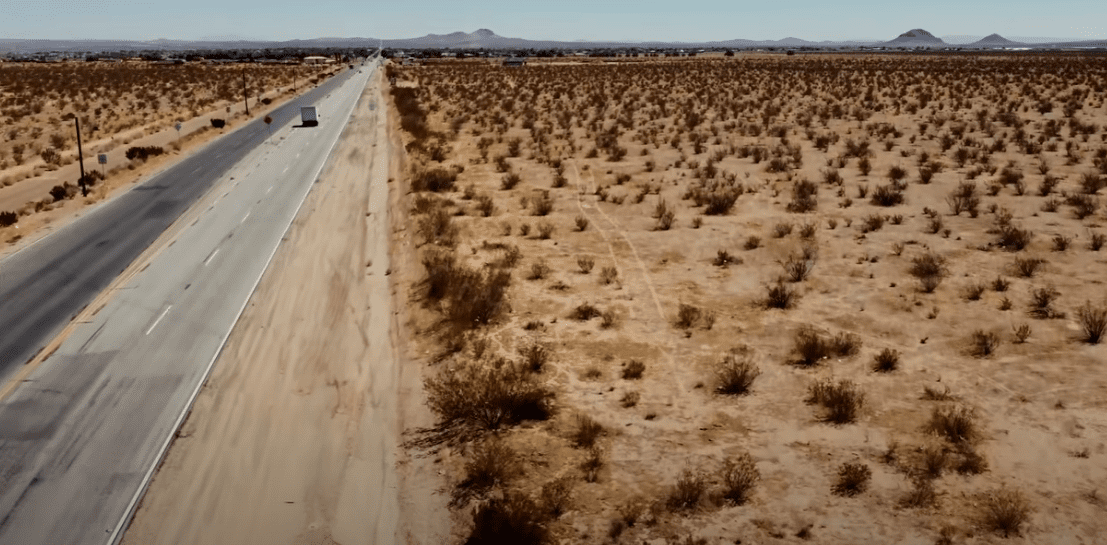
History of California City
There were enormous expectations for this city. In fact, after the end of the war, California saw a thriving economy, rapid population growth and, accordingly, a significant increase in housing prices.
When soldiers from the war came home, they needed a place to reside. Furthermore, mass immigration from Mexico during this time period intensified the general housing scarcity.
Investing in real estate was the best solution. So, Nathan Mendelsohn, a sociology professor, purchased 82,000 acres of vacant land in the Mojave Desert. His family emigrated from Czechoslovakia in the 1920s. Following his sociological schooling, he began utilizing his knowledge as a government analyst during World War II. He studied farm profitability. One of his ideas was to build a small town called Arlanza Village. He revived an abandoned military-industrial complex, converting it into a factory. This, in turn, provided employment opportunities. Arlanza Village is a cooperative venture with investors and some stakeholders. Mendelsohn envisioned a project in which he would have complete authority.
Nathan Mendelsohn’s dream city
In 1956, Mendelsohn utilized almost all of the money from earlier land deals to purchase an extensive area of land. At first glance, it appears to be a good investment. Water was available in the area thanks to eleven productive wells that never ran dry.
By 1958, Mendelsohn had designed a plot centered around an artificial lake, several parks and an information campaign. Potential house buyers received thousands of pamphlets. At the same time, the teams were clearing the shrubs and constructing a road. Mendelsohn completed a large-scale project, signs were put and contracts with realtors were signed.
He expected people to start buying up land en masse, but that didn’t happen. Everything was too far away from California City. Only a few dozen of families decided to relocate, but this was such a small proportion that it was insufficient.
The city established its first post office in 1960, and later California city got a zip code. The population almost reached the mark of 1000 people. The city had its own police and fire department. In 1969, the population surpassed 1,300 for the first time.
Despite this, Mendelsohn sold a controlling stake to the consortium. He was simply tired of spending money on barren desert plots. He rarely discussed California City after this decision since it was one of his major failures.
Why did the city turn into a ghost town?
Interestingly, the city continued to exist, even though the owner abandoned the idea. According to the census, California City had 1,309 residents in 1970 and the number had more than doubled by 1980. In 1990, this area was home to nearly 6,000 individuals. Therefore, it might seem that Mendelsohn’s dream could have come true after all. By 2020, the number of citizens had reached 15,000, though the figures were no longer increasing. The majority of the locals were employed in a correctional facility.
The issue was that well water started to run out, and state water coupons grew more expensive. Furthermore, the maximum temperature in this city in the summer reached +54 degrees. Sandstorms, which can flatten dwellings to the ground, were commonplace.
The ghost town was later repurposed for the yearly Wasteland Weekend celebration. Despite the fact that the city has long been a wasteland with sparsely populated sections, California’s government believes that there is a potential to change this.