

Laurel Canyon is an area with a complex and fascinating history. This mountainous district in the Hollywood Hills is centered around its main thoroughfare. Let’s delve into the early and modern history of the canyon. More details on los-angeles.name.
A Brief Historical Overview
- The Laurel Canyon area was initially inhabited by the indigenous people of California—the Tongva. They lived here for thousands of years, relying on the canyon’s spring-fed creek for water. In the late 18th and early 19th centuries, the reliable water supply began to attract colonial Spanish ranchers, who started grazing sheep on the canyon’s slopes. By 1850, Americans began settling the area, also interested in securing water rights.
- Transit through the canyon was done on foot or by mule, but in 1907, a graded dirt road was built. It stretched 82 miles (132 kilometers), later named Laurel Canyon Boulevard. Today, this is a major street in Los Angeles.
- In 1908, the Lookout Mountain Park and Water Co. was formed. The company purchased 272 acres (110 ha) on Lookout Mountain, west of Laurel Canyon. The land was subdivided and sold as real estate for mountain recreation. The company later extended the dirt road to the summit of Lookout Mountain, building a hotel there.
- In 1910, a trackless trolley bus line was built. The initiative came from developer Charles Mann and electrical engineer Richard Shoemaker. Passenger service began on September 11. This was essentially the first commercial trackless trolley in the U.S., though it ceased operation in 1924.
- On October 26, 1918, a major fire occurred, exacerbated by strong Santa Ana winds. These winds are sometimes called the “devil winds” due to their nature. They are strong, dry, downslope winds that affect coastal Southern and northern Baja California. The fire burned approximately 200 acres of land, completely destroying the hotel, and in July 1959, another large fire occurred, destroying an additional 38 homes.
- Laurel Canyon was a hotbed of countercultural activity in the mid-1960s and early 1970s.
You can hear more about the brief history of Laurel Canyon, a key route in Los Angeles, here. The speaker begins the story with the indigenous Tongva people and concludes with the countercultural revolutionaries of the 60s and the modern history.
Research and Development
The Laurel Canyon area of Los Angeles has been studied by Rick Seayrini, a graduate of the Department of Architecture and Urban Planning at the University of Washington. Rick Seayrini and his wife and two children live in the area, making the information he provides valuable and insightful.
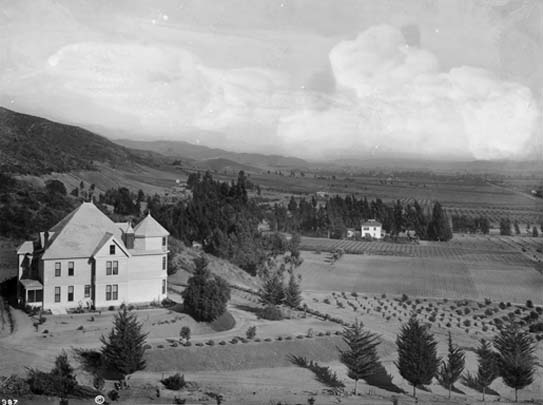
In 1909, the Los Angeles Examiner noted that Laurel Canyon was rapidly growing and becoming popular. The number of visitors was also constantly increasing. From dawn till sunset, tourists and locals walked along the road, heading towards Lookout Mountain. In the early 1900s, the Lookout Mountain Inn hotel was also located here, but it burned down a few years after construction. In 1902, public transport ran from downtown to Santa Monica, stopping right at the foot of Laurel Canyon.
At the base of Laurel Canyon was the Harpers’ estate. It belonged to Colonel Harper, a beneficiary of the Yankee conquest of New Spain. Other typical mountain cottages were located on the slopes. Numerous terraces led from these homes down to the small creek below. One of the most elegant was considered to be Supervisor Eldridge’s house. It was built snugly against the mountainside, with a facade consisting of a series of terraces.
As Rick Seayrini noted, much of the natural environment has been lost. In his 1998 book, Ecology of Fear: Los Angeles and the Imagination of Disaster, Mike Davis argued that the county government in Southern California was hopelessly captive to the land development industry. In his opinion, large-scale electoral reforms were a prerequisite for overthrowing the “new octopus” and changing priorities in land use.
The Music Scene
It’s interesting to know how the music scene is connected to Laurel Canyon. The remote, rugged nature and its proximity to Hollywood film studios made this area an ideal home for many film stars and celebrities. In the 1960s, the area became a local hub for counterculture, as prominent musicians moved to Laurel Canyon for musical collaboration.
Notable figures include Joni Mitchell, Neil Young, David Crosby, Stephen Stills, Graham Nash, Chris Hillman, Roger McGuinn, J.D. Souther, Judee Sill, and many others.
Criminal Activity
Raymond Chandler’s first novel, The Big Sleep (1939), and The Long Goodbye (1953) feature private detective Philip Marlowe living in the canyon area. Reading these novels provides a glimpse into the darker events that occurred in Laurel Canyon.
In the late 1970s, criminal activity centered around drug distribution and was controlled by the Wonderland Gang, named after a street in Laurel Canyon. Since then, the area has been associated with criminal activity, and in 1981, a quadruple murder occurred (known as the “four on the floor murders” or the “Wonderland Murders”). Paradoxically, this happened right on the street near the home of Jerry Brown, who was the Governor of California at the time.
Flora and Fauna
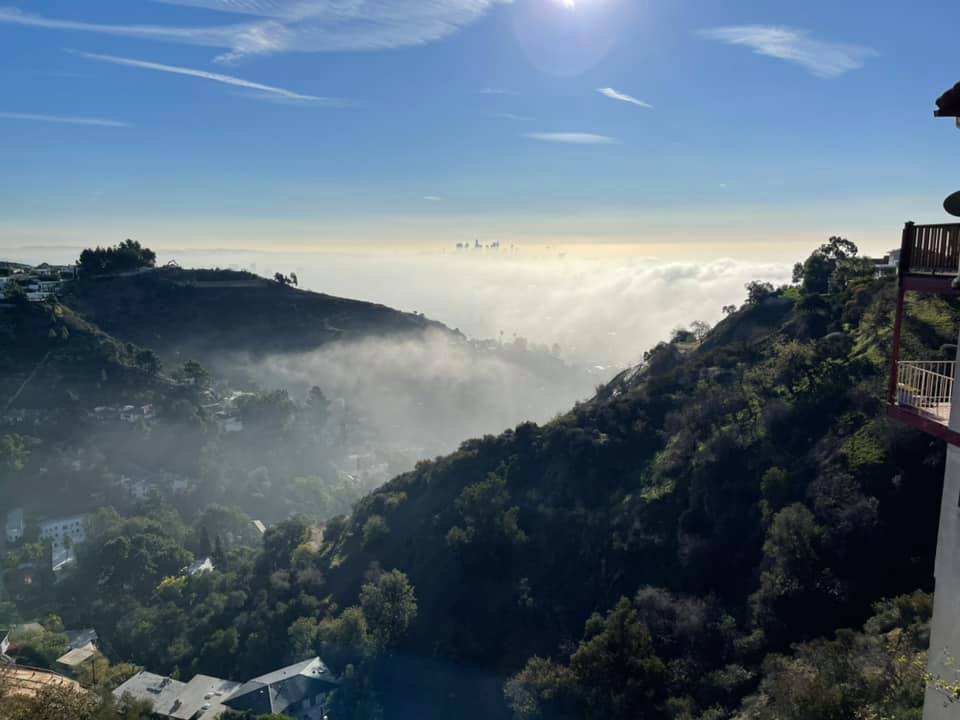
The greatest threat to Laurel Canyon comes from development and fencing. The area’s vegetation reflects the conditions of both moist coastal mountains and dry valley slopes. You can find California bay laurel and coast live oak (in the oak family) in Laurel Canyon. Over 100 species of eucalyptus grow in California, sometimes called the “biggest weeds in the U.S.” Eucs that bloom in winter attract insects and insectivorous birds. They are unstable with shallow root systems, making them prone to toppling in strong winds. They can damage homes, utilities, and cars, so Eucs are recommended for removal.
Laurel Canyon is known for its wildlife; in 2017, cameras recorded one adult mountain lion. Snakes and lizards are also found here. The Pacific rattlesnake is the only venomous snake in California and can be found in Laurel Canyon. Various species of frogs, newts, and salamanders also live here.
Laurel Canyon Association
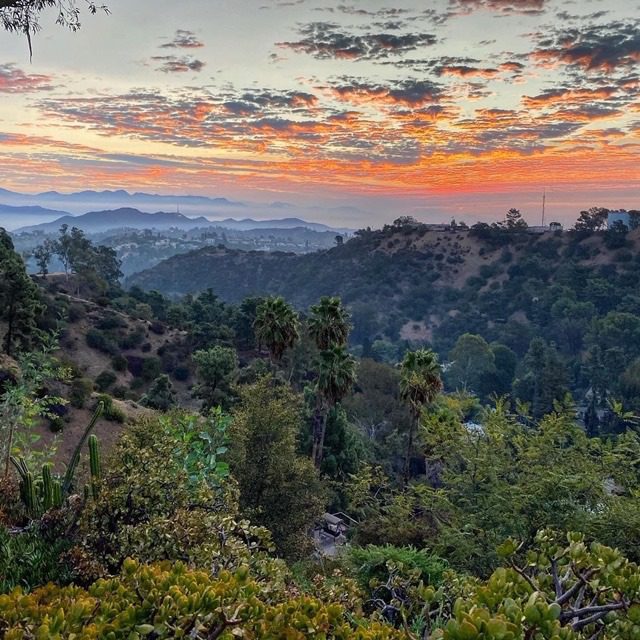
This is a 501(c)(4) nonprofit residents’ association, whose primary mission is to protect the quality of life and environment in Laurel Canyon. It is the oldest association in the area, founded in 1930. The Laurel Canyon Association works closely with the Laurel Canyon Land Trust to acquire open space in the canyon. You can find more details about the initiatives implemented by the Laurel Canyon Land Trust on the organization’s website. The organization relies on membership fees, social projects, and volunteer work. The non-profit’s board consists of 11 elected board members who serve various committee duties.
In summary, Laurel Canyon in Los Angeles combines natural beauty, rich cultural heritage, and a unique atmosphere. This place impresses with its picturesque landscapes, mountain slopes, dense vegetation, and wildlife. Laurel Canyon is a prestigious neighborhood that attracts those who value tranquility and nature.