

Heal the Bay is one of the most prominent environmental organizations in the United States, dedicated to protecting the coastal waters and watersheds of Southern California. What began as a grassroots initiative by concerned citizens has evolved into a powerful force in environmental policy, scientific research, and public education. The organization’s core efforts are focused on Santa Monica Bay — one of the most popular coastal areas in the U.S., which faces significant environmental challenges. Read more on los-angeles.name.
The Founding Story
Heal the Bay was founded in 1985 by a group of activists led by Dorothy Green. The catalyst for the organization’s creation was growing alarm over water pollution directly impacting public health. The initiative quickly grew into a systemic movement aimed at cleaning up water resources and protecting the environment.
A crucial milestone in Heal the Bay’s development was earning “friend-of-the-court” status in 1987 in a major lawsuit involving ocean pollution. Following the settlement between the City of Los Angeles and the U.S. Environmental Protection Agency (EPA), the organization gained the authority to monitor compliance with new environmental standards. This marked one of the first times a non-governmental organization acquired real leverage to oversee the enforcement of state environmental policy, significantly bolstering its influence in the region.
By the late 2000s, Heal the Bay had substantially expanded its operations. In 2008, the organization boasted around 15,000 members. It had transformed into one of the most influential environmental groups in Los Angeles, seamlessly blending expert analysis with massive grassroots campaigns.
Leadership and Vision
Over the years, the organization has solidified its standing, becoming a vital voice in California’s environmental policy. It has been guided by leaders like Mark Gold, and since 2017, Shelley Luce has been at the helm. More recently, the current leadership, headed by Tracy Quinn, has played a pivotal role in the organization’s growth. Quinn assumed the role of CEO in 2022. Prior to joining Heal the Bay, she worked at the Natural Resources Defense Council and brings extensive experience in environmental engineering. The executive team, which oversees financial and strategic operations, also plays a crucial role in ensuring the sustainable implementation of the organization’s projects.
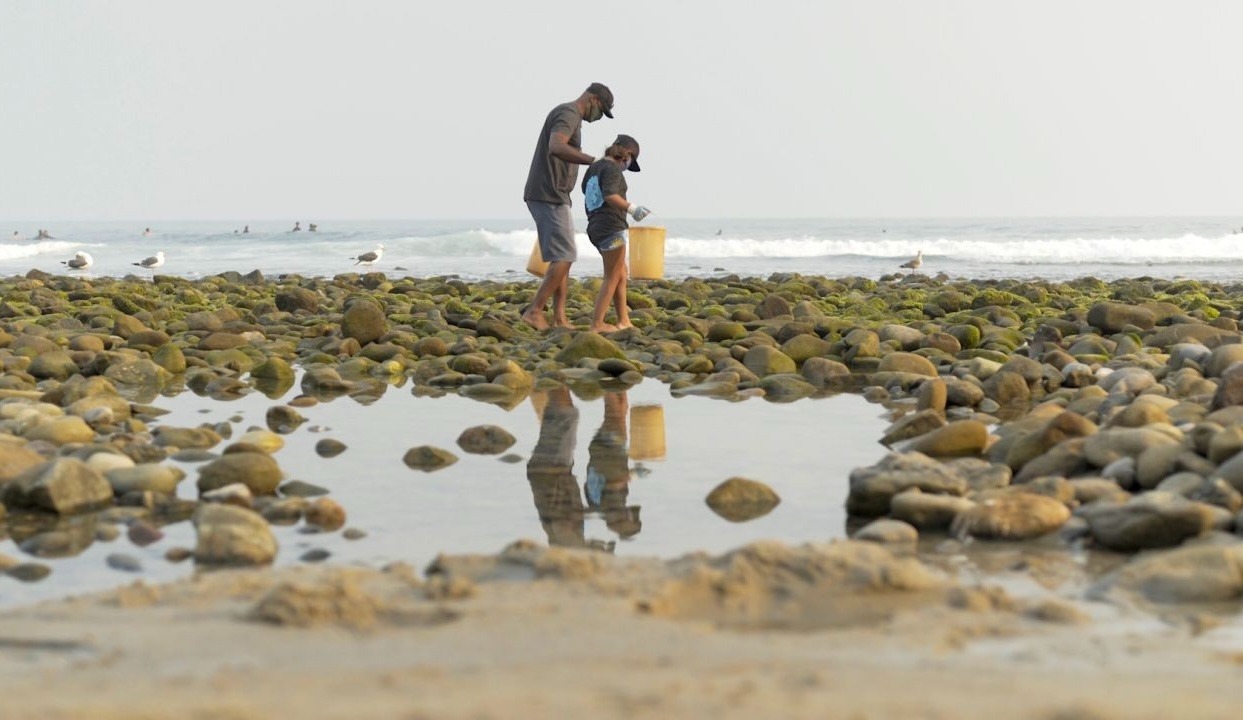
Heal the Bay’s ultimate goal is to make Southern California’s coastal waters safe, clean, and healthy. The organization operates across several key areas: scientific research, public education, volunteer initiatives, and advocacy for environmental reform. A critical element of its work is the intersection of science and civic engagement. Heal the Bay leverages scientific data to influence public policy while simultaneously mobilizing thousands of volunteers for hands-on action, from beach cleanups to educational campaigns.
Heal the Bay receives backing from a diverse array of foundations, corporations, and philanthropic organizations. These include environmental, cultural, and educational institutions that fund water cleanup programs, educational initiatives, and scientific research. Such partnerships enable the organization to execute large-scale projects, including ocean monitoring, educational programs, and advocacy campaigns.
Educational Outreach
The organization actively runs educational initiatives designed to raise environmental awareness. It participates in implementing curricula for California schools, helping students understand the critical importance of environmental conservation.
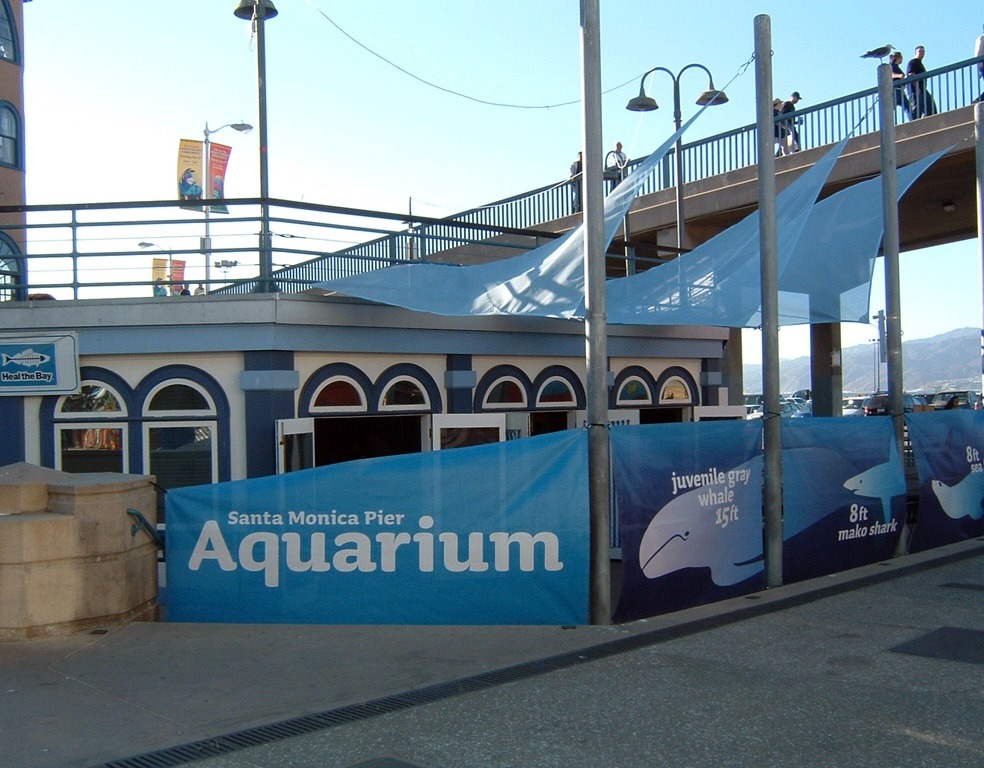
A standout feature is the aquarium located on the Santa Monica Pier. Known as the Heal the Bay Aquarium, this educational space allows visitors to learn about marine life and grasp the urgent need for its protection. It draws tens of thousands of visitors every year.
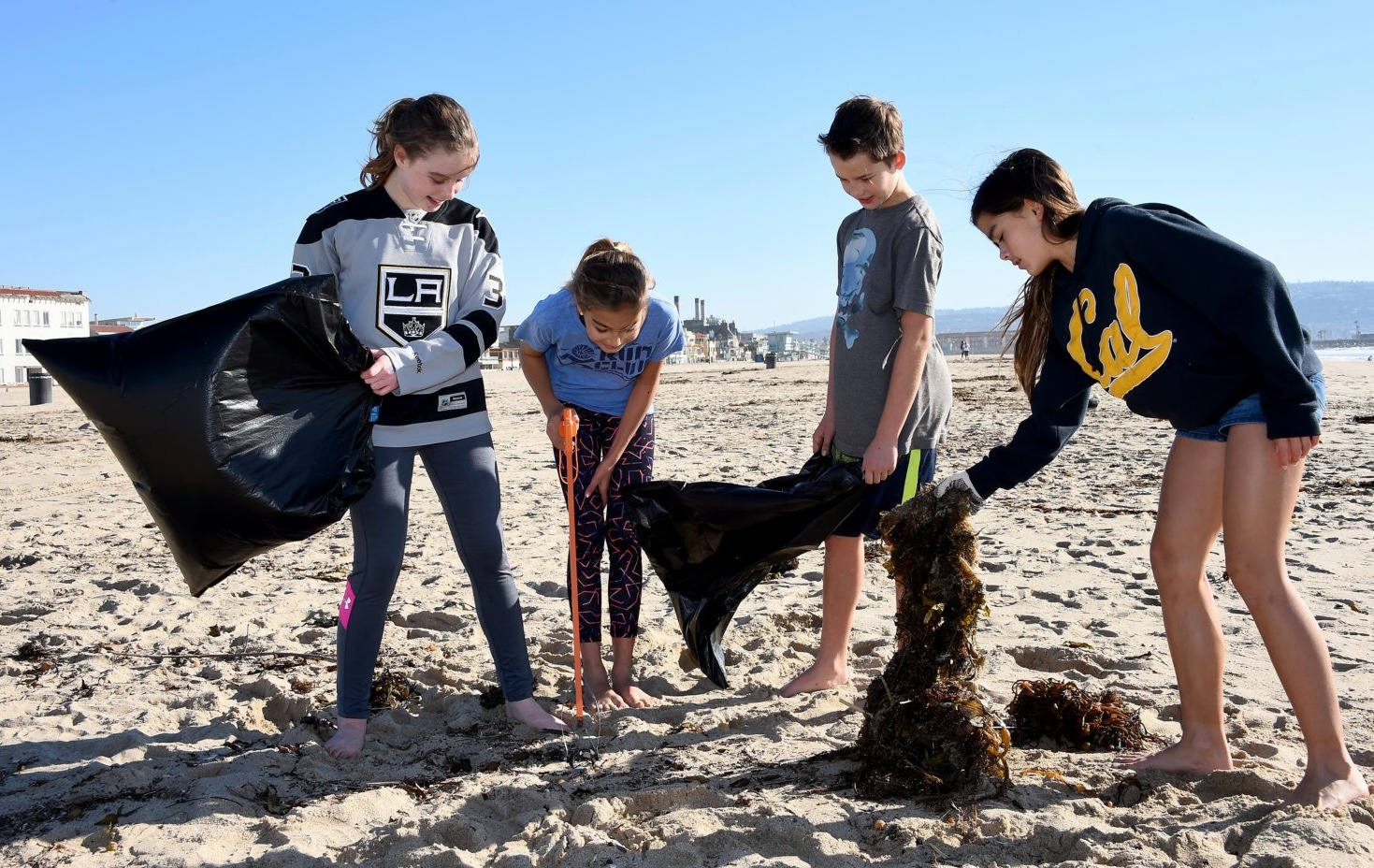
One of Heal the Bay’s signature programs is its regular beach cleanups. Initiatives like Coastal Cleanup Day and Nothin’ But Sand are highly popular. Each year, thousands of people join forces to clean the coastline, collecting tens of thousands of pounds of trash. In a single year alone, volunteers can dedicate tens of thousands of hours to environmental action, underscoring the massive scale of community involvement.
Scientific Research and Advocacy
Heal the Bay is renowned for its analytical reports, most notably the annual Beach Report Card, which grades water quality at beaches along the U.S. West Coast. The grading is based on bacterial pollution levels, empowering residents and tourists to choose safe spots for recreation. This tool has become an essential component of public environmental oversight.
The organization has also been instrumental in advancing environmental legislation, driving several critical initiatives aimed at reducing plastic waste and protecting water resources. In 2015, Heal the Bay, alongside other environmental groups, fiercely opposed an oil drilling project near Hermosa Beach. The campaign united multiple environmental organizations and successfully halted the project, which posed a severe threat to the marine ecosystem. In 2016, it championed the passage of California Proposition 67, which enacted a statewide ban on single-use plastic bags — a monumental step in the fight against ocean plastic pollution. In 2018, the organization played a leading role in promoting Measure W in Los Angeles County, a program to modernize the stormwater system and reduce water pollution. Heal the Bay consistently engages scientists and volunteers to collect water quality data following storms, tracking the impact of urban runoff on the Los Angeles coastline.
In 2019, Heal the Bay spearheaded a local ordinance restricting the use of plastic straws in restaurants. In 2024, Heal the Bay and its partners filed a lawsuit against ExxonMobil, accusing the company of deceiving the public regarding the recyclability of plastic. The lawsuit is part of a broader legal campaign against major oil corporations, which environmentalists argue have manipulated public opinion on plastic consumption.

In today’s landscape, Heal the Bay actively responds to emerging environmental threats, such as ocean plastic pollution and the fallout from the COVID-19 pandemic. The organization drew attention to the issue of single-use protective gear flooding into the ocean. Furthermore, Heal the Bay is involved in programs ensuring clean drinking water and supports climate change adaptation initiatives.
As one of the largest environmental non-profits in Los Angeles, Heal the Bay unites tens of thousands of volunteers and members. Its work has a tangible impact on the environment, evidenced by the improved water quality in the region. The organization proves how combining science, activism, and education can drive real change, serving as a model for other environmental movements worldwide. At a time when environmental challenges are becoming increasingly acute, Heal the Bay’s experience offers a vital blueprint for crafting effective environmental protection strategies. Thanks to the organization’s decades of dedication, the health of Southern California’s coastal waters has significantly improved, and the region’s environmental policy has become more systematic and science-driven.