

While Los Angeles is often associated with the film industry and urban development, the city is also a vital hub for environmental science and conservation. Amidst rapid urbanization, powerful initiatives have emerged here, dedicated to preserving Southern California’s unique natural ecosystems. Friends of Ballona Wetlands stands out among them—an organization that has spent over four decades fighting to save the last tidal wetland ecosystem in Los Angeles County. Read more on los-angeles.name.
The Fight to Save an Ecosystem
Before the heavy development of the 20th century, the Ballona Wetlands were a crucial part of Southern California’s coastal ecosystem. However, residential and commercial projects drastically reduced their size. By the late 1970s, much of the area had either been lost or was under severe threat of destruction.
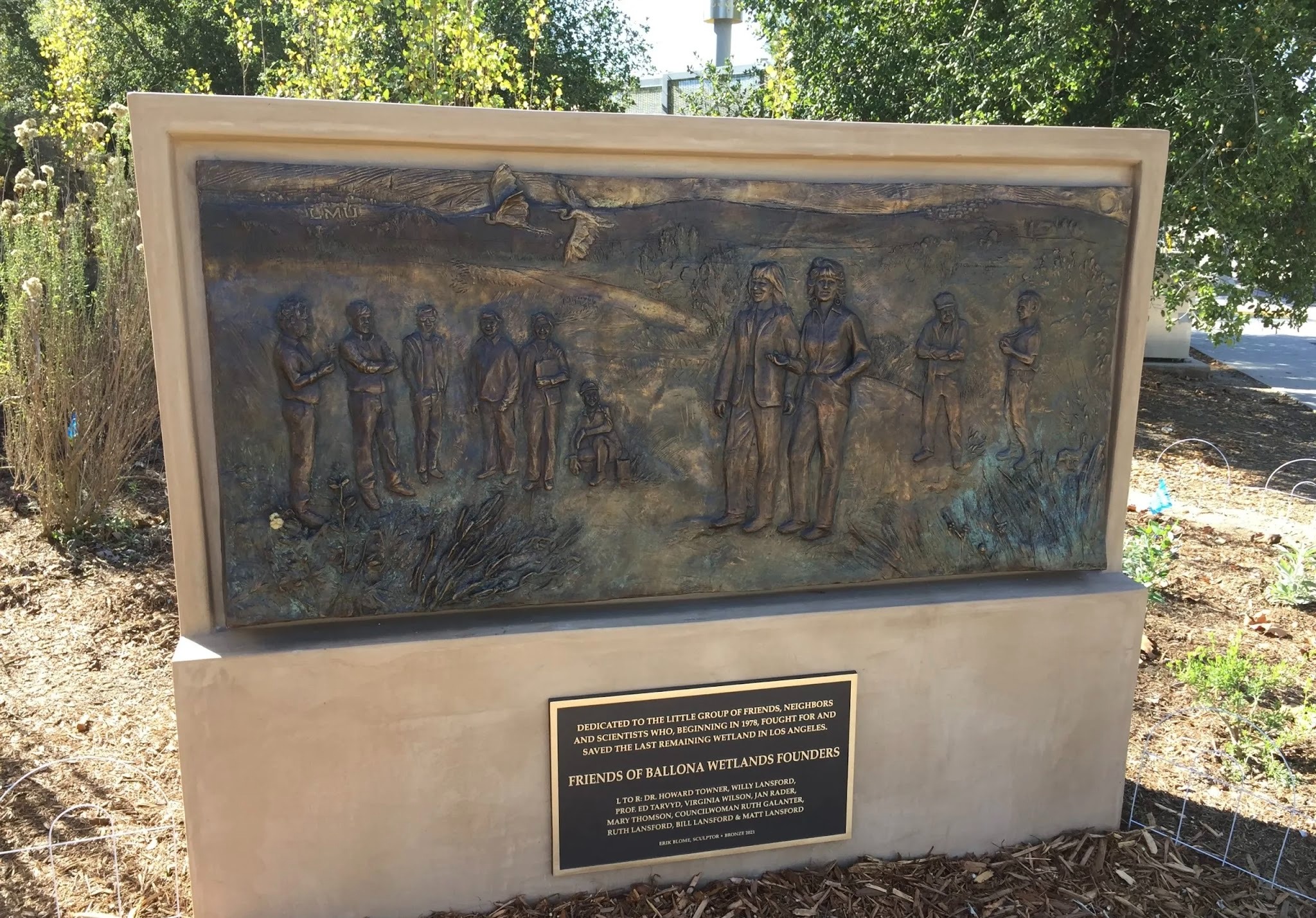
Friends of Ballona Wetlands was founded in 1978 by a small group of scientists, locals, and activists who recognized the environmental value of the Ballona Wetlands. Under the leadership of founder Ruth Lansford, the organization immediately stepped up to protect the area. In 1978, they filed a lawsuit against the Summa Corporation, which represented the heirs of Howard Hughes and planned a massive development on over a thousand acres of wetlands. A major breakthrough came in 1990: a legal settlement preserved 340 acres of wetlands, secured funding for conservation initiatives, and laid the groundwork for creating a freshwater marsh and an educational center.
To understand the scale of the threat, consider that in the 1960s alone, over 900 acres of natural habitat were destroyed during the construction of Marina del Rey. The activists’ lawsuit effectively halted the destruction of the area and launched the fight for its preservation. These efforts culminated in a 2005 decision when the Ballona Wetlands were designated as a California State Ecological Reserve. Earlier, in 2003, the California Department of Fish and Wildlife purchased the land, making it accessible to the public.
The Organization’s Achievements
One of the most significant achievements was the creation of the Ballona Freshwater Marsh, a 51-acre freshwater ecosystem. Once a dry, weed-choked field, it was transformed into a rich habitat for rare species through the collaboration of activists, scientists, and developers. The project was guided by clear principles: the new habitat had to be ecologically superior to the previous one, maintained in perpetuity, and aligned with the overall strategy for restoring salt marsh ecosystems. The marsh was created without public funds, and its maintenance is supported by a special fund with the involvement of local residents.
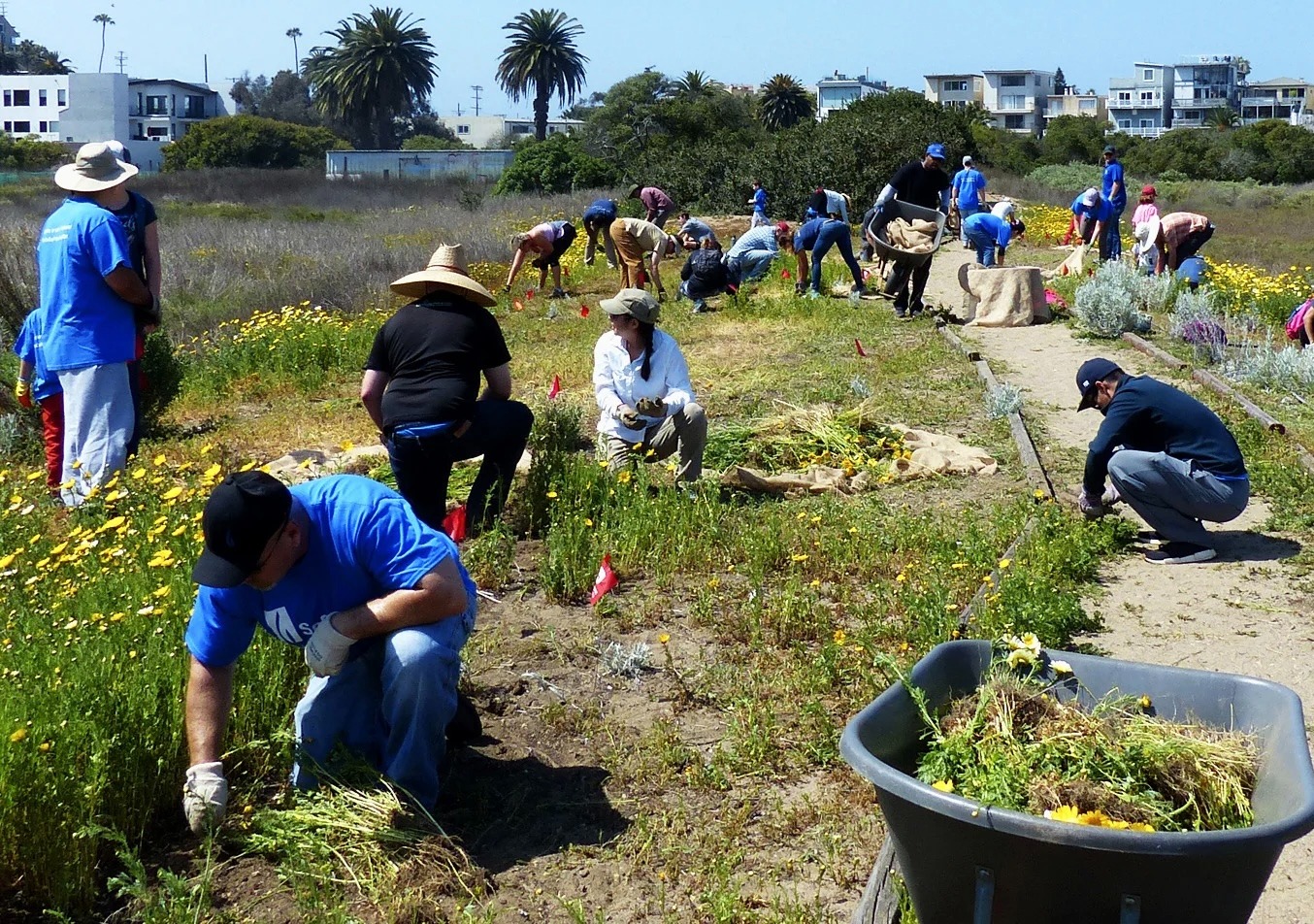
In 1994, a coastal dune restoration program was launched, largely driven by volunteers. This project became a prime example of effective community engagement with conservation initiatives and helped restore rare plant species.
The installation of tidal gates was initiated in collaboration with several government and community organizations, including the United States Army Corps of Engineers, Los Angeles County, and Heal the Bay. These gates allowed for the natural regulation of tides, significantly improving the health of the salt marsh ecosystems. The installation of the tidal gates was completed in 2004, creating more stable conditions for the salt marshes. This was a critical step in restoring natural hydrological processes.
The year 2003 was one of the most important in the organization’s history. It saw the official opening of the freshwater marsh, as well as the launch of a volunteer docent training program. In 2007, a project to prevent pollution in the Ballona watershed was launched in partnership with Loyola Marymount University. Concurrently, the organization secured funding from the City of Los Angeles and private companies, allowing it to expand its educational programs and dune restoration projects. During this period, the organization also attracted additional grants from energy companies and charitable foundations.
Scientific Collaboration
The work of Friends of Ballona Wetlands is rooted in extensive collaboration with government agencies and educational institutions.
Key partners include:
- California Coastal Conservancy;
- California Department of Fish and Wildlife;
- Loyola Marymount University;
- Heal the Bay.
Partnering with universities allows for the integration of field research, environmental monitoring, and educational programs. Students and faculty participate in biodiversity studies, analysis of human impact on ecosystems, and habitat restoration.
The organization actively participates in scientific conferences and research. A prime example is the recovery of the rare California gnatcatcher population. This endangered species has started actively nesting in the Ballona Wetlands. A record number of nesting pairs has been recorded, indicating the recovery of the natural habitat.
Core Areas of Focus
The organization operates across several fronts, forming a comprehensive approach to environmental protection.
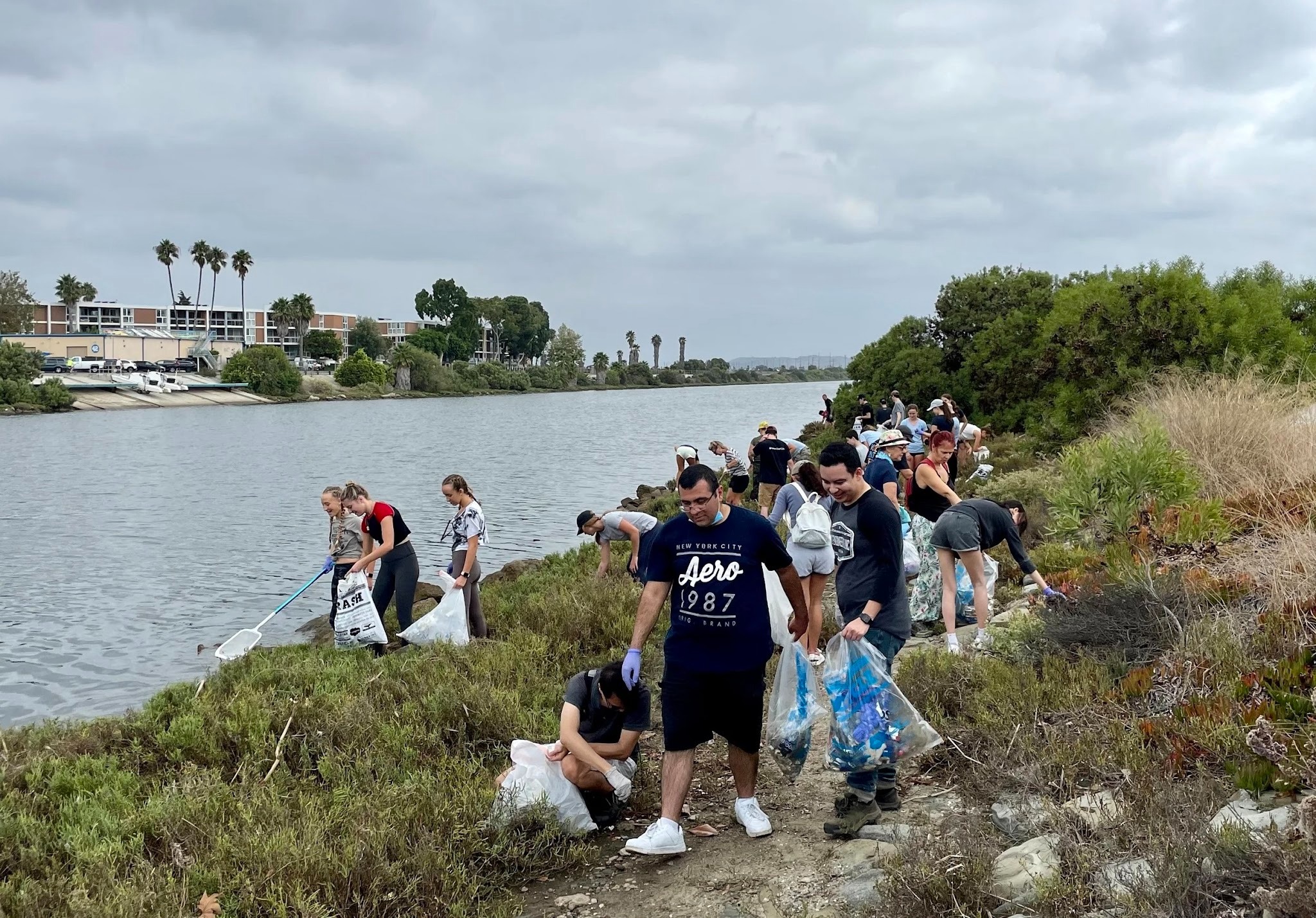
Volunteers and experts regularly conduct natural landscape restoration work: planting native species, cleaning water bodies, and creating conditions to restore biodiversity. In one recent environmental season, hundreds of native plants were planted, increasing the ecosystem’s resilience to climate change.
One of the key initiatives is the “Explore Ballona!” program, which introduces students to the region’s nature. Every year, thousands of students participate in field trips where they learn about local flora and fauna, ecological processes, and the impact of human activity on nature. Education here acts not just as a tool for transferring knowledge, but as a way to build environmental awareness.
Since 1979, the organization has offered open tours for residents and tourists. These tours have become an important platform for community engagement with nature. Recent initiatives include themed tours of natural areas, programs for different age groups, and special events to attract new audiences.
The work of Friends of Ballona Wetlands goes far beyond ecology. The organization supports the preservation of Indigenous cultural heritage, particularly areas associated with Indigenous peoples, organizes art and educational events, and collaborates with communities to foster an environmental culture. This makes it not just a conservation organization, but a socially significant institution.
Despite significant successes, the Ballona Wetlands face serious challenges: climate change, invasive species, pollution, and urban pressure. That is why the role of public support and sustainable funding remains critical.
The story of Friends of Ballona Wetlands is an example of how a local initiative can grow into a massive environmental movement. By combining science, activism, and education, the organization has managed not only to preserve a unique ecosystem but also to transform it into a living laboratory and educational center.