

Park · Los Angeles · ⭐ 9.3/10 · 4162 reviews · updated: 2026-08-04 16:03:21
Address: 1245 N Spring St, Los Angeles, CA 90012, United States
Los Angeles State Historic Park — the Cornfield, remade as a state park
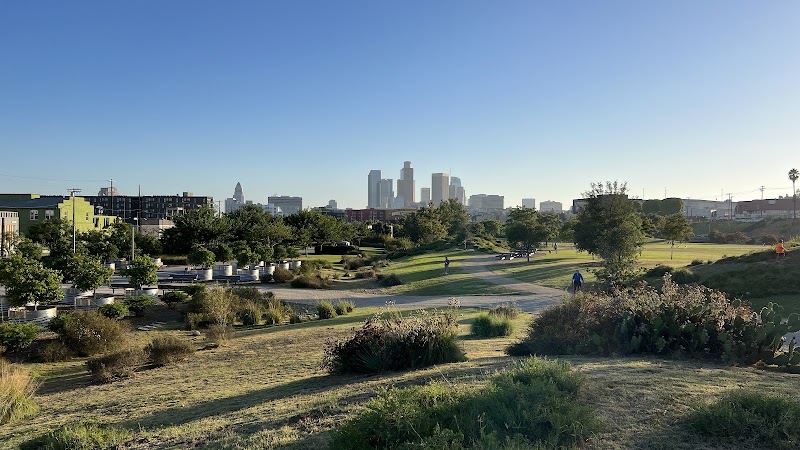
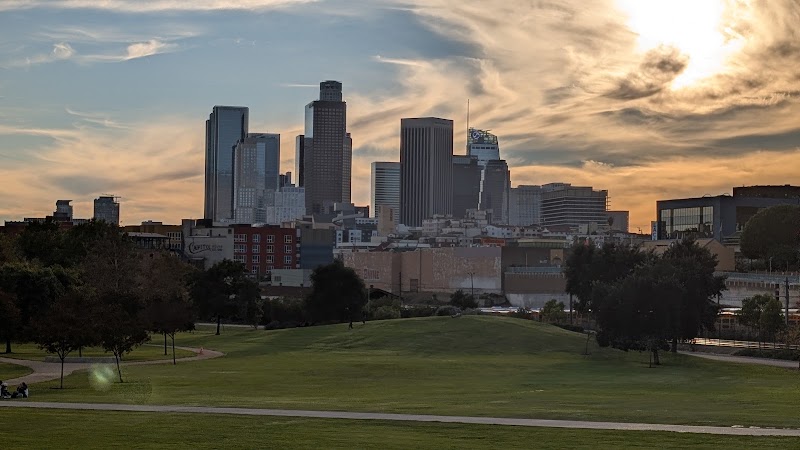
Thirty-two acres of open ground on the edge of Chinatown, with the downtown towers rising straight off the far end of the lawn. For most of the twentieth century this was a railroad yard, then a weed-covered brownfield that Angelenos called the Cornfield; today it is a state park, and one of the very few places in Los Angeles where you can stand on grass, look at the skyline unobstructed, and be standing on the exact ground where the city’s first passenger trains arrived. It took sixteen years of campaigning, a lawsuit, an art project and a redesign to get here.
Highlights
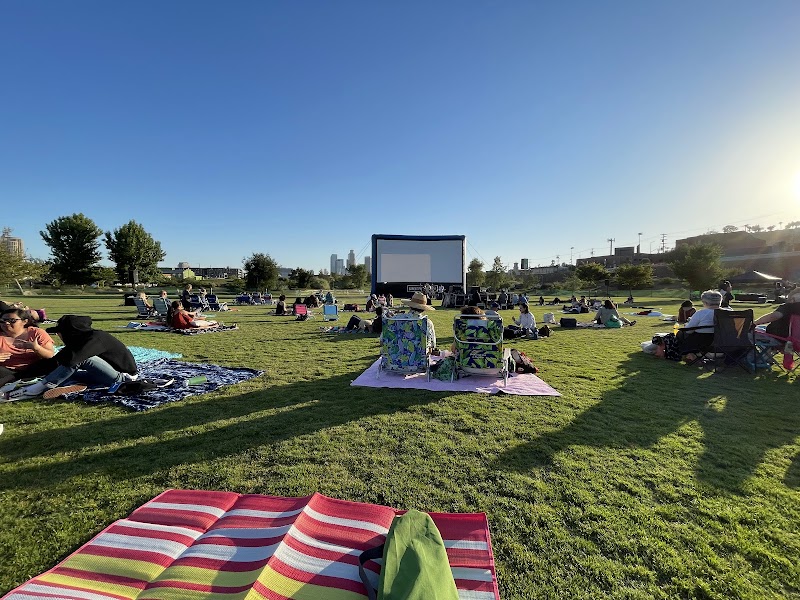
- The Great Lawn — a wide flexible event field that carries concerts, cultural festivals and picnics, and doubles as the park’s skyline viewing platform.
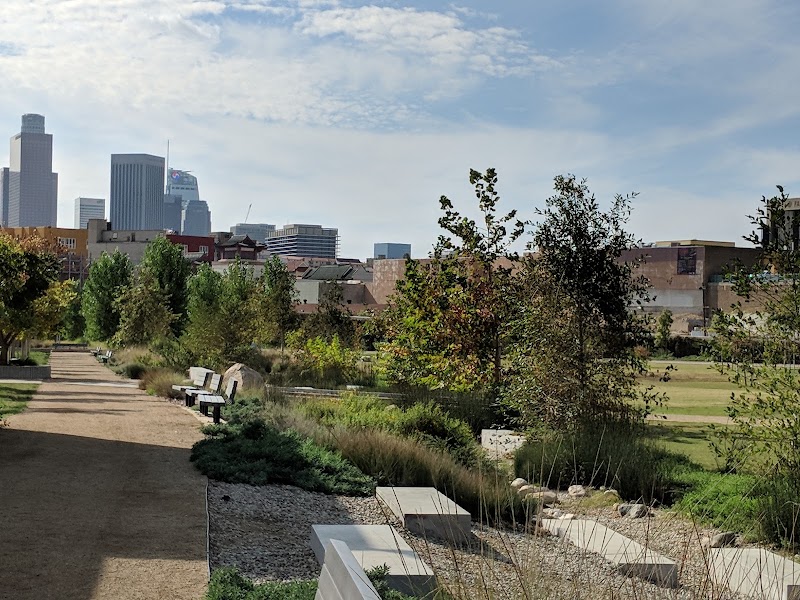
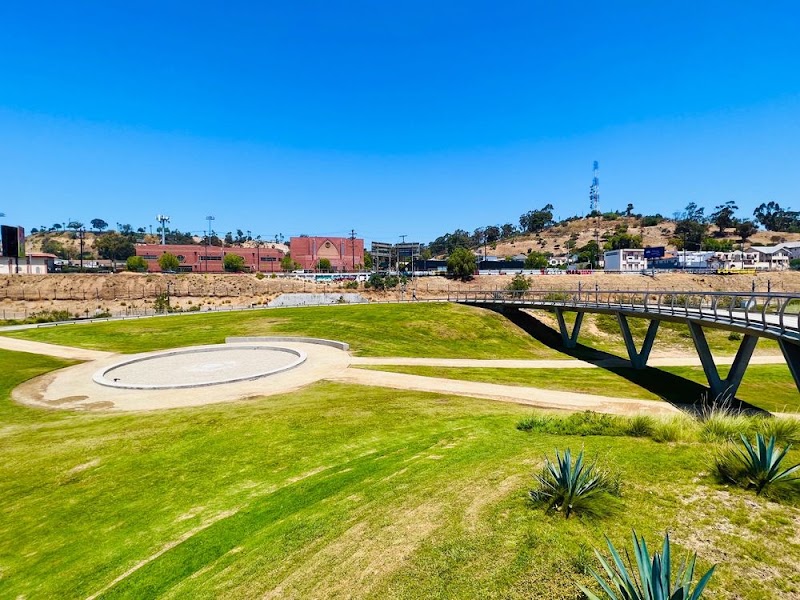
- The raised pedestrian walkway — an elevated path through the middle of the park that lifts you above the meadow grass for the cleanest downtown view on the site.
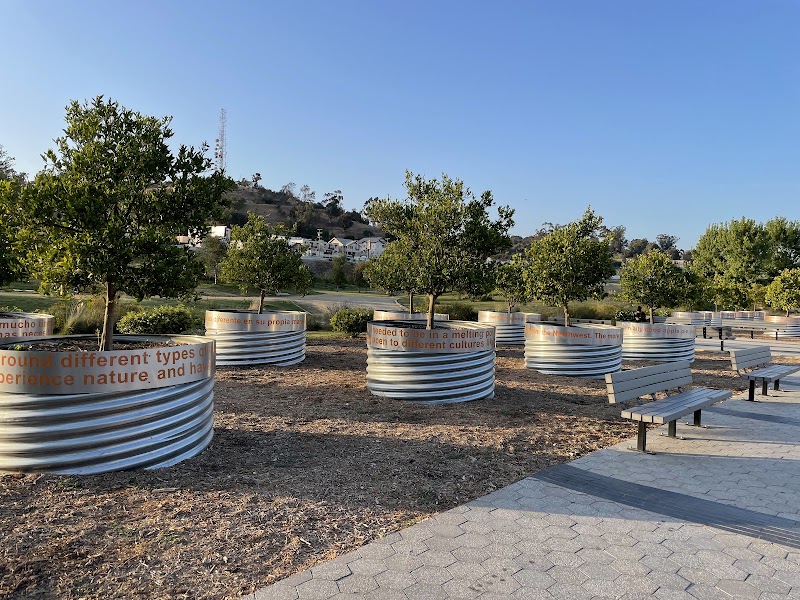
- “A Monument to Sharing” by Fallen Fruit — an orchard of 32 orange trees unveiled with the park in April 2017, their bases ringed with phrases drawn from conversations with neighborhood residents; the fruit is meant to be picked.
- The constructed wetland and dry creek — a restored habitat strip at the northern end, overlooked by a short wooden deck, that filters storm drain runoff before it reaches the Los Angeles River.
- The perimeter loop — a mile of path that circles the whole park and threads back through the interior, level and open the entire way.
- The Zanja Madre and River Station interpretation — panels marking the 1781 mother ditch, a five-foot section of which was uncovered on this site in 2001, and the railroad depot that once stood here.
What you’ll find
The park is deliberately spare — a big open field rather than a garden — because its designers wanted the history, the sky and the skyline to be the main event. The planting is native and drought-tolerant throughout, chosen after California’s long drought years.
- Western sycamore and bay laurel among the young trees, with sages and native bunchgrasses through the meadow areas.
- A welcome center with restrooms, drinking water and interpretive displays near the southern end.
- Cobblestone paving at the entrance, reusing historic material found on the site.
- A children’s exploration area with a storytelling-circle amphitheater.
- Wide decomposed-granite paths that take bikes, strollers and wheelchairs without fuss.
- A weekly farmers market on Thursday afternoons and a rolling calendar of community art sessions.
Things to do — and who it’s for
- Concert and festival goers — the Great Lawn is one of the city’s main outdoor event grounds, hosting large ticketed music festivals through the warm months.
- Photographers — the unobstructed skyline over open grass is the shot; it works at sunrise, at golden hour and after dark when the towers light up.
- History readers — the interpretive panels turn a walk into a compressed lesson on how Los Angeles got its water and its railroads.
- Runners and cyclists — a flat, car-free mile loop right at the edge of downtown, unusual in a city built around traffic.
- Families — the exploration area, the orange orchard and enough room to run without hitting anything.
- Chinatown visitors — the park sits directly beside the neighborhood, so a market lunch and an hour on the grass fit into one outing.
Getting there & practical
The park occupies the strip between Chinatown and the Los Angeles River, immediately north of the downtown core. Transit could hardly be simpler: the Metro A Line’s Chinatown Station sits right at the park, and several bus routes run along its edges — this is one of the few major Los Angeles parks you can reach without a car and without a long walk. Entry is free, as at California state parks generally, though large ticketed music festivals held on the Great Lawn are the exception and are sold separately by their promoters. Standard hours are daily from 8 a.m. until sunset. Restrooms and drinking water are at the welcome center. Allow forty-five minutes for a lap and the panels, an hour and a half if you picnic or come for the Thursday market.
When to visit
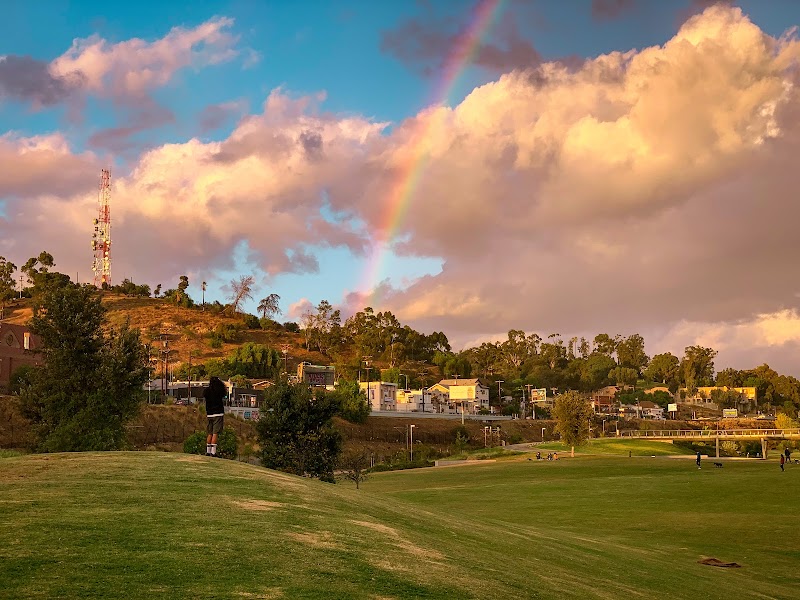
Spring is the park at its best: the meadow grasses are green, the natives flower, and the temperature suits an open field with very little shade. Summer brings the festival season and the biggest crowds, but also the harshest conditions — the lawn bakes from late morning, so early and late in the day are the sensible windows. Autumn delivers the clearest light of the year and the warm evenings that make sunset over the towers worth timing; the crowds thin once the festival calendar winds down. Winter is short, green and often spectacular: after rain, the air clears and the San Gabriel Mountains appear behind the downtown skyline, which is the single best photograph the park offers. There is no bad season, but there is very little shade in any of them.
Good to know
The ground here has been central to Los Angeles since before the city had a grid. The Zanja Madre — the mother ditch dug in 1781 to bring water from the Los Angeles River to the pueblo — ran through this area, and a five-foot section of it was uncovered on the site in 2001. In 1876 the Southern Pacific opened its River Station here, the terminus where the first trains from the east arrived; it has been called the Ellis Island of Los Angeles, and it operated until 1901. The nickname came later and more prosaically: corn spilling from freight cars sprouted along the tracks, and the derelict yard became the Cornfield.
By the late 1990s a developer proposed filling the vacant site with warehouses. A coalition of Chinatown and neighboring residents fought the plan, arguing that a district with almost no green space deserved a park, and won what is still described as one of the most significant environmental justice victories in the city. Governor Gray Davis signed Senate Bill 1177 on September 28, 2001, authorizing the state to buy and develop the site. In 2005 the artist Lauren Bon planted the whole thing with corn — Not a Cornfield, funded by the Annenberg Foundation, used roughly a million seeds and some 1,500 truckloads of soil, and the crop was harvested in November and December of that year, helping detoxify compacted industrial ground.
An international design competition in 2006 was won by Hargreaves Associates, and an interim park opened on September 23, 2006 with little more than a campfire circle, restrooms and a parking lot. The 2008 financial crisis gutted the budget, and the ambitious original scheme was pared back and reworked by State Parks’ own architects and landscape architects. More than sixty-five public meetings shaped the result. The finished park opened on April 22, 2017, with Governor Jerry Brown and Mayor Eric Garcetti speaking at the ceremony — sixteen years after the state bought the land.
Visitor tips
- Bring a hat and water. Shade is genuinely scarce, the trees are still young, and the lawn holds heat from late morning onward.
- Walk the raised path rather than the perimeter if you only have twenty minutes — it gives the best skyline framing on the site.
- Check the events calendar before traveling: large ticketed festivals take over the Great Lawn on some weekends and change how much of the park is open.
Questions & answers
Why is it called the Cornfield? Because corn spilled from freight cars in the old rail yard and sprouted along the tracks, giving the derelict site a nickname that stuck for decades — and that Lauren Bon answered in 2005 by planting the whole 32 acres with corn.
Is entry free? Yes. The park is free to enter during normal hours. The exception is the large ticketed music festivals staged on the Great Lawn, which are commercial events with their own admission.
What are the opening hours? Daily from 8 a.m. until sunset. That makes it good for early runs and for golden-hour photography, but it is not an after-dark park.
Can I get there on the Metro? Yes — the A Line’s Chinatown Station is at the park’s edge, which makes this one of the easiest large parks in the city to reach without driving.
Is there shade? Very little. The trees planted in 2017 are still filling out, and the design is deliberately open. Plan around the middle of the day in summer.
How long has it been a park? The state bought the land in 2001 and opened an interim park in 2006, but the park as it exists now — lawn, walkway, wetland, orchard, welcome center — opened on April 22, 2017.
Photos
Show 1 more photos
Visitor reviews
Reviews last updated: 2026-08-04 16:03:21
Data is refreshed monthly. Sources: los-angeles.name and editorial picks based on reviews.
Such a cool park, especially when events are held here. The lawns are huge and well-kept. We first came here for a festival, and the whole family loved it — very trendy, but at the same time convenient for a family outin…
This is probably my favorite park in Los Angeles! It's wonderful, spacious, home to both wildlife and human activity! It has one of the best cityscape views, with plenty of trails for walking. Great for group outdoor eve…
The park is truly beautiful and peaceful, perfect for walks, whether alone or with a pet.
A great place to relax and enjoy the quiet in the very heart of Los Angeles.
This is the park in my neighborhood, and I love it. However, today I found out that they use Flock cameras to surveil the main entrance and exit. These cameras look like solar panels, but they're actually cameras aimed i…