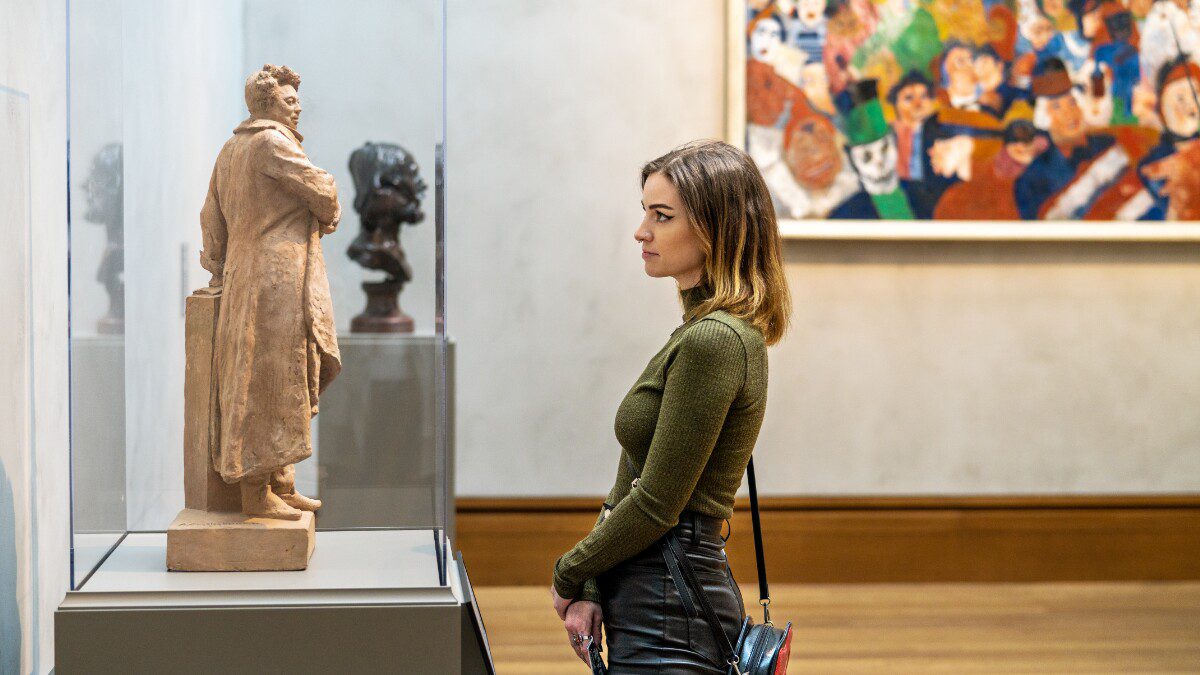
This well-known place is a cultural center and museum with stunning landscapes. The Getty Center covers an area of 0.75 square miles and is located on 110 acres on a hilltop in Santa Monica. What distinguishes the complex? What exhibits should you see with your own eyes? Find out at los-angeles.name.
History of the Getty Center
This place is the legacy of the businessman and art collector J. Paul Getty. He dedicated his adult life to making art more accessible to the general public. For example, in 1948, he donated pieces from his personal collection to the Los Angeles County Museum of Art.
The man did not stop there. He established the Getty Foundation in 1953 and the Getty Museum the following year. He chose his own ranch house in Malibu (Pacific Palisades) as the location for the latest educational institution.
The man passed away in 1976. He made every effort to guarantee that the art continued to be developed after his death, so the greater part of his property went to the trust in accordance with the arrangement. It’s interesting to note that Paul Getty contributed to the achievement of the following:
- construction of the Getty Villa in Pacific Palisades
- the Getty Center in Brentwood
- expansion of the museum’s collections
- establishment of the Getty Conservation Institute
- Getty Research Institute
- the Getty Foundation.
Interestingly, according to the trust agreement, these initiatives comprise the Getty Center.
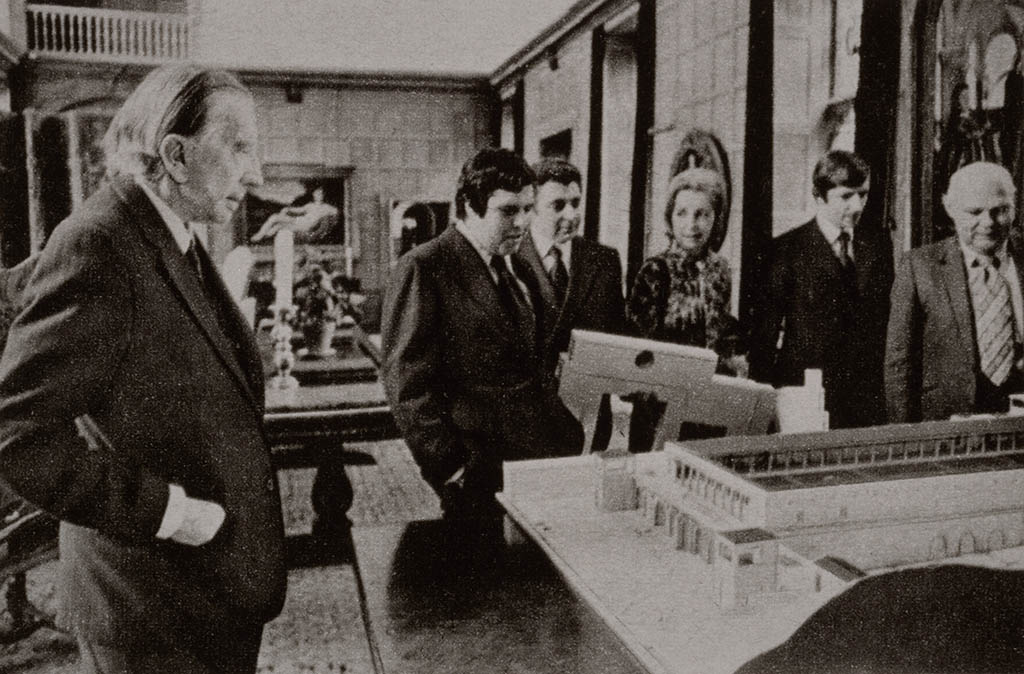
Who is Paul Getty?
It is known that he was studying the oil business since childhood, as well as was interested in and studied collecting. His genuine desire to provide public access to art drove him to develop his house museum into the world’s largest cultural and charitable institution dedicated to art.
Jean Paul Getty was born in Minneapolis in 1892. He was an only child and was gripped by the “oil fever” at one point. In 1904, the family lived in Oklahoma, and two years later, the Getty family relocated to Los Angeles.
At that time, Paul used to accompany his father everywhere during the summer holidays and later worked for his father’s company called Minnehoma Oil. He did not feel special because his shift was the same as everyone else’s – 12 hours. The same may be stated for the salary – $3 per day.
Paul Getty attended classes at the University of Southern California and the University of California, Berkeley. In 1913, he graduated from the University of Oxford with a degree in economics and political science.
The young man wanted to become a diplomat or a writer, but at the age of 23, he became a millionaire. In 1916, a father-son partnership company known as the Getty Oil Company was formed. After that, Getty Jr. opted to take a break from business, though in 1919, he had to return to the oil business.
From the 1930s to the 1960s, he transformed the corporation into a multinational conglomerate that managed everything from oil exploration to distribution. Over time, the man became interested in and involved in various businesses, such as hotels and the construction of modular homes.
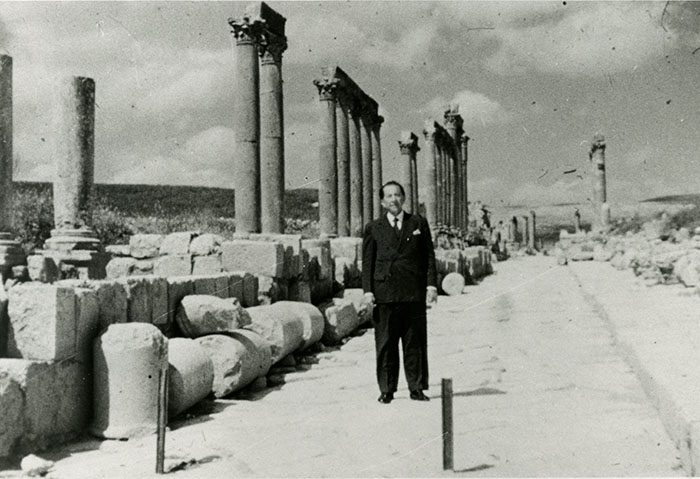
Did Getty truly love art?
Getty was interested in the promotion of art and was pleased with the tax deductions. They accumulated as a result of art collection donations to museums. He grew to enjoy it over time.
Also, his mother’s will was a potential factor. If the grandchildren did not have children, the Getty Foundation was to be established to support the development and popularization of the visual arts.
In 1953, the millionaire founded the J. Paul Getty Trust. After converting his house into a museum, he wrote:
«I’ve always had an idea at the back of my mind that this little museum might some day belong to the nation»
Even while in London, Getty oversaw the museum’s operations, authorizing each new acquisition. He was proud of the villa’s architectural layout, but he kept costs to a minimum. For a time, he even refused to pay for climate control for works of art.
He informed the museum’s workers that the institution would have to be able to function with the original funding he provided. He left practically the entire estate in a will in trust ownership, which is more than any museum in the world has received.
What was the fate of the millionaire and philanthropist Paul Getty?
Interestingly, the man’s personal life was incredibly busy. He married five times and had five sons from different marriages. After 1951, Paul Getty departed California and never returned. He picked England as his permanent home.
The millionaire died of prostate cancer at the age of 83. He was laid to rest in a private burial in Malibu.
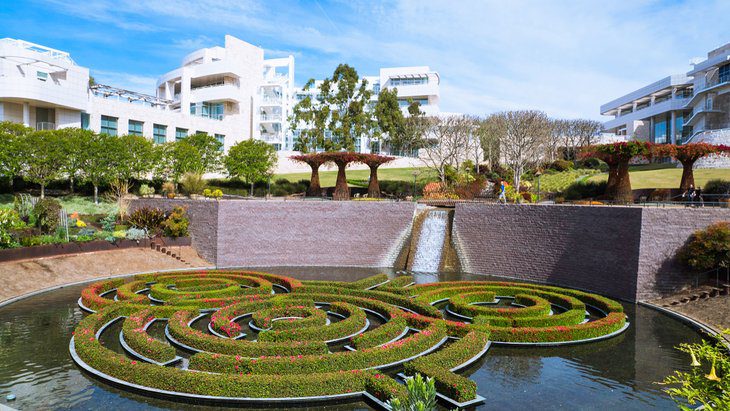
From medieval buildings to modern gardens. What locations should you visit?
Every visitor will discover something of interest here. Some people enjoy art or modern design, while others enjoy unique gardens and can spend hours admiring the city’s breathtaking views.
Here are some things to see and do at the Getty Center.
- The Getty Center Tram will help you to explore the area and get a better view of the city. The route goes from the main parking lot to the top of the hill. The journey will take between 15 and 20 minutes.
- The best exhibits from the Middle Ages to the present are housed in the museum’s North Building. This leisure time will last between 60 and 90 minutes. It is worth noting that galleries offer free English-language guided tours of selected works of art on a daily basis.
- Visitors enjoy spending time on the museum’s court. It is always pleasant to take in the unique atmosphere and fountains, breathe fresh air and purchase snacks and drinks at the nearby cafe.
- Attention should also be devoted to world-class exhibitions where you can see art from worldwide museums as well as appraise the Getty Center’s own collections. These exhibits can be found in the Northern, Southern and Western buildings.
- Robert Irwin’s Central Garden is a living work of art. It is rich with water bodies and colorful plants that change with the seasons. The area is ideal for picnics and recreation.
- The final stop on this mini-guide is the Getty Museum’s shops, where you can pick a small souvenir. These are art-inspired postcards, booklets and little gifts.
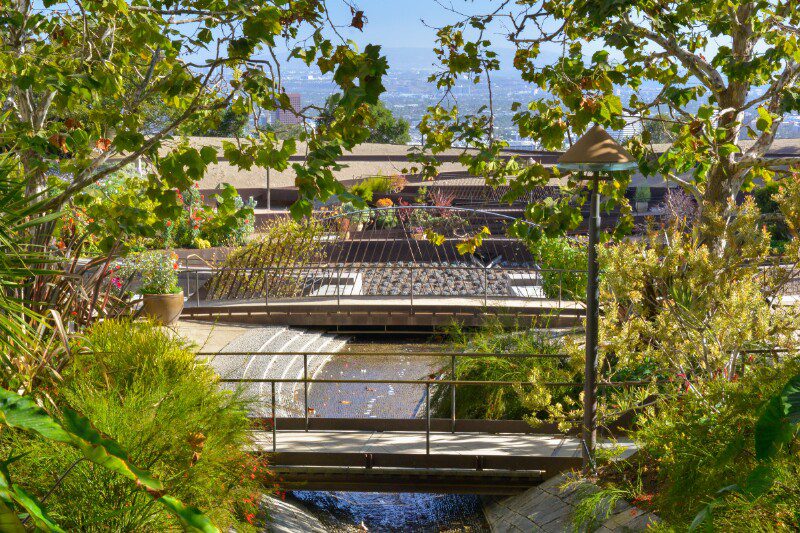
Where is the Getty Center located?
Hence, this is a distinctive structure with a beautiful territory. Every visitor should pay attention to the collections of European paintings, sculptures, decorative art and photography from the nineteenth and twentieth centuries.
This location has breathtaking views. The Getty Center is located at 1200 Getty Center Drive in Los Angeles. Admission is free, however, you must make a reservation well in advance. Planning your visit will make it rich and memorable for a long time, leaving pleasant impressions and feelings behind. In addition, the free GettyGuide app can serve as your personal tour guide.
The Getty Center is closed on Monday, although it is open from 10:00 to 17:30 on Tuesday-Friday and Sunday. The institution is open from 10:00 to 20:00 on Saturday.
Significance of the Getty Center
It is the world’s largest cultural and philanthropic institution devoted to the visual arts. The Getty Center’s team is dedicated to preserving and interpreting the world’s artistic legacy.
This location attracts almost 1.8 million tourists each year. It is interesting to note that the center’s project included clauses that address earthquake and fire-related issues.