

Los Angeles is a large city in the United States of America, situated on the south coast of the great state of California. Los Angeles is one of the largest cities by population. However, Los Angeles is more than simply a megacity, it is also one of the world’s cultural centers. Many tourists dream of visiting Los Angeles to broaden their cultural horizons and get new and exciting experiences. Find out more at los-angeles.name.
What are the advantages of Los Angeles’ geographical location?
Los Angeles is the city of everlasting summer. Of course, there is no actual heat in February here, but there is also no real frost. It snows from time to time. However, you can only see the snow and ski in the mountains. Summers in the city are hot and dry, and precipitation is uncommon. It is difficult to handle high temperatures in the heart of a megalopolis, but on the Pacific coast, you may feel quite comfortable.
The geographical location of Los Angeles offers numerous advantages to both residents and visitors. Because of its proximity to the ocean, the city has a temperate climate with mild winters and warm summers. This creates favorable conditions for relaxing on the beaches and engaging in water sports.
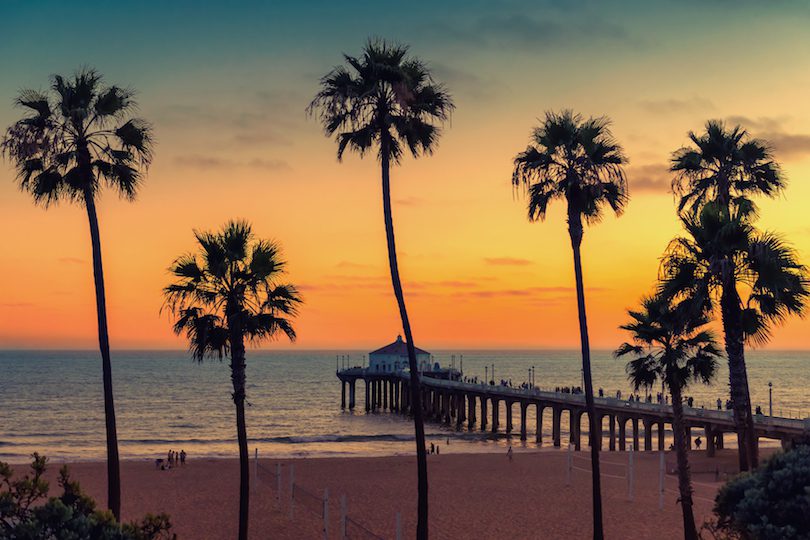
The city is also known for its diverse nature and scenic landscapes. There are deserts, mountain ranges, lakes and national parks around Los Angeles. This makes it an excellent choice for outdoor enthusiasts as well as people who enjoy natural beauty.
Each quarter of Los Angeles has its distinct terrain and climate conditions. The western side of the city, with its beaches and ocean shore, is distinguished by colder temperatures and strong winds. The eastern side of the city, situated in the mountains, has a drier and hotter climate.
Los Angeles has a warm climate and beautiful terrain, so you may find gardens with a range of flora such as palm trees, flowers and succulents. Throughout the year, the mountains that surround the city provide multiple opportunities for hiking, mountain trekking and skiing. The ocean provides great conditions for swimming, surfing and other water sports.
What kind of weather is observed in Los Angeles throughout the year when there is no icy winter, but a hot summer?
Since the city is located in the south of the country, it has predominantly hot temperatures. There are several natural areas around the city, including mountains, rivers, hills, wetlands, beaches and dunes. The nature here is very diverse.
Los Angeles has a climate comparable to the Mediterranean but closer to tropical. There is almost no winter here, the average winter temperature is around 15 degrees Celsius. Winter in Los Angeles is more like the beginning of autumn or the second half of spring, with no snow or frost. In the winter, it rains frequently, and sometimes for an extended period. There is no snow or frost, and the air temperature rarely drops below zero.
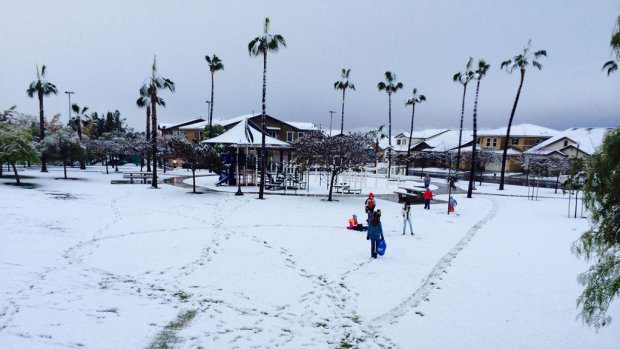
Summers in Los Angeles, on the other hand, are quite hot and dry. The average summer temperature is between +25 and +35 degrees Celsius. In the summer, there is often fog in the morning, particularly closer to the coast. Summer days in Los Angeles are normally clear and sunny, although smog clouds can form over the city due to transportation emissions and thermal inversion.
Overall, thanks to its unique microclimate, Los Angeles appeals to both tourists and citizens alike. Residents of the city may enjoy warm and comfortable weather for most of the year, making it one of the most popular destinations to live and visit.
Since there are no harsh frosts or snowfalls, residents and tourists to the city may enjoy an active lifestyle all year. This climate contributes to the creation of open spaces, parks, beaches and other areas for active outdoor activities. Los Angeles truly presents unique conditions for comfortable and enjoyable living at any time of year.
The average summer temperature is approximately +30 degrees Celsius. The highest temperature in Los Angeles was recorded on July 22, 2006, when it reached +48.
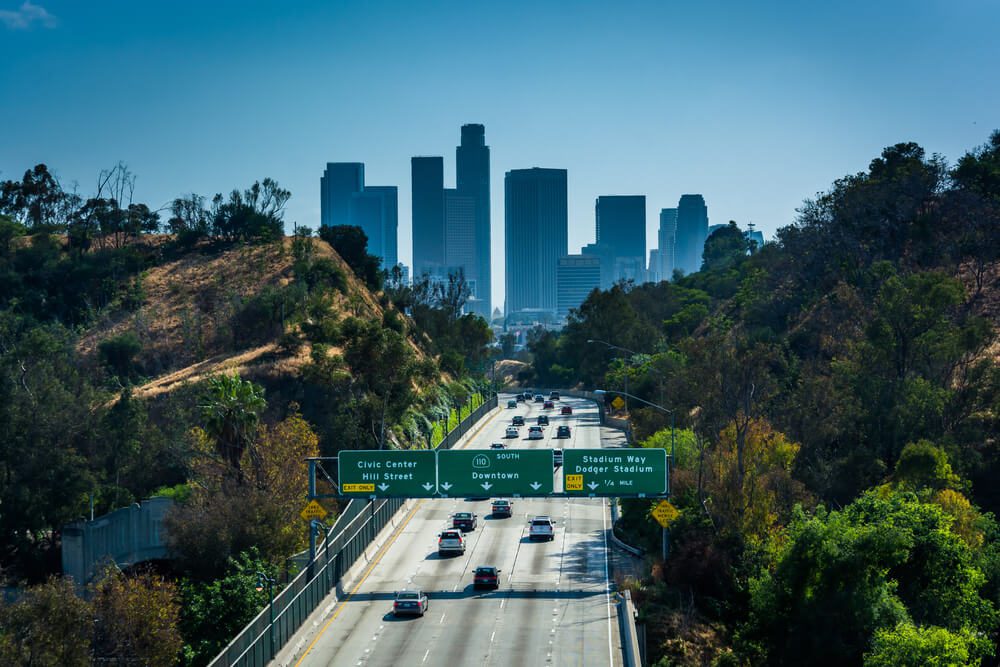
Due to the extreme heat and lack of wind, smog frequently hangs over Los Angeles. Fumes from heated concrete and car exhaust gasses exacerbate the situation. Breathing becomes quite difficult, especially in the city center. After all, Los Angeles is not a continuous coastline with clean and refreshing ocean breezes. As a result, this city in America is regarded as one of the most problematic in the country in terms of environmental situation. Those who are accustomed to living in climates with complete seasonal changes will find it difficult to endure such weather.
In Los Angeles, moderate cloud cover is reported 5 months a year
The clearest part of the year in Los Angeles begins around April 23 and lasts 6.3 months, ending around November 2. August is the brightest month of the year in Los Angeles, with 90% of the sky remaining clear, mostly clear or partly cloudy.
The cloudier period of the year begins about November 2 and lasts for 5.7 months, till April 23. February is Los Angeles’ darkest month, with the sky being cloudy or mostly cloudy 42% of the time.
Water temperature in the ocean ranges from +16 to +20
Los Angeles is situated by a large body of water. The average water temperature varies dramatically throughout the year due to seasonal changes.
The average water temperature above +19 lasts for 3.3 months, from July 4 to October 12. The warmest month of the year in Los Angeles is August, with an average temperature of +20.
The season with cooler water lasts 4.7 months, from December 9 to April 30. During this time, the water temperature falls below +16. The coldest month in Los Angeles is February, with an average temperature of +15.
From a geographical standpoint, the metropolis on the Pacific Coast is not very well situated. Los Angeles is located in a seismically active area, therefore the city shakes frequently and quite strongly. The city experienced its most devastating earthquake in 1994.
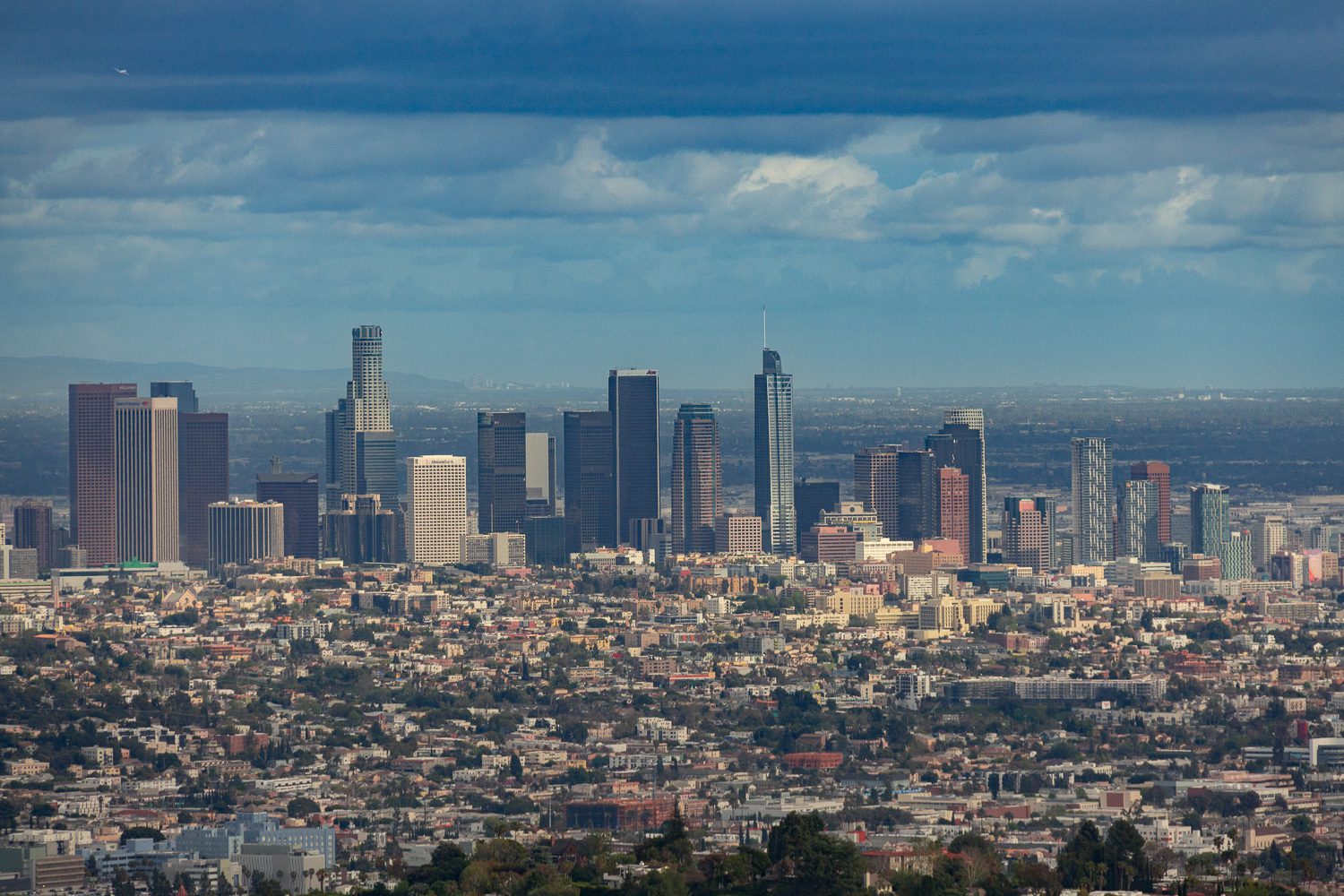
When viewed from above, Los Angeles appears to be a large village, with countless small homes hidden among the hills. Los Angeles is large, covering 1200 square kilometers. However, there is almost no center, and most of the neighborhoods are made up of one-story houses. The reason for this is that earthquakes occur quite frequently.
According to forecasts in 50 years, the climate in Los Angeles may change to desert
There is no denying that the weather in America is changing. The Arctic ice is quickly melting, ocean water levels are rising and the heat is intensifying. Some warm and dry regions will become so hot that by the end of the century, the weather will be similar to that of the desert. These severe temperature and humidity changes will have an impact on the interaction of plants, animals and humans.
In 2018, the New York Times used data from the University of Maryland Center for Environmental Science to study 15 US cities that will have an entirely different climate by 2080 if changes occur at the projected rate.
The average temperature during an average winter in Los Angeles is expected to rise by 8.3 degrees by 2080, the second-greatest rise among all cities on the list. Furthermore, the city will become 79.6% drier, which is also the second largest change. Such changes will cause Los Angeles to have a climate comparable to that of Cabo San Lucas, Mexico.
California has several climate change mitigation initiatives, including the Desert Renewable Energy Conservation Plan (DRECP). This plan aims to protect and preserve desert ecosystems in Los Angeles County and six other California counties. It will ensure that renewable energy sources are properly developed while also providing opportunities for outdoor recreation.