

Eaton Canyon Falls is one of the most accessible and unique natural landmarks near Los Angeles. Standing over 40 feet (12 meters) tall, the waterfall is nestled within the scenic Eaton Canyon Natural Area. It’s a favorite spot for tourists, families, and outdoor adventurers who come to witness incredible sunrises, breathe fresh air, and enjoy breathtaking views. Those who visit once often find themselves returning again and again. More at los-angeles.name.
The Canyon’s Essential Water
The canyon’s history stretches back millions of years, and water has been central to its story. Flowing water sculpted the canyon over time and sustained the local indigenous tribes. They would grind and soak acorns into a cold mush using the canyon’s water, and mountain cherries were cooked, roasted, ground, and eaten mixed with cold water.
Everything changed when Spanish settlers arrived between 1769 and 1840. They saw the canyon as prime land for cattle and goat ranching. By the mid-19th century, the canyon was settled and later renamed after Judge Benjamin Eaton, who built the first Fair Oaks ranch house here in 1865. He was the first person to use irrigation to cultivate grapes in the canyon. In the spring of 1887, the Precipice Canyon Company was incorporated to extract water from the canyon. In total, 50 tunnels were constructed to supply water to the greater Pasadena area. The canyon remains a fundamental resource today. Even in the 21st century, the city of Pasadena and parts of Altadena receive about 40% of their water from sources fed by the San Gabriel Mountains. Directly or indirectly, the canyon’s water heritage has touched millions of lives over millennia.
The Canyon’s Secret Rocket Program
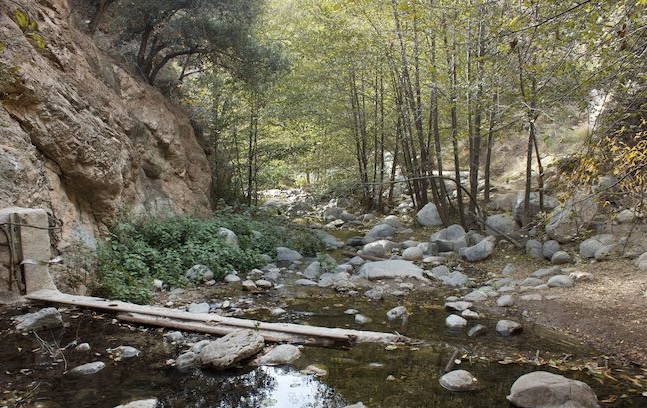
In the 20th century, the canyon was the site of a U.S. national security secret. A rocket program, founded in 1941, was conducted here for five years, based at the California Institute of Technology (Caltech). The canyon was used for development, testing, and mass production. The program was so successful that the facility operated around the clock, producing millions of rockets for the U.S. Army. Some of today’s guided air-to-air missiles, such as the Sidewinder, Sparrow, and Harpoon, are descendants of the first air-launched rockets developed in this canyon. A rocket engine that was tested here was also developed during World War II.
The Restaurant That Floated Away
In the mid-20th century, construction began on the “El Dorado Inn” restaurant near the canyon’s base. It was a popular steakhouse for visitors, but natural disasters changed everything. During the great flood of 1969, the ground beneath the building collapsed. The restaurant building was torn from its foundation and completely destroyed. Locals still recount that the restaurant’s safe was never recovered. It may still be lying somewhere in the deep water behind the Eaton Wash Dam.
Over the last 100 years, at least five major floods have occurred here, significantly lowering the canyon floor. These massive events—in March 1938, January 1943, January 1969, February 1980, and January 2005—destroyed over 95% of the vegetation near the waterfall. During these floods, up to 20 inches of rain fell in the canyon area. On January 22, 1943, a record 25.83 inches of precipitation was recorded in a single day, a record for the Western U.S. Floods will continue to happen; forecasters say it’s only a matter of time. Therefore, visitors must be extremely careful and follow all safety rules.
21st-Century Challenges in the Canyon
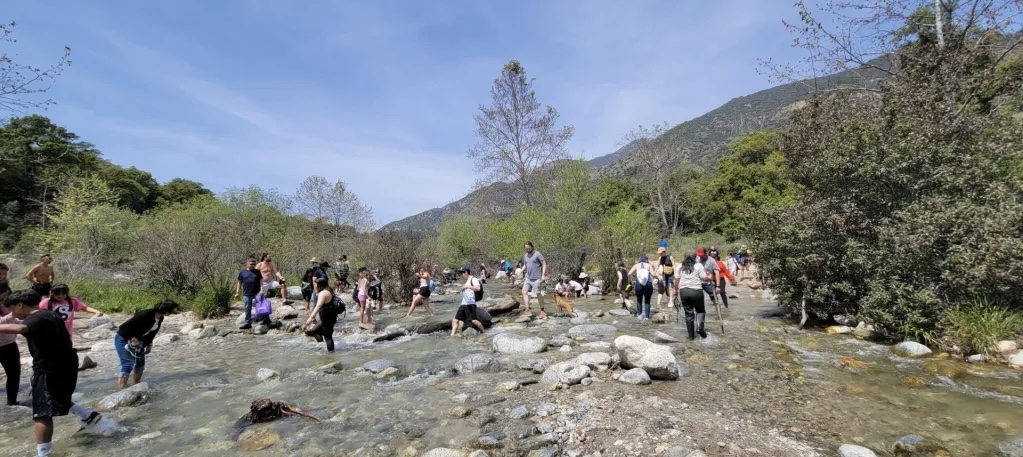
Some of the canyon trails, especially the one to Eaton Falls, are so popular with casual hikers that parking near the trailheads can be challenging on weekends. This is a special place, and the only practical way to explore it is on foot. Hikes range from moderately easy to strenuous, depending on the route and destination.
Volunteers urge visitors to be careful on the canyon trails. It is essential to check the weather forecast and canyon operating hours, as many trails lack cell service and internet access. Be sure to bring water, hats for sun protection, comfortable shoes, and trash bags. The canyon is a nature preserve home to hundreds of unique plant species and various animals. It is also home to the third most popular hiking trail with a natural waterfall in the U.S. While large numbers of visitors come here, not all are careful about keeping the canyon clean. People leave anywhere from two to fifteen pounds of trash in the canyon every day. Plastic bottles, food wrappers, waste bags, and other debris threaten the local wildlife. There are no cleanup crews, so volunteers urge everyone to pack out their trash.
Routes to the Waterfall
Eaton Canyon Falls is located in the foothills of the San Gabriel Mountains and is surrounded by dense vegetation, rocky trails, and picturesque gorges. It is part of a natural park covering over 187 acres (76 hectares), which includes canyons, dry riverbeds, and oak groves.
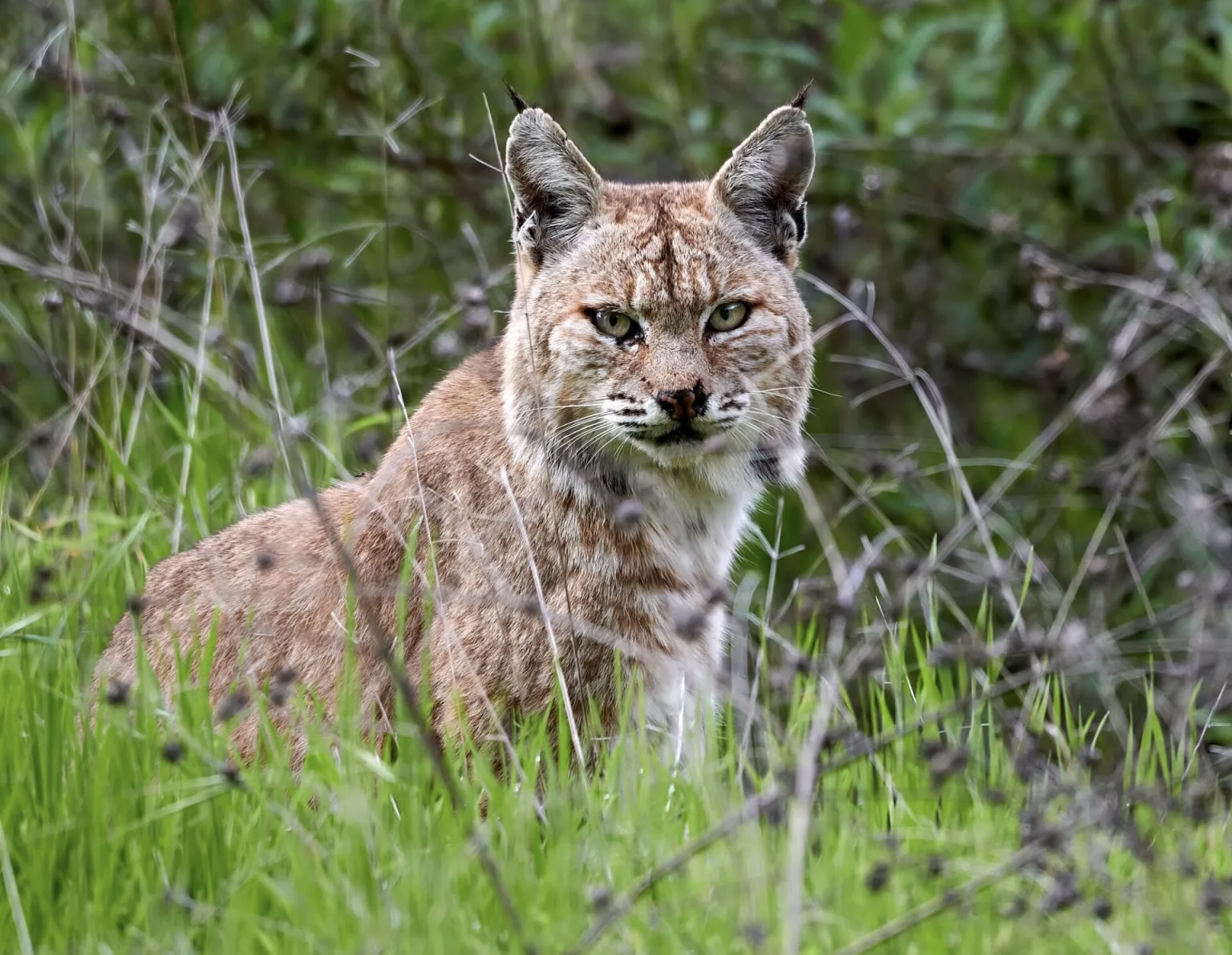
The path to Eaton Canyon Falls is not only an adventure but an opportunity to enjoy nature. The round-trip hike, about 4 miles (6.5 kilometers) long, is considered moderately easy and suitable for people of varying fitness levels. The route begins at the Eaton Canyon Nature Center, where you can get a canyon map and learn more about the region’s flora and fauna. The trail continues across several streams, offering beautiful scenery. The route culminates at the waterfall, which boasts uniquely clear water and provides a cool, refreshing mist. There are also areas along the trail for short stops and nature observation. Photographers frequently visit, as the waterfall creates ideal conditions for shooting, especially in the morning and after rain. Designated picnic spots are set up along the route, allowing families to enjoy pleasant company in a cozy setting. It’s also a chance to see plants and animals often not encountered in the wild.
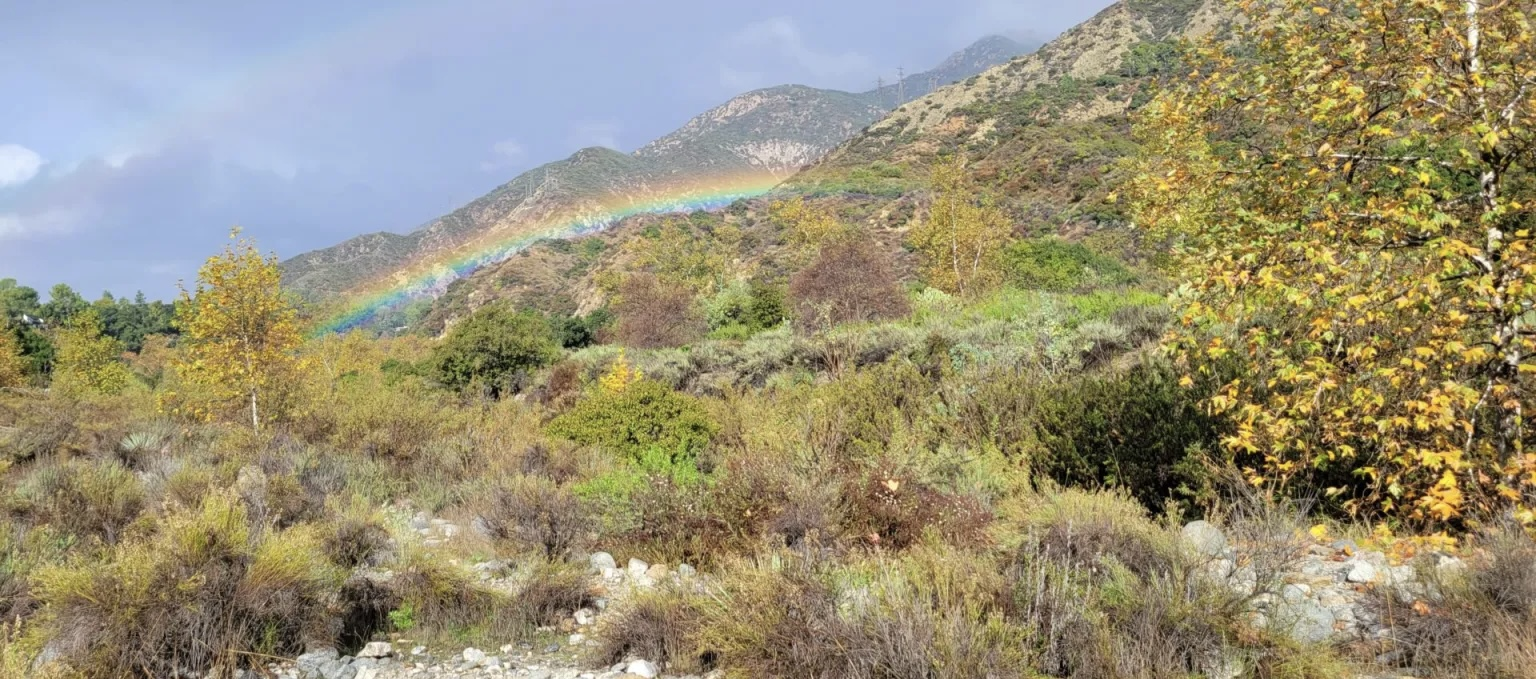
Volunteers recommend visiting the canyon in the spring or early summer. At that time, the nature around the waterfall is particularly green, and the water flow is strongest due to seasonal rains. In the summer, it’s best to hike early in the morning to avoid the heat. Swimming in the waterfall is prohibited because Eaton Canyon is a protected conservation area. Fall sees fewer tourists; it’s not the most popular time of year in the canyon. Nevertheless, it is unique for creating fantastic landscape photos of the area. On December 22, 2023, a thunderstorm created a unique vista through the canyon. One of the most stunning rainbows lasted over the canyon for 8 minutes, allowing photographers and tourists to capture incredible shots. So, while nature in the canyon is unpredictable, it is certainly worth seeing. Despite the canyon’s varied uses over the past years, it remains a unique place to escape the city bustle and enjoy the sounds of nature.
Eaton Canyon Natural Area holds historical significance for the region. For centuries, the area was home to native peoples and later a popular route for explorers. Visiting the waterfall allows you not only to witness its natural beauty but also to learn more about California’s past.