

Los Angeles has long been associated with the global film industry. However, it is also the birthplace of technologies that allow humanity to explore the distant planets of the solar system. The neighboring city of Pasadena is home to the Jet Propulsion Laboratory (JPL), a NASA research center that develops robotic space missions. It was the engineers at JPL who created most of America’s interplanetary probes and Mars rovers. They also designed the technologies that ensure their navigation, communication, and autonomous operation hundreds of millions of kilometers away from Earth.
JPL’s engineering legacy continues to shape the future of space exploration. From the legendary Mariner, Voyager, and Galileo missions to the modern Curiosity and Perseverance rovers, every new project builds on decades of experience gathered in laboratories near Los Angeles. At the same time, engineers here are developing a new generation of autonomous robots. These machines will explore the most treacherous terrains of the Moon and Mars. Read more at los-angeles.name.
Deep Space Network
When the Perseverance or Curiosity rover sends fresh photos of the Martian surface, it feels as if the connection between Earth and the Red Planet is instantaneous. In reality, every received image is backed by one of the most complex telecommunications systems in the world: the Deep Space Network (DSN). It was designed, built, and is still operated by specialists from NASA’s Jet Propulsion Laboratory in Pasadena. This network provides communication with spacecraft operating far beyond Earth’s orbit.
The network consists of three facilities featuring giant antennas. They are spaced about 120 degrees apart around the globe. This strategic placement allows for nearly continuous communication with space probes, regardless of our planet’s rotation. One facility is located in Goldstone (California), the second near Madrid (Spain), and the third near Canberra (Australia).
Thanks to this global footprint, the Deep Space Network captures incredibly faint signals that have traveled hundreds of millions of kilometers. Beyond transmitting commands, the network precisely pinpoints spacecraft coordinates, measures their speed, and helps execute complex flight and landing maneuvers. For Mars rovers, this system is absolutely vital. JPL engineers compile a daily package of commands. These instructions are then beamed through the DSN to Martian orbiters or directly to the planet’s surface. Once the tasks are completed, the rover sends back telemetry, photos, videos, and scientific data. Without this network, missions like Sojourner, Spirit, Opportunity, Curiosity, Perseverance, and Ingenuity simply would not be possible. It also supports interplanetary probes exploring Jupiter, Saturn, asteroids, and deep space.
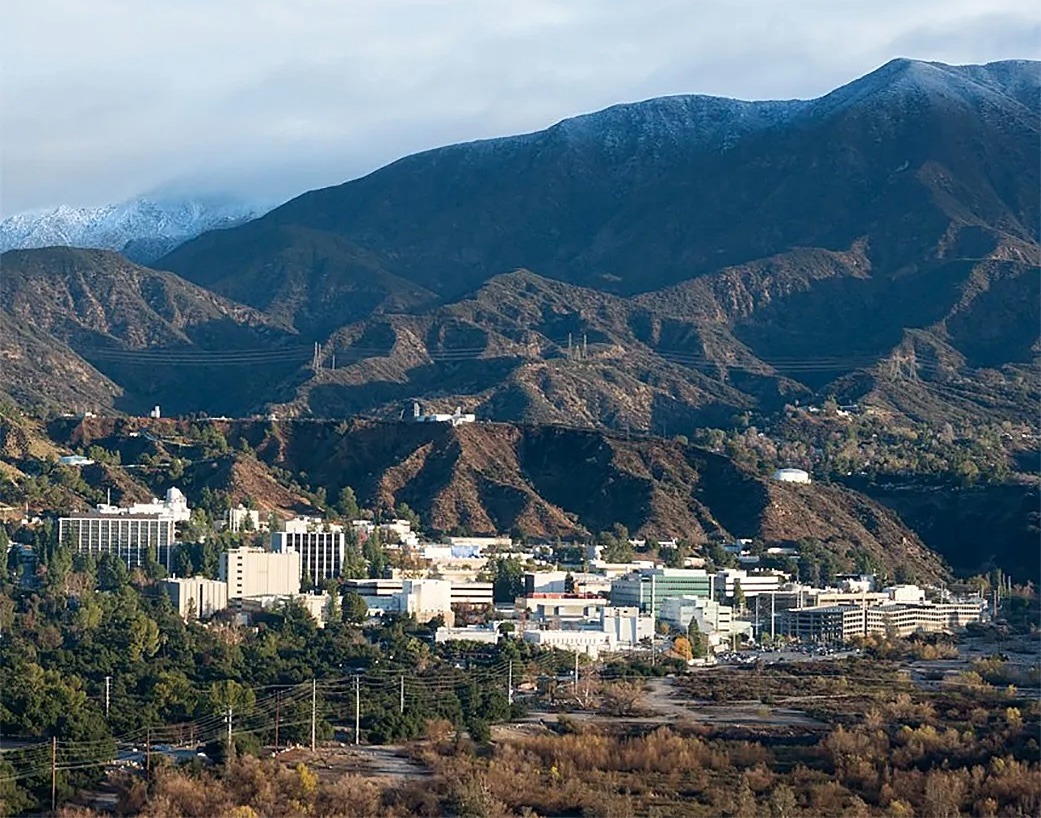
How Did JPL Engineers Teach Rovers to Work Independently?
Due to the colossal distance between Earth and Mars, real-time control of a rover is impossible. Depending on planetary alignment, a signal takes anywhere from 4 to over 20 minutes to travel one way. Therefore, every robot must be able to make certain decisions on its own. The engineers at the Jet Propulsion Laboratory have become global leaders in developing autonomous navigation systems for space vehicles.
Modern rovers analyze the terrain using stereo cameras, build 3D surface models, and identify potentially hazardous areas. They plot safe routes entirely on their own, requiring no operator intervention. Autonomous navigation algorithms help the robots bypass large boulders, avoid steep slopes, monitor wheel slip, and brake instantly at the slightest sign of risk. These technologies significantly speed up the exploration of Mars. They allow scientific work to continue even when a direct link to Earth is temporarily unavailable.
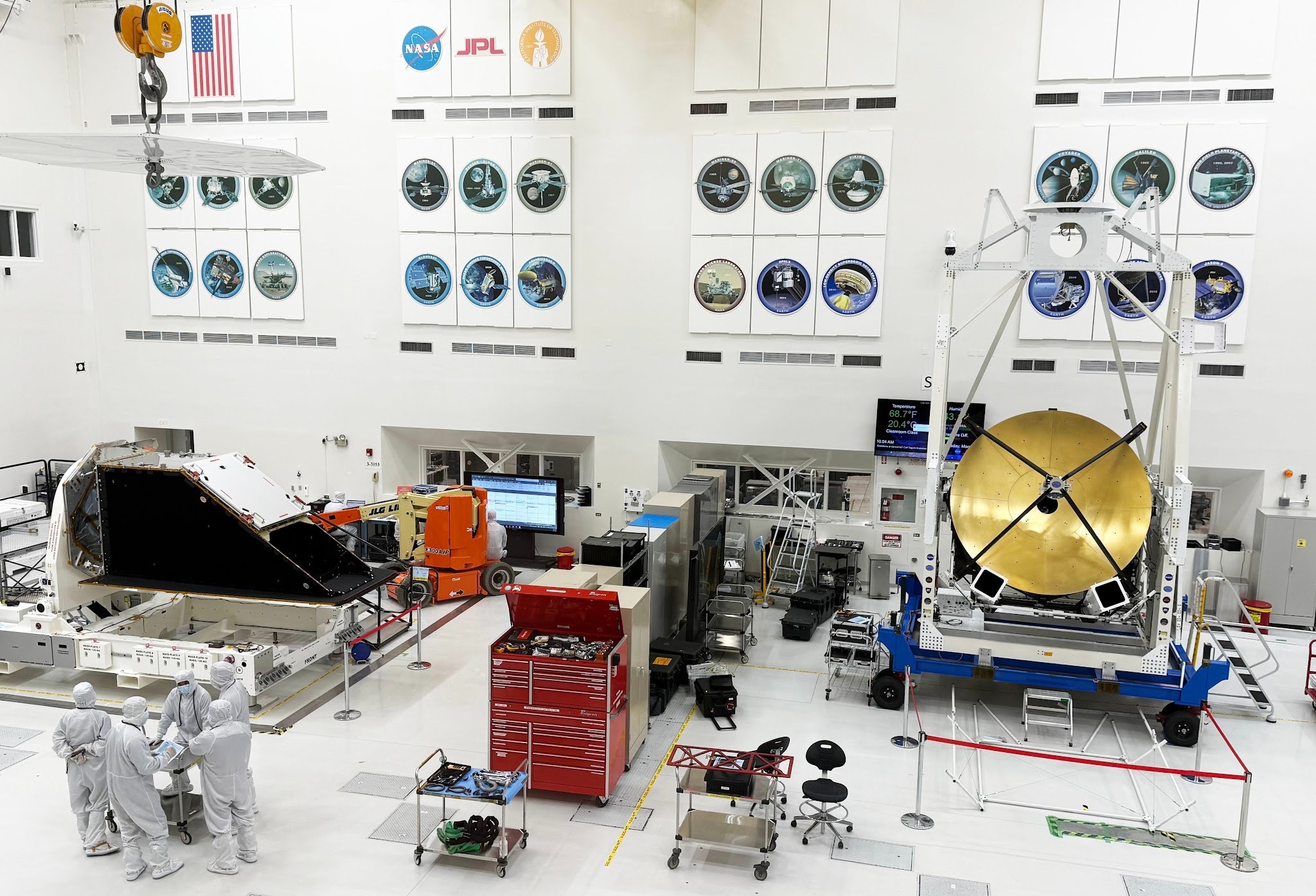
The ERNEST Project
One of JPL’s most promising current projects is the experimental robot ERNEST (Exploration Rover for Navigating Extreme Sloped Terrain). It was created as a platform to test new mobility and autonomy technologies. In the future, these innovations will be used in NASA’s upcoming expeditions to the Moon and Mars.
Unlike classic six-wheeled Mars rovers, ERNEST features an active suspension system that can adjust the position of each wheel individually. This capability allows it to overcome much tougher obstacles, climb steep slopes, and navigate areas where machines like Curiosity or Perseverance would simply get stuck.
Another standout feature of the project is its use of artificial intelligence algorithms. Before field testing, ERNEST underwent thousands of hours of training in a digital environment created by JPL specialists. Virtual models accurately simulated various soil types, lighting conditions, and obstacles. During tests in the Southern California desert, the robot autonomously drove about 26 kilometers. It required almost no help from operators. Its travel speed turned out to be roughly ten times faster than that of current NASA Mars rovers. According to JPL’s Chief Technologist, Issa Nesnas, these results are already helping to create next-generation robotic platforms for long-term lunar missions.
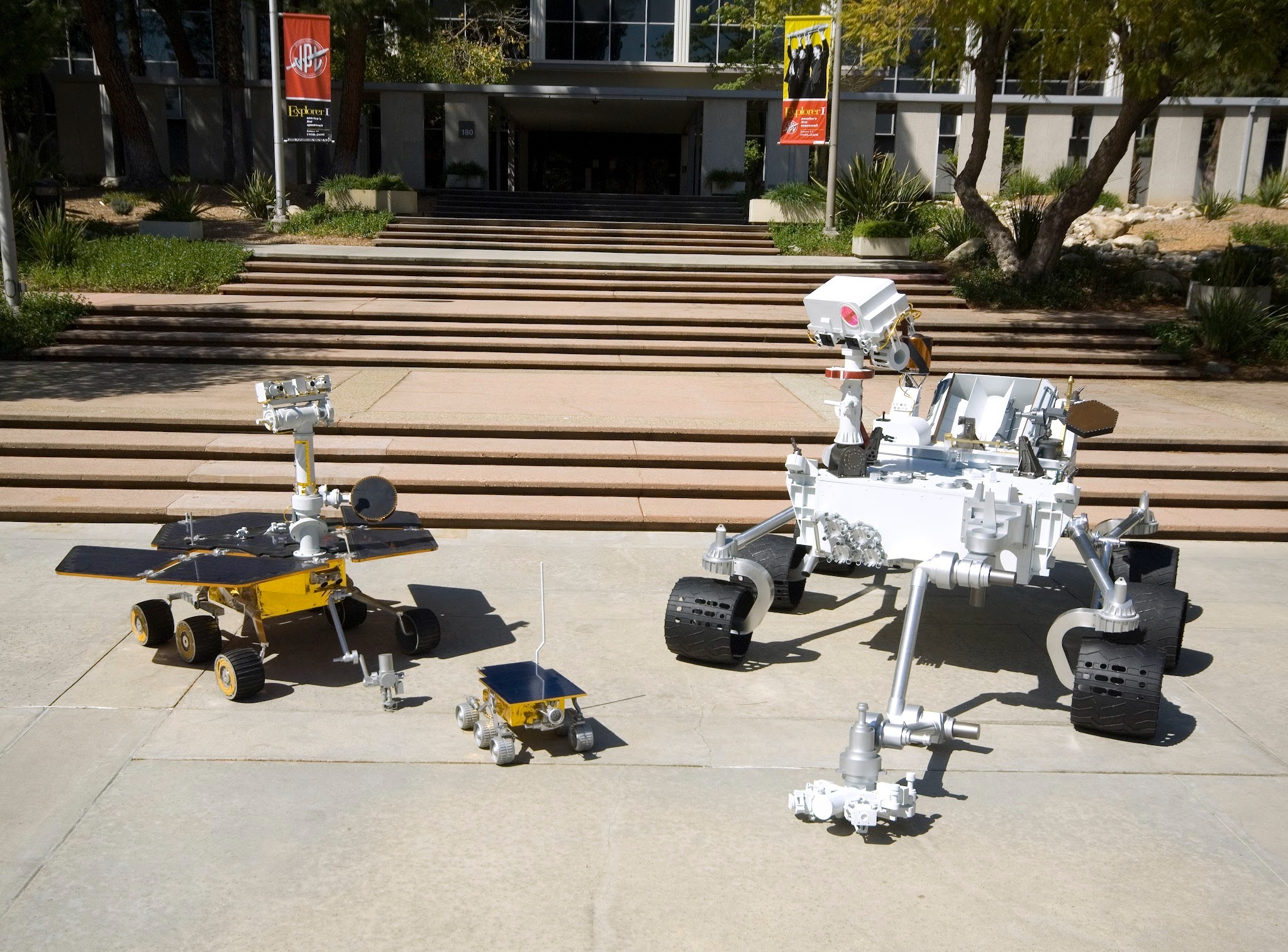
The Evolution of NASA’s Robotic Missions
For over six decades, the Jet Propulsion Laboratory has remained the primary hub for the robotic exploration of the solar system. JPL is the birthplace of digital space photography, autonomous navigation, and advanced landing systems. It is also where software for interplanetary flights, image processing algorithms, and high-precision spacecraft control systems were developed.
Most modern rovers are an evolutionary continuation of previous robot generations, which were also designed at JPL. Every mission brought invaluable engineering experience that laid the groundwork for future vehicles. For instance, the findings from the Sojourner project became the foundation for Spirit and Opportunity. Those technologies were refined to build Curiosity, and Curiosity’s technical solutions were later adapted for Perseverance. This principle of continuous improvement allows JPL to maintain its status as one of the most respected centers for space robotics on the planet.
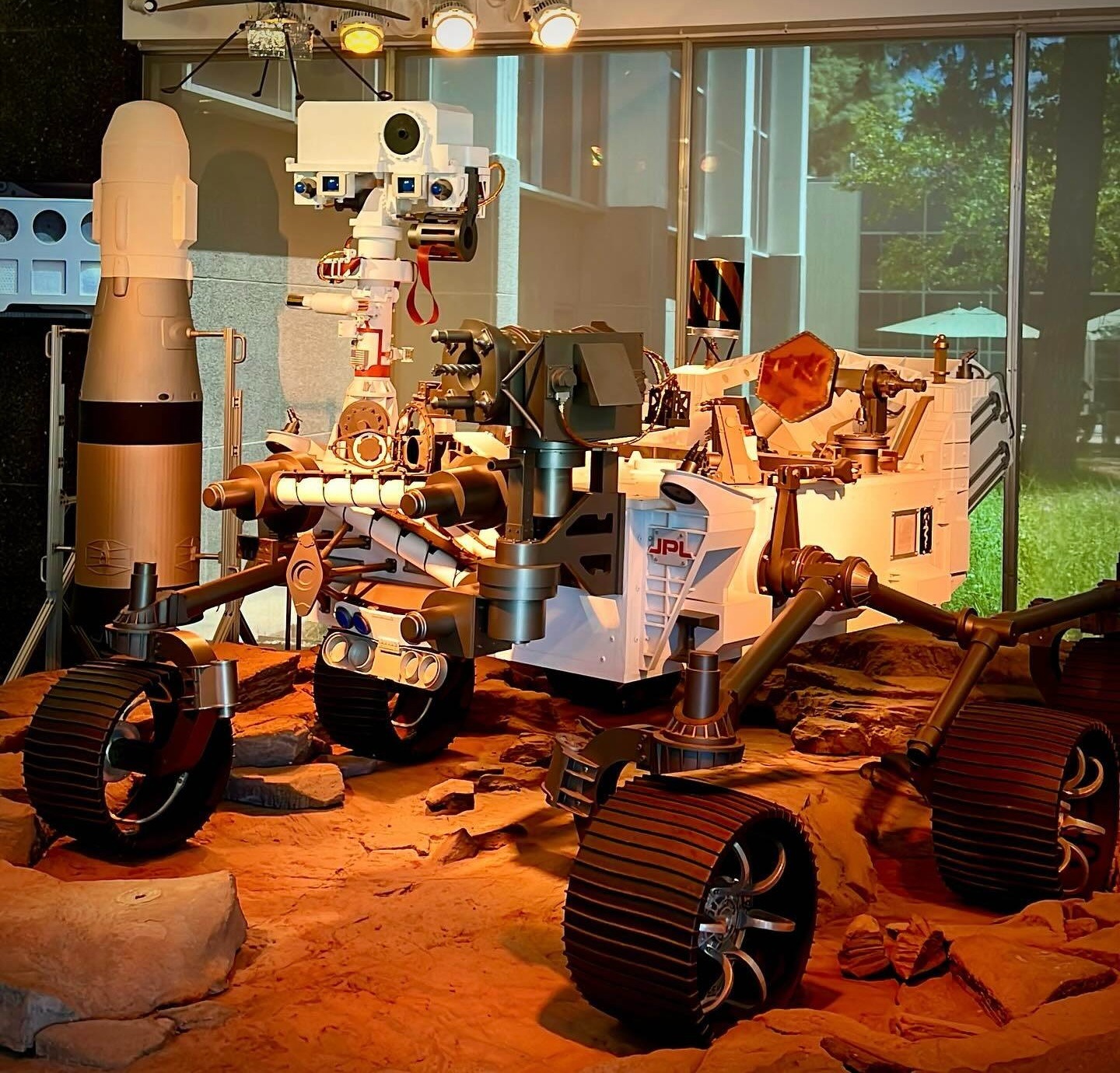
Missions to the Moon and Mars
The technologies born in JPL’s laboratories are currently shaping the future of solar system exploration. Autonomous algorithms, active suspension, artificial intelligence, and smart route planning will serve as the foundation for new, long-term expeditions under the Artemis program. These same innovations will power advanced lunar rovers and future missions aimed at bringing Martian soil samples back to Earth.
The ERNEST project clearly demonstrates that future robots will be able to move much faster, covering dozens of kilometers in a single mission. They will unlock regions that are currently considered unreachable. In parallel, the Deep Space Network continues to upgrade its antennas and digital communication systems. These enhancements are necessary to maintain contact with the next generation of spacecraft traveling ever further from our planet.
The engineering school of JPL in Pasadena rightfully remains one of the premier centers for the advancement of global space robotics. This is where the technologies that help us explore Mars today are being created. In the coming decades, these very developments will fuel a new era of lunar exploration and prepare humanity for future crewed expeditions to the Red Planet.
