

Food Access, formerly known as Sustainable Economic Enterprises of Los Angeles, is a non-profit organization dedicated to developing sustainable food systems by ensuring that everyone has equitable access to fresh, inexpensive locally produced food. In 2024, the workers and the board decided to change the name to better reflect the organization’s mission. Find out more at los-angeles.name.
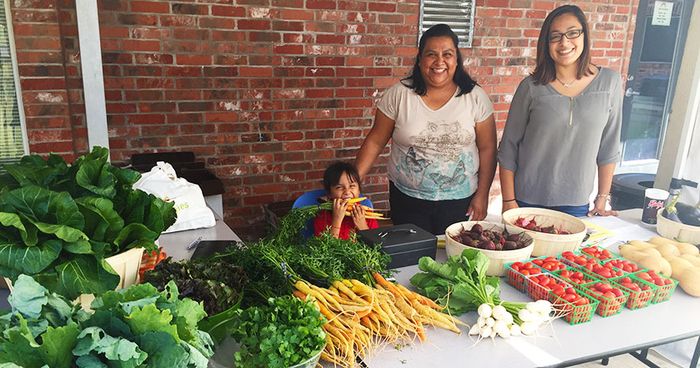
Every week, eight farmers’ markets in Los Angeles help small-scale agriculture and food and beverage companies, while also enhancing food security in underserved communities. They successfully organize community development initiatives like Market Match and WIC, which benefit California’s small and medium-sized farms and local small businesses. Learn about the smart city innovations that exist in Los Angeles here.
What determines food access?
Food access refers to the consistent availability of nutritious, high-quality products. Physical and economic accessibility are essential factors, as are production systems that promote the well-being of both producers and consumers.
Food access is shaped by a variety of structural, economic and social factors:
- Suitable agricultural land and weather conditions for consistent food production
- Sufficient agricultural labor and machinery to produce enough food
- Policies that encourage the production of nutritious foods for human consumption
- Adequate distribution networks that bring agricultural products to retail markets
- Availability of food markets for local residents
- Availability and affordability of fresh produce at nearby food markets
- Quality of food provided by food banks and donation centers
- Knowledge, skills and tools required for preparing fresh food
- Suitable products for preparing fresh food
- Available time to prepare fresh produce.
In fact, food access entails much more than simply having food to buy. Food and social systems that promote access to food are essential for ensuring consistent, equitable food access for everyone.
Measuring access to food
In 1983, the FAO expanded its definition of food security to include food access, whereas previous definitions focused on sufficient food availability or supply. The 1996 Rome Declaration on World Food Security broadened this definition to include four key measurements: physical accessibility, economic and physical access, food consumption and food sustainability. In 2020, a high-level group of experts from the Committee on World Food Security proposed a six-dimensional definition of food security that included the social component of food access.
- Economic access to food means that a person has enough money to buy food, whether in the official or unofficial food supply chain. This also covers all the items required for preparing and consuming food, such as pots, dishes, stoves, plates and firewood. High food prices or insufficient income can reduce economic access, while higher incomes, safety nets and other social security initiatives can increase it.
- Physical access refers to a person’s proximity to food sources. Increasing the proximity of the food market, such as through territorial markets that allow local farmers and retail outlets to buy and sell a variety of fresh items, helps to increase physical access to healthy food.
- Social access to food encompasses the social, cultural and political elements that influence a person’s ability to get food. Social access is influenced by both geopolitics and domestic politics. Policies may limit people’s access to nutrition or social security services based on demographics such as ethnicity or political affiliation.
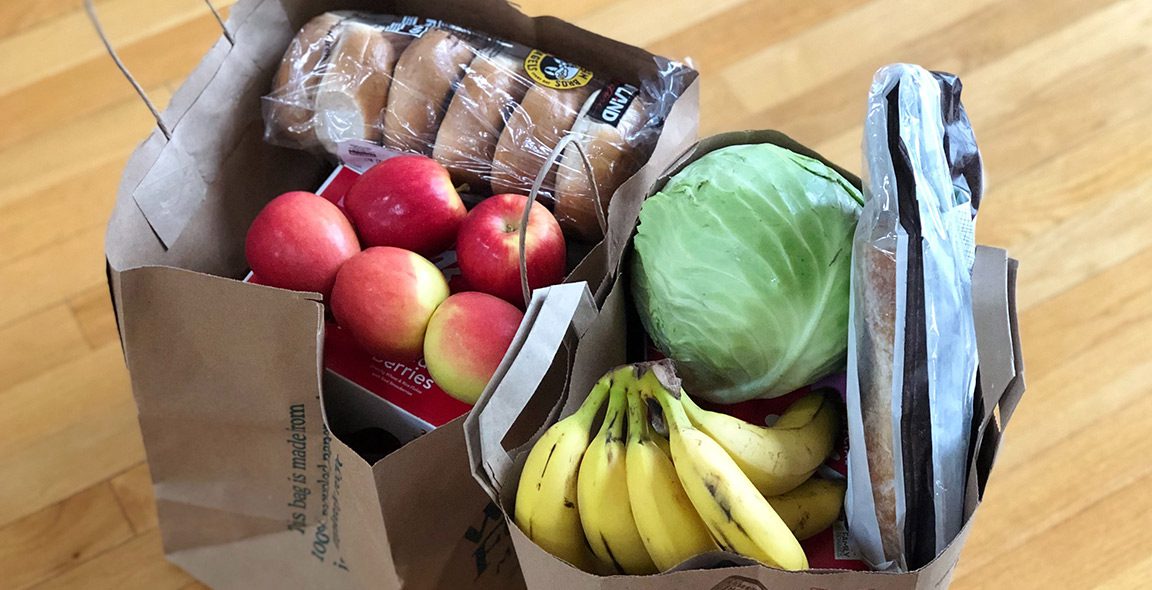
Income inequality and systemic racism cause significant disparities in food access throughout the United States. More than one-third of US households with incomes below the federal poverty level have difficulty accessing food.
According to the Los Angeles Centers for Disease Control and Prevention, inadequate nutrition is a major risk factor for chronic diseases including diabetes and heart disease. Frequent fast food consumption has been associated with heart disease, metabolic syndrome, certain cancers and insulin resistance. According to research, children who do not have consistent access to adequate food are more likely to develop anemia, asthma and oral health problems, as well as behavioral issues such as aggression and anxiety.
Food Access programs
The Pompea Smith Good Cooking/Buena Cocina Nutrition Education Program (PSGC) created by Food Access aims to educate the community. It specializes in providing children and adults with fun and hands-on nutrition and cooking classes. Through social networks, they offer lessons on a variety of topics. Among these are:
- How to properly read product labels?
- Why should you consume more vegetables and fruit?
- Why does physical activity matter?
- Understanding sugar, fat and salt in our everyday diets.
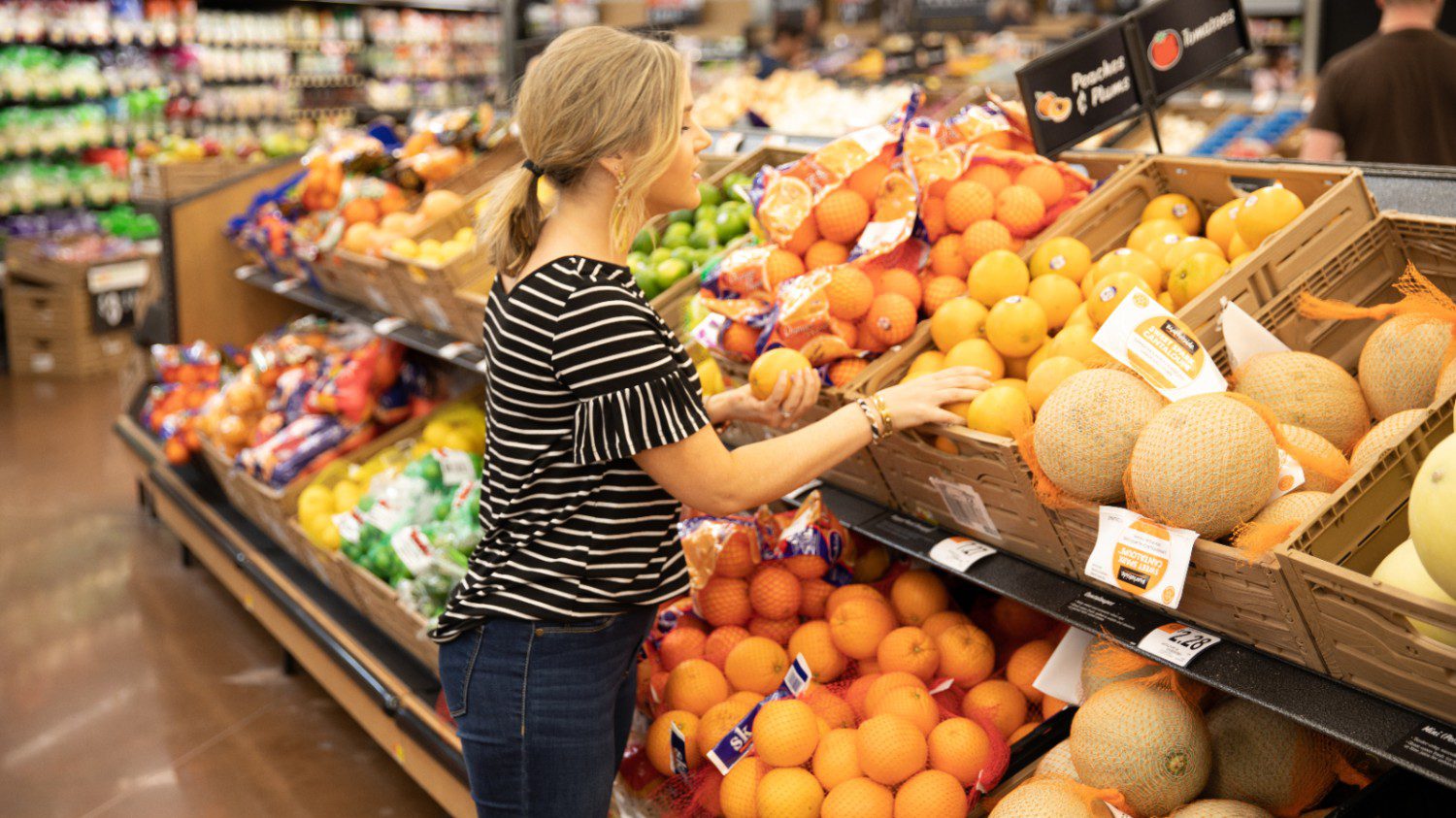
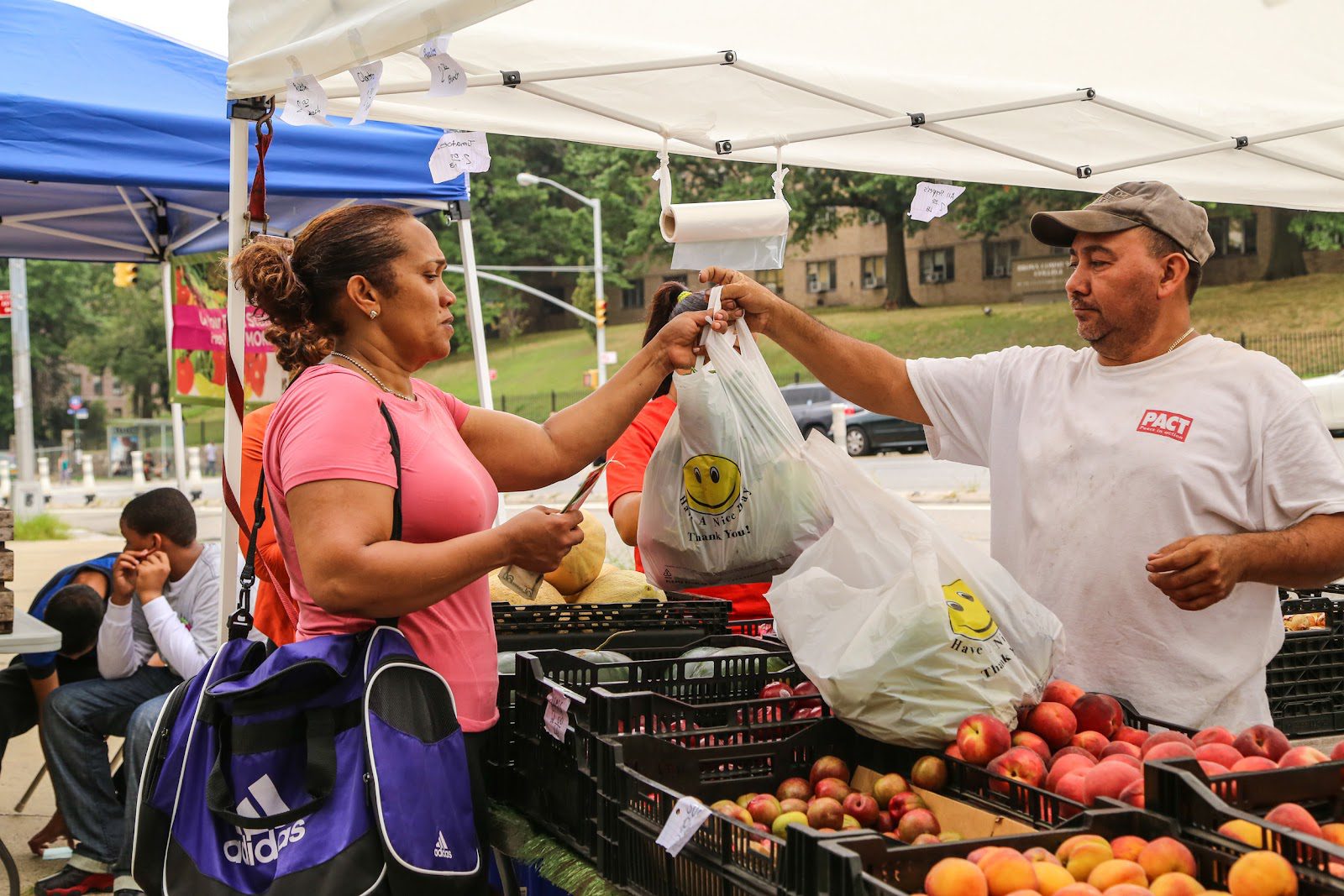
The team’s responsibilities also include assisting individual local producers in obtaining a certificate for sale at Food Access farmers’ markets. These markets employ more than 12 Los Angeles County farmers.
Over the last few years, the Food Access team has organized events in Los Angeles County in cooperation with the California Climate & Action Network, the Community Alliance of Family Farmers, the Los Angeles Food Policy Council, the USDA Farm Services Agency and others to allow local producers to communicate, meet with lawmakers and government representatives and form broad coalitions. They continue to collaborate with other food equality organizations throughout California. In particular, they work closely with the Los Angeles Food Policy Council.
Educational programs
Food Access provides educational programs in food, urban agriculture, small food business entrepreneurship and an online ordering platform, allowing more people to benefit from food aid. The team recognizes that long-term transformation necessitates a unique approach to the challenges confronting Los Angeles’ food systems. Markets and programs collaborate holistically to achieve large-scale improvements in food systems. The ANH Academy’s Food Access Research Community brings together researchers, students and practitioners from all around the world to exchange their findings and learn from one another.
In 2024, Food Access began cooperating with Take Action LA, CalMHSA, the Los Angeles County Department of Mental Health and Creative Life Mapping for Mental Health Month. Through this partnership, Food Access LA was able to broaden its wellness model to include Neighborhood Wellness, with each of the eight farmers’ markets serving as a hub for healthy food, local mental health, housing, health services, career, work and social service resources. Food Access LA has also collaborated with Creative Life Mapping to create community resource maps, which will help people access a variety of services and resources.