

In 1989, Murray Gregory showed that plastic debris can be found throughout the southwestern Pacific Ocean, with high densities of plastic in surface waters, as well as along the coast of Southern California. Los Angeles Name tells you more.
Research by AMRF and the Southern California Coastal Water Research Project found that plastic fragments smaller than 5 millimeters make up 30% of the mass of zooplankton in the water. In coastal waters near the San Gabriel River, plastic less than 5 millimeters in size was found to account for 60% of the zooplankton mass. Learn more about Los Angeles mineral springs.
Study of the purity of water bodies
The Los Angeles River has one site of mass discharge as permitted. However, the San Gabriel River has two sites of mass pollution. One site is located on the San Gabriel River and the other on its tributary, Coyote Creek. These two locations are upstream from where the Creek meets the Kiver.
Water samples were taken at the sites of the mass pollution during the dry and wet periods. A dry period was considered to be at least two weeks without rain and wet period samples were taken within 24 hours of rainfall. At each location, samples were collected in the middle and edge of the channel, as well as at the surface and near the bottom. For both wet and dry weather sampling, surface samples were collected in the center of the river. All samples were taken to the AMRF laboratory and analyzed there. The samples were sorted wet. Large garbage was sorted and placed in the appropriate category: natural plastic or artificial objects.
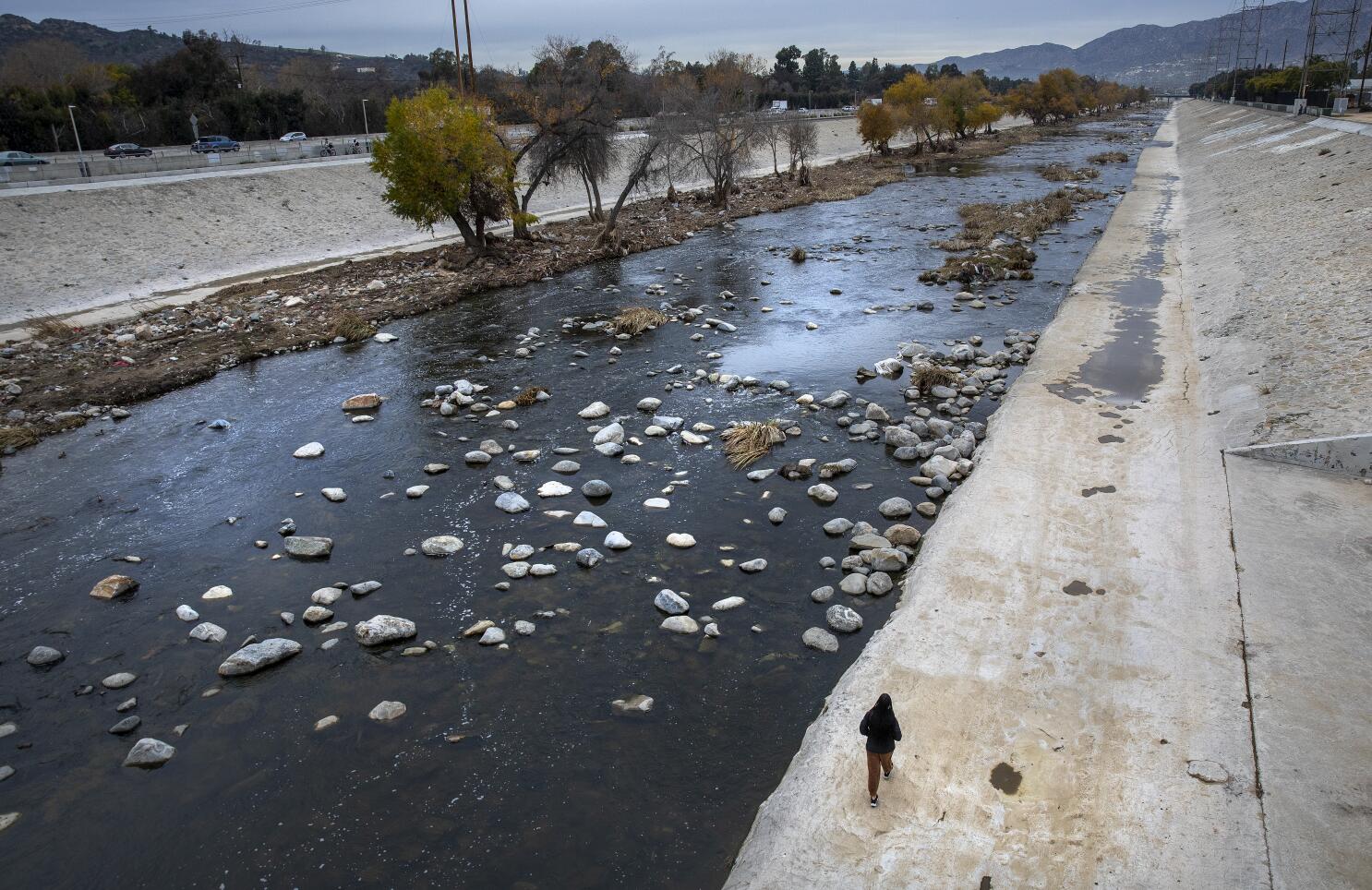
How polluted are the rivers?
The Los Angeles River stretches 56 miles from its headwaters in the San Fernando Valley, flowing past downtown Los Angeles and eventually draining into San Pedro Bay near Long Beach. The 834-mile watershed comprises residential (35%), commercial (5%), industrial (8%) and open land (51%). The river is divided into nine lanes and seven tributaries. A survey of the Los Angeles River found 127 storm drains and 105 of them were flowing.
The presence of algae and debris is constantly observed in the mouths of storm drains to the Los Angeles River. The amount of litter varies, with 23% classified as having a dense surface cover. However, 70% of water bodies have algae that exceed 50% surface coverage.
The greatest number and density of garbage was recorded on November 22, 2004 in the Los Angeles River after a light rain. Overall, the most common type of debris in Coyote Creek was plastic fragments, while in the nearby San Gabriel River, foamed plastic was the most common. In the Los Angeles River, foam plastic has been recorded significantly more often than any other type of litter.
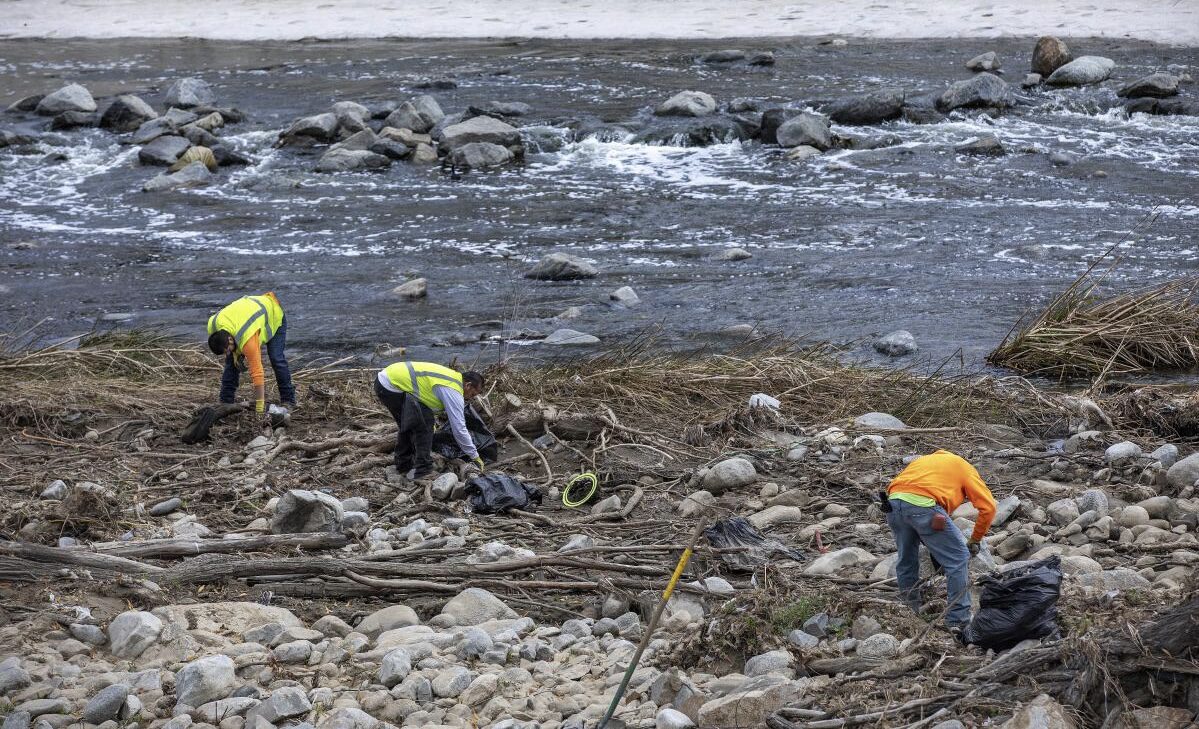
The significant presence of plastics in the river means a huge presence in the food-related industries, as much of it comes from food packaging. This fact raises concerns that the city’s plastic bag ban, which only applies to supermarkets, is clearly insufficient. This ban does not apply to prepackaged processed foods or fast food outlets, making it difficult to expect a significant reduction in litter in the river.
Metal was also commonly found in the river, especially on Willow Street. In the territory of the estuary, it accounted for 20% of the total weight of garbage. More exotic items in the litter category include shopping trolleys, hatch covers, traffic cones and tires. These items indicate that dumping into the river is still a problem, as they could not have been transported through the stormwater system or by waterway.
The two river systems differed in litter density, with the Coyote Creek and San Gabriel complex having higher densities of whole objects, while the Los Angeles River had the highest density of industrial plastic pellets. Pellets were found in both rivers and were the second most common material found after Styrofoam in the Los Angeles River. Abundant plastic debris was found in both rivers, during wet and dry periods.
The largest mass releases of nutrients are recorded from the WRP. WRPs contributed 85% of ammonia and 82% of total phosphate to river tributaries and stormwater runoff. In contrast, nearly 100% of enterococci and total coliform mass releases were from stormwater and influent discharges and not from WRP. Relative mass emissions of trace elements varied between sources by metal. WRP accounted for 73% and 79% of copper and zinc, respectively. On the other hand, tributaries and stormwater runoff combined accounted for 100% of the mass releases of lead and nickel to the Los Angeles River.
Unless action is taken to deal with litter less than 5 millimeters in diameter, billions of plastic particles a day can make their way into the marine ecosystem, where they exist in all layers of the water column. They are easily absorbed by various marine invertebrates, firmly embedded in the tissue of living organisms and appear in the stomachs of many species of sea fish and birds.
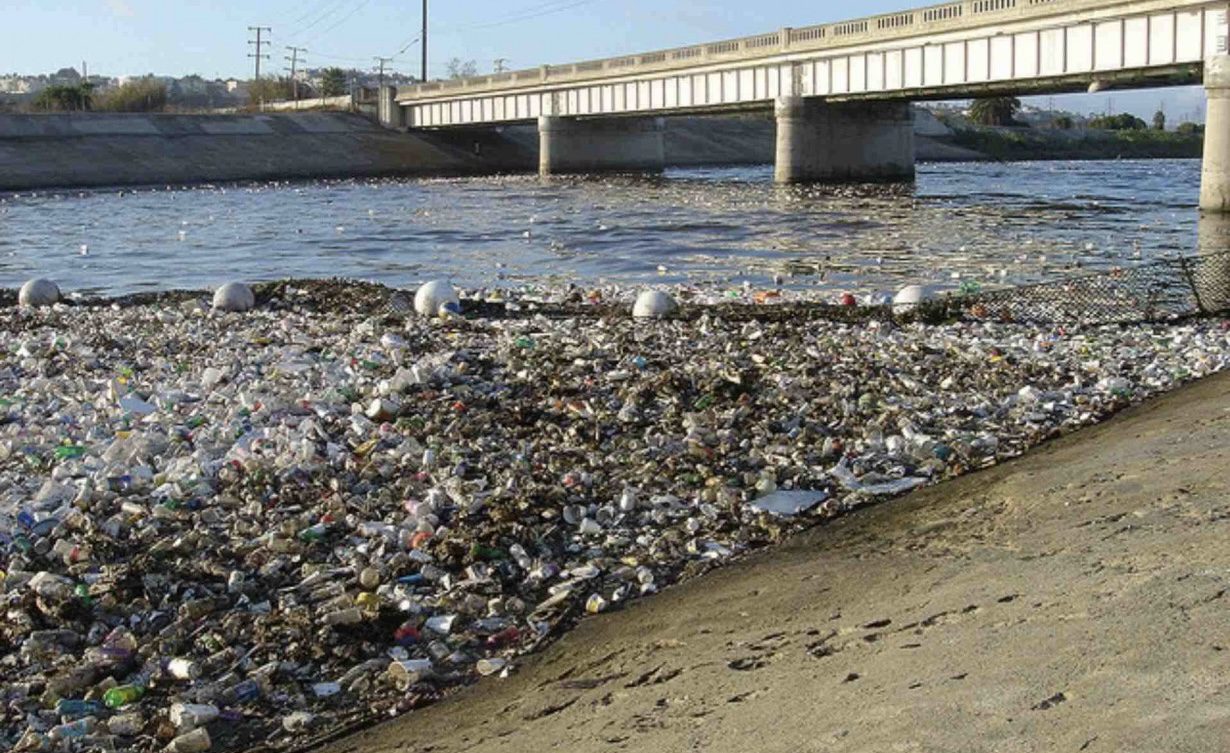
Pollution of the river by people and industry
The total amount and relative individual size of trash in the river has decreased significantly since a shift in community consciousness in the 1970s. As a result, citizens view the river as more than a convenient dumping ground. In the early days of river cleaning, heavy trucks, winches and cranes were needed to remove cars and large appliances. Nowadays, it can be characterized mainly as urban street litter.
The results of the study show that commercial and industrial areas pollute the river almost five times more than residential and open spaces. These findings are in line with the results of a national waste awareness survey.
Commercial and industrial areas, especially on the periphery with low traffic levels, tend to have a much weaker sense of individual responsibility for waste sorting. As garbage accumulates visibly, it becomes increasingly difficult to maintain social norms against littering. Different strategies are needed to change the perception of companies.
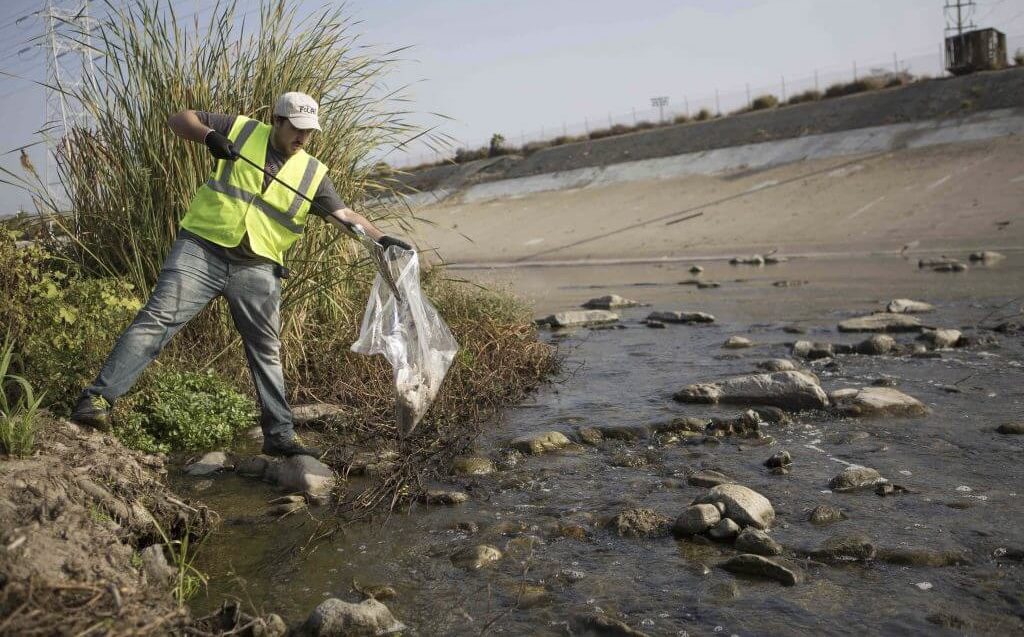
Cleaning the river
Concerned about the state of the Los Angeles River, the Great Water Cleanup began in 1990 with the goal of bringing people to the banks of the Los Angeles River and giving them a chance to see it as a part of a local environment that needs to be sustained.
In September 2001, the EPA adopted the Los Angeles River Trash Total Maximum Daily Load (TMDL). It requires cities in Southern California to reduce their trash input to the Los Angeles River by 10% each year for 10 years with a goal of zero trash until 2015. These goals were accomplished through public outreach, street sweeping and the installation of basin inserts that capture debris in the stormwater system and prevent it from being carried into the river. In May 2012, the Los Angeles City Council voted to ban plastic bags in supermarkets throughout the city. Together with the Los Angeles County plastic bag ban that had been voted down a year earlier, the scale was unprecedented. While the City and County of Los Angeles have made great strides in complying with TMDL requirements and banning plastic bags, it is clear that much more needs to be done to improve the condition of the river.
