

For decades, the Ragdoll has held its status as a top choice for cat lovers worldwide. Developed in California during the mid-20th century, the Ragdoll combines impressive size and striking blue eyes with an exceptionally calm, people-oriented temperament. Often called the ultimate companion cat, the breed has gained massive popularity across the U.S., Europe, and the UK. The history of the Ragdoll breed is well-documented, rooted in the selective breeding efforts of American breeder Ann Baker in California. But how did it all begin, and what makes these animals so unique? Read more at los-angeles.name.
Origins of the Breed
The Ragdoll is not an “ancient” or natural breed; its origins are precisely documented, starting in Riverside, California, in the early 1960s. The founder, Ann Baker, was an American breeder working with non-pedigreed domestic cats. The central figure in the breed’s history was Josephine, a white long-haired domestic cat. While Josephine wasn’t a recognized breed herself, she eventually began producing litters with an unusually placid and balanced temperament. These kittens displayed extraordinary gentleness, a craving for human contact, and a signature trait: they would go completely limp when picked up.
Baker was captivated by these behavioral traits. From these early litters came the foundation cats for the future breed. A black cat named Blackie and a seal point male with white paws known as Daddy Warbucks played pivotal roles. They sired Fugianna and Buckwheat—Josephine’s daughters—through whom the lineage of all modern Ragdolls can be traced.
Ann Baker took an unconventional path in developing the breed. She trademarked the name “Ragdoll” and established her own registry, the International Ragdoll Cat Association (IRCA). The association imposed strict rules, banning breeders from registering Ragdolls with any other feline organizations. This caused a rift, and by the mid-1970s, breeders Denny and Laura Dayton broke away from the IRCA. Their goal was to achieve international recognition for the breed. It was their dedication to standardization that formed the basis of the modern Ragdoll standard recognized today by major organizations like the Cat Fanciers’ Association (CFA) and the Fédération Internationale Féline (FIFe). As the breed grew in the U.S., several cats were exported to the UK, establishing the Ragdoll in Europe and leading to official recognition by the Governing Council of the Cat Fancy (GCCF).
Personality and Temperament
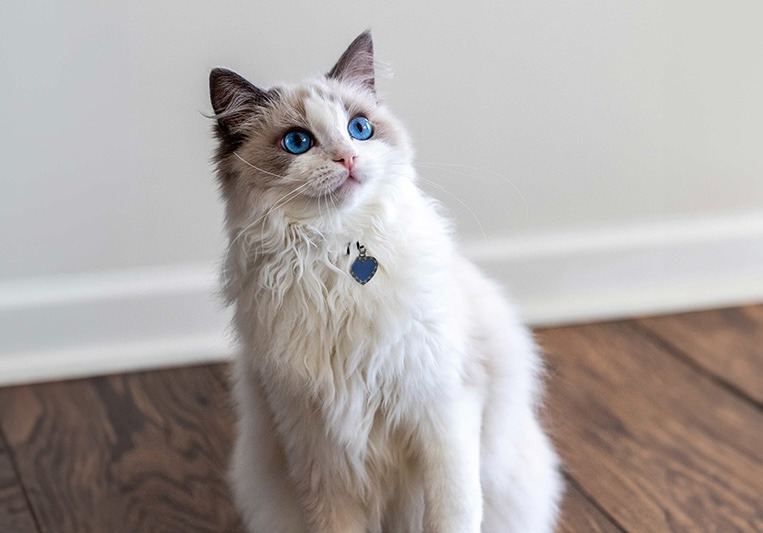
For the Ragdoll, personality is just as important as appearance. Official breed descriptions emphasize their gentleness, intelligence, and high sociability. They are deeply people-oriented, forming strong emotional bonds and often following their owners from room to room—a trait that has earned them the nickname “puppy cats.”
These cats are highly trainable, often learning to play fetch, and they remain playful well into their senior years. Unlike many other breeds, Ragdolls aren’t typically dominant or aggressive and generally prefer staying off high shelves and counters. While myths persist about Ragdolls having a higher pain threshold, veterinary data does not support this. In fact, their extreme docility has sparked debate among some European breeders, who worry that such an accommodating nature might not always serve the animal’s best interests in terms of self-preservation.
Breed Standards
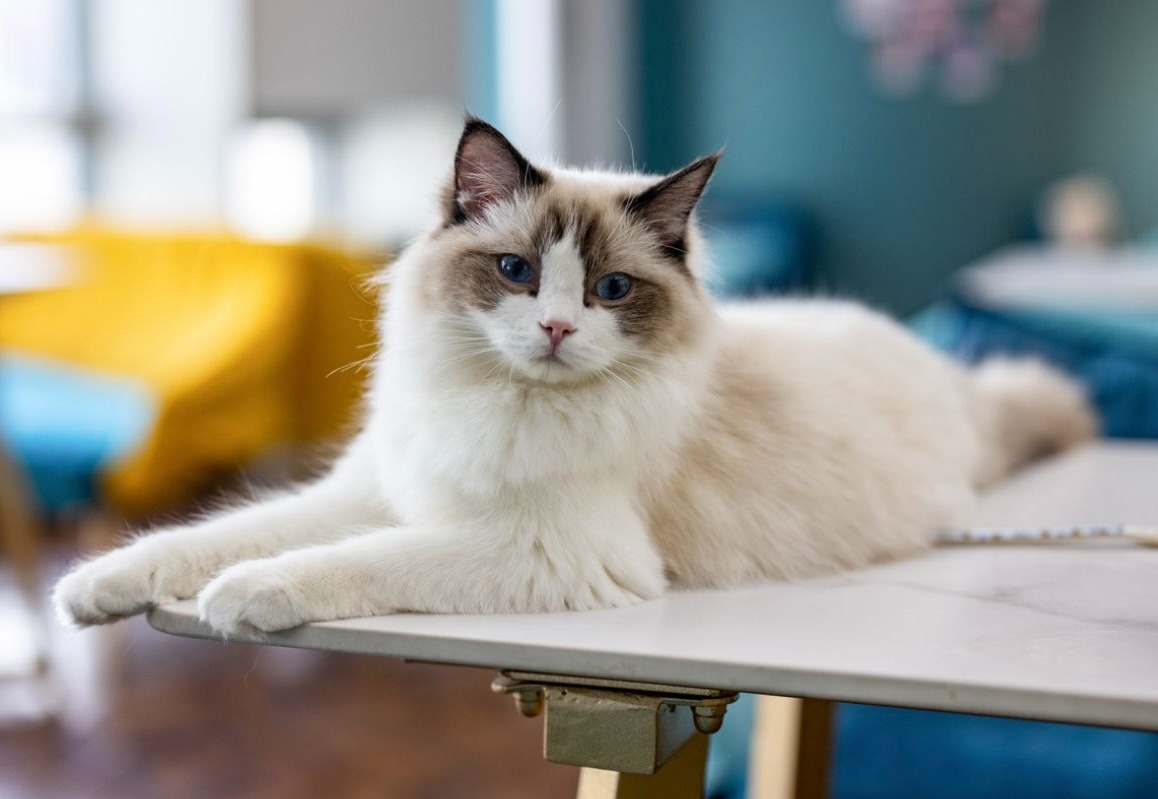
Ragdolls are among the largest domestic cat breeds. Adult females typically weigh between 8 and 15 pounds, while males often exceed 20 pounds. They are slow to mature, often taking three to four years to reach full physical size.
The breed is characterized by a sturdy build, broad chest, and a long, muscular body. They have a wide head with a flat top and a significant span between the ears. Their long, bushy tails and large, tufted paws complete the look. However, the true hallmark of a Ragdoll is its eyes: large, oval, and always a vivid blue. The color-point gene is responsible for this hue, and in the show ring, a deeper blue is highly prized.
Their coat is semi-long and silky with minimal undercoat, which makes them less prone to matting and shedding compared to other long-haired breeds—though regular grooming is still a must. As they mature, they develop a majestic “ruff” around the neck and “knickerbockers” on their hind legs.
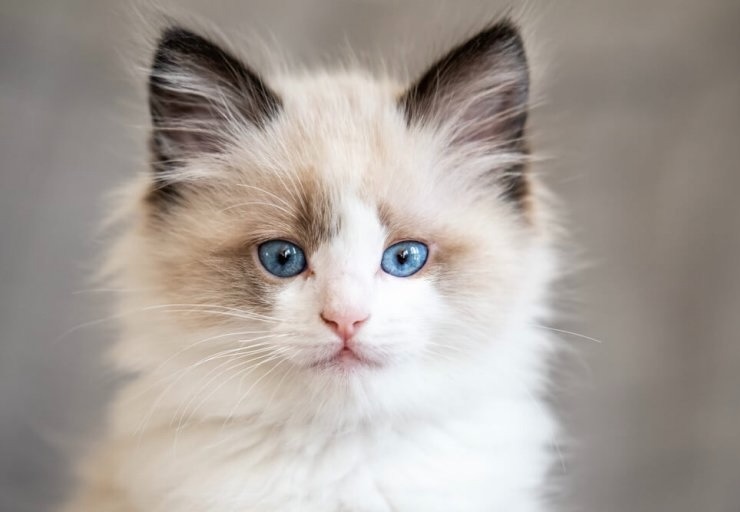
Ragdoll kittens are born pure white. Their points start appearing around two months of age, and their final coat color isn’t fully set until age three or four. The breed comes in six primary colors—including seal, chocolate, red, and their dilute versions: blue, lilac, and cream. Patterns include colorpoint, mitted, and bicolor, along with lynx (tabby) and tortoiseshell variations. All these variations are strictly governed by feline registries.
Health and Genetic Risks
Veterinary data from the UK and Scandinavia suggests a Ragdoll’s average lifespan is around ten years, slightly lower than the average for domestic cats. The breed has a predisposition to certain conditions, specifically bladder stones (urolithiasis) and Hypertrophic Cardiomyopathy (HCM). HCM in Ragdolls is linked to a mutation in the MYBPC3 gene and is inherited as an autosomal dominant trait. Because the frequency of this mutation varies by region, responsible breeders prioritize genetic testing. Interestingly, research shows Ragdolls may be less prone to diabetes than non-pedigreed cats, which is a positive factor for long-term care.
Breeding is strictly regulated by CFA, FIFe, and GCCF standards, which define acceptable colors and coat types. To minimize hereditary risks, breeding programs require mandatory screening for HCM and urolithiasis. Furthermore, reputable breeders maintain meticulous records, documenting lineages and ensuring kittens are properly socialized from birth.
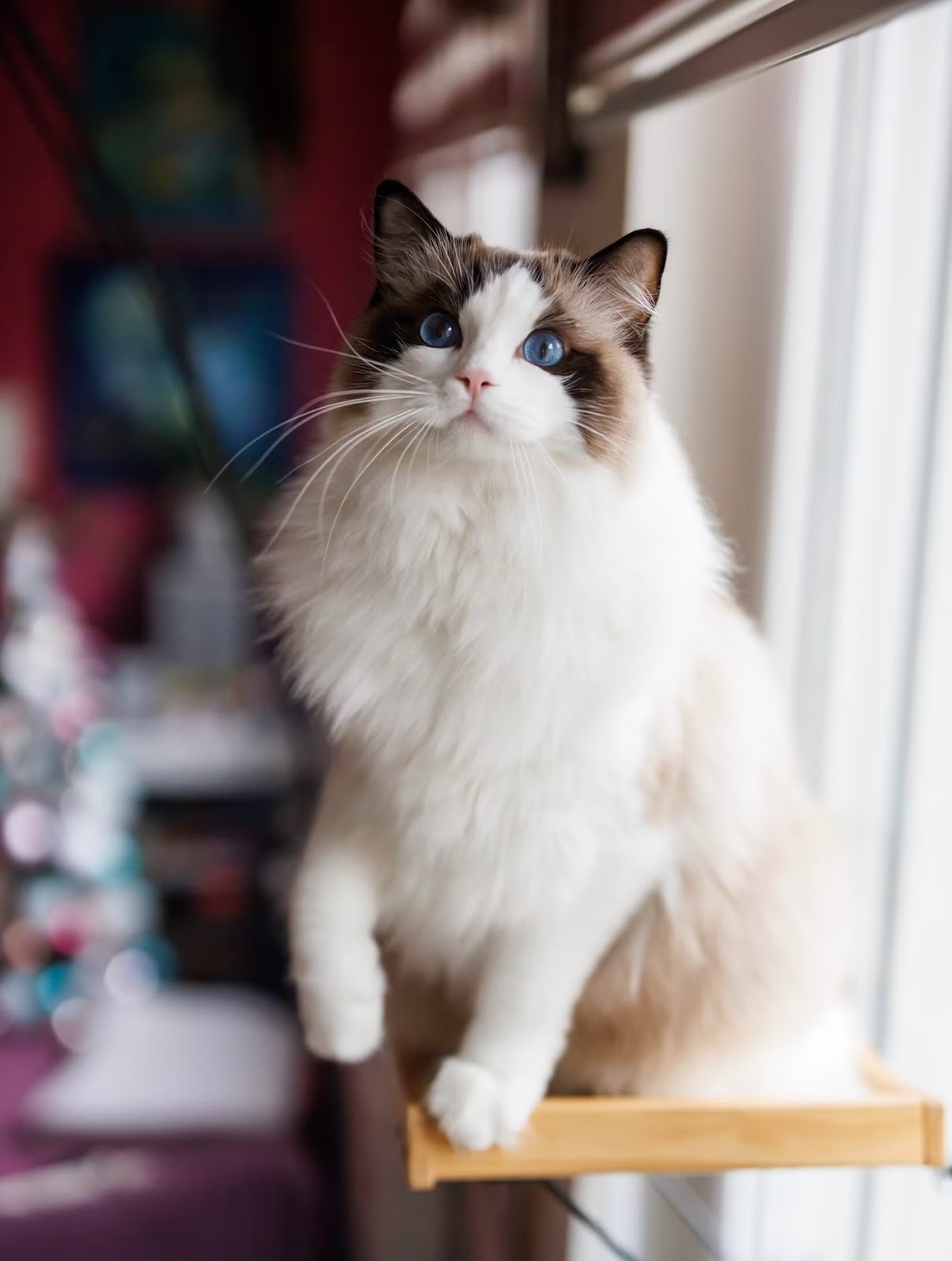
The Ragdoll is a breed with a clear history, a unique temperament, and an iconic look. They serve as a prime example of how selective breeding can shape not just physical features, but a pet’s entire behavioral profile. It is this perfect blend of impressive size, gentle nature, and human-centric devotion that has made the Ragdoll a worldwide favorite.