

Many publications have pointed out that the California hurriquake represents ‘a unique intersection of nature’s fury.’ This scenario involves a hurricane and an earthquake occurring simultaneously or in following one another. Interestingly, this is not a scientific term but rather a casual way to describe it. A hurricane is a massive swirling storm that forms above warm ocean waters, with winds reaching speeds of approximately 74 mph. In contrast, an earthquake is characterized by sudden ground movements resulting from the shifting of tectonic plates. Both of these natural events can pose serious risks, causing considerable destruction and potentially resulting in loss of life. For more insights, check out Los Angeles Name.
A brief history of hurricanes and tropical storms in California
Surprisingly, California hasn’t experienced as many hurricanes and tropical storms as one might think. This is largely due to the cooler ocean temperatures and a persistent high-pressure system in the region, which limits the storms’ ability to strengthen enough to reach the coast. Here are some notable examples that have left their mark in history.
- The famous San Diego hurricane that struck California made landfall on October 2, 1858. Unfortunately, there are no historical records or videotapes available to provide a more comprehensive understanding of the events of those days. However, researchers Michael Chenoweth and Christopher Landsea were able to collect various newspaper articles and weather reports from that period. Local newspapers reported it was the most powerful hurricane ever seen in San Diego. Back in 1858, the effects of a hurricane in California were felt primarily along the coast from San Diego to Long Beach. The intense rainfall caused significant inland flooding.
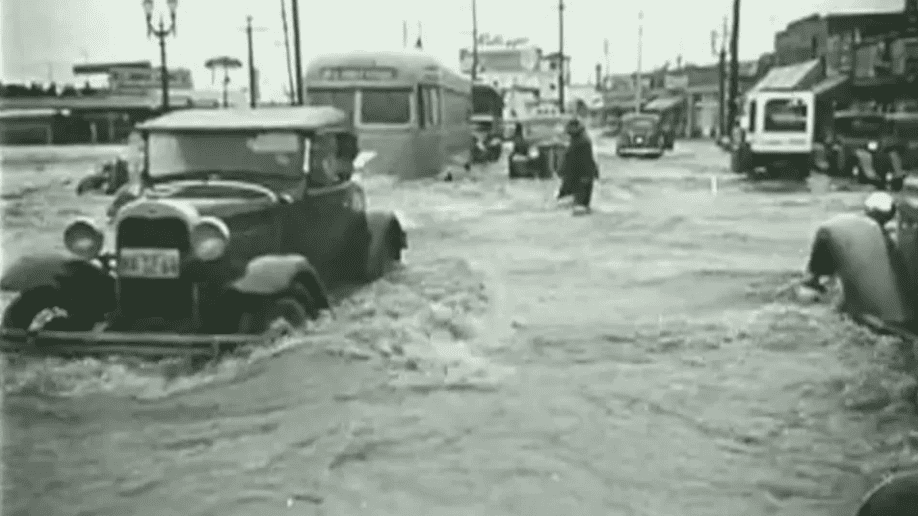
- In September 1939, California was struck by a tropical storm that developed into a hurricane. It originated off the coast of Panama but rapidly intensified into a hurricane. According to the National Oceanic and Atmospheric Administration (NOAA), September 22, 1939, set the record for the lowest pressure ever recorded. At that time, the center of the storm was off the coast of Cabo San Lucas. Just two days later, southeast winds picked up to 50 miles per hour, unleashing heavy rainfall in Los Angeles that exceeded 5 inches. At the same time, Mount Wilson experienced an impressive 11.6 inches of rain. This led to a significant flood that swept away homes and vehicles. Historic photos documenting this event have been preserved in an archive. A tropical storm that struck California in September 1939 resulted in the tragic loss of 45 lives and caused around two million dollars in damages, as reported by NOAA.
- In September 1978, Southern California was hit by Hurricane Norman. The storm caused over 300 million dollars in damage and devastated the California raisin crop. Tragically, four individuals lost their lives on Mount Whitney due to the natural disaster.
2023 California hurriquake
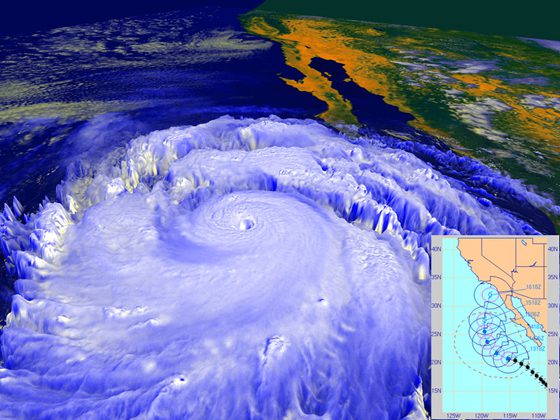
In an extraordinary turn of events on August 20, 2023, California experienced the convergence of a hurricane and an earthquake, a phenomenon known as a hurriquake. This unusual event was mainly caused by Tropical Storm Hillary, which intensified while traveling westward over the warm waters of the Pacific Ocean. As of August 18, meteorologists had noted wind speeds hitting an astonishing 150 mph.
As Tropical Storm Hillary neared Southern California, delivering intense rain and strong winds, an earthquake hit close to Ojai. The simultaneous arrival of these two powerful natural events left many residents feeling bewildered and anxious. Social media buzzed with activity as people shared their experiences and reactions, rallying around the hashtag #hurriquake.
California hurriquake and its aftermath
It’s important to take a closer look at the impacts from different angles, including how they affect the environment, infrastructure and people.
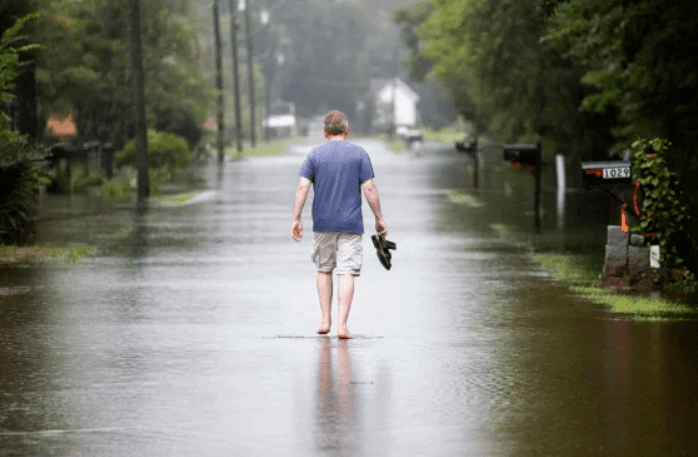
The National Weather Service (NWS) reported that the 2023 California hurriquake triggered significant, life-threatening floods in Southern California and Nevada. Flash floods were observed in Los Angeles and Ventura counties, among other locations.
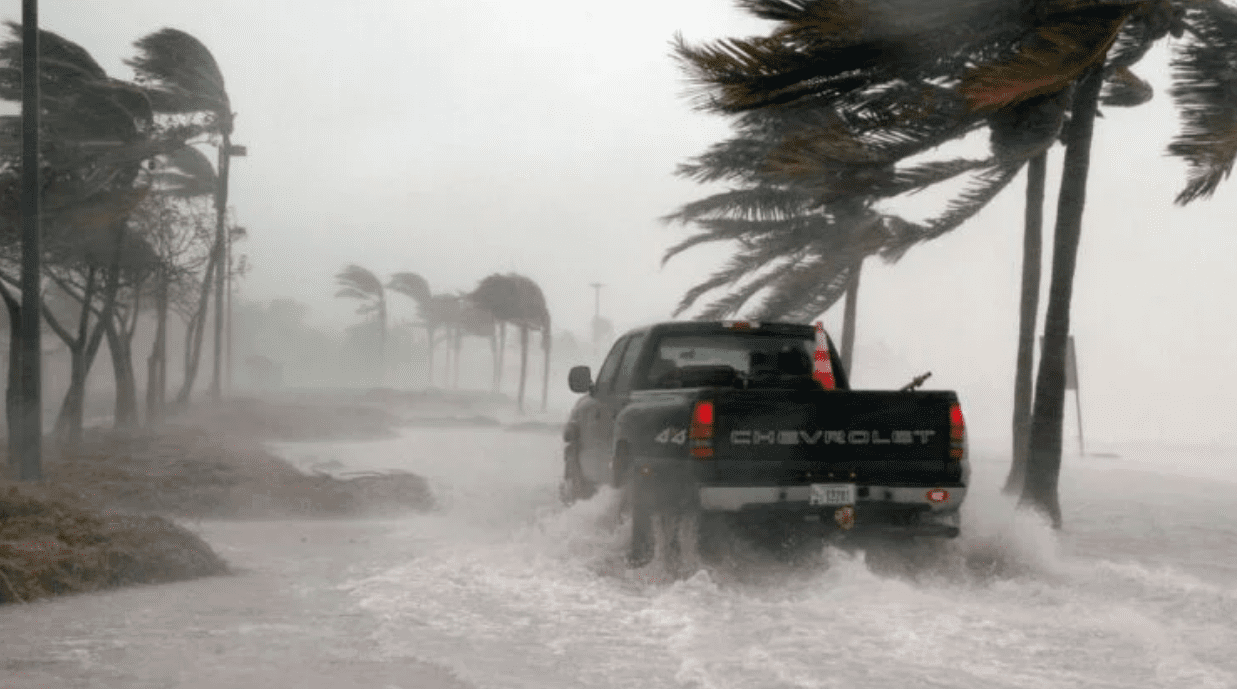
The hurriquake caused mudslides and debris flows in multiple areas. Strong winds toppled trees and power lines, causing extensive power disruptions for tens of thousands of residents. Furthermore, the hurriquake created high surf and severe rip currents throughout the shore, making swimming and surfing hazardous.
The hurriquake caused significant destruction to infrastructure, damaging roads, homes, buildings and bridges. This natural disaster profoundly impacted the lives of millions of people in Southern California and Nevada. For instance, schools in these regions were forced to close due to the hurriquake’s aftermath and numerous events—including a preseason game for the Los Angeles Rams, a concert at the Hollywood Bowl and a fireworks show at Disneyland—were canceled. Many residents had to leave their homes or cars behind. In general, residents of California felt heightened emotions of fear, anxiety and stress, particularly those who had never encountered a situation like this before.
Step-by-step preparation
In the lead-up to and following this rare and unpredictable event, step-by-step guidance has begun to emerge on how to prepare for a hurriquake.
- First and foremost, it’s crucial to gather essential supplies for you and your family, including water, non-perishable food and medical necessities.
- Having a well-defined emergency plan is crucial. This includes detailed communication methods and designated meeting spots for your family members.
- Stay informed about current events by frequently monitoring weather forecasts and seismic activity reports.
- When a hurricane hits, you must stay indoors and be ready for evacuation if you reside in a flood-prone area. Be cautious of potential landslides caused by heavy rain and ground movement and maintain a safe distance from coastal buildings that could be at risk.
- Also, remember to consider backup power! If you come across any kind of electrified debris, be sure to stay at a safe distance from it.
Above all, prioritize your safety during a hurricane. A useful way to remember what to do is to follow the three-step motto, ‘Drop, Cover and Hold On.’
A fascinating anomaly
Certainly! When looking at California‘s weather patterns, it’s clear that the state has some natural protection against hurricanes, although these storms can still occur under certain conditions. A few important factors contribute to this barrier. Cooler sea surface temperatures, dry and stable atmospheric conditions and strong winds all make it difficult for typical hurricanes to hit California. Although tropical cyclones can make their way to the area, they usually weaken and become tropical storms because of these environmental obstacles.
Each of these protective factors is crucial. The cold water helps prevent hurricanes from forming near California, while warm ocean waters provide the energy needed for these storms to develop and intensify. When a tropical cyclone brings rainfall, the presence of cold water can diminish the storm’s strength.
California is protected from frequent hurricanes due to upper-level steering winds. These winds act like an invisible barrier, preventing the formation of tropical cyclones and regulating their development.
The third deterring factor is high subtropical pressure, which creates unfavorable conditions for the formation and strengthening of hurricanes.
Though rare, the California hurriquake has become a defining experience for many. It highlights the tremendous force of nature, the importance of being ready for unforeseen circumstances and the courage people show in difficult situations.