

Located within Irvine Regional Park, this compact zoo spans approximately 8 acres, nestled inside a sprawling 477-acre natural preserve. Despite its small footprint, the zoo plays a crucial role in education and conservation by introducing visitors to the diverse wildlife of the American Southwest and Northern Mexico. It’s the perfect destination for a family getaway, seamlessly blending environmental education, serene nature, and accessibility for all ages. Read more at los-angeles.name.
A Look Back at Its History
The zoo’s roots trace back to the early 20th century. The first animals—red foxes bred by J.A. Turner—arrived on the property in 1905. By 1920, a local farmer named Sam Nau had started a small animal collection, keeping a pair of mule deer and building a dedicated enclosure for them.
The collection steadily grew over the years. In 1935, a bird exhibit was introduced, featuring cockatoos, quail, doves, and parrots. However, the alligator enclosure quickly became a crowd favorite, remaining the main attraction for a long time.
The modern facility officially opened its doors in 1985 as the Irvine Park Zoo. Today, it is owned and operated by Orange County, which oversees its daily operations, future development, and animal care. Welcoming over 200,000 visitors annually, the zoo is home to more than 100 animals of various species. Its intimate size hasn’t stopped it from becoming one of California’s most beloved local zoos.
Conservation Mission
The Orange County Zoo focuses primarily on wildlife native to North America, especially the western and southwestern United States. Residents include American black bears, bald eagles, coyotes, mountain lions, owls, mule deer, North American porcupines, red-tailed hawks, and turkey vultures. Notably, most of these animals weren’t captured for display. Instead, they are rescued individuals—often injured, orphaned, or confiscated—that can no longer survive in the wild.
Here, they receive the specialized care they need and serve as “animal ambassadors.” Through these rescued residents, visitors learn about the vital importance of wildlife conservation and peaceful coexistence with nature.
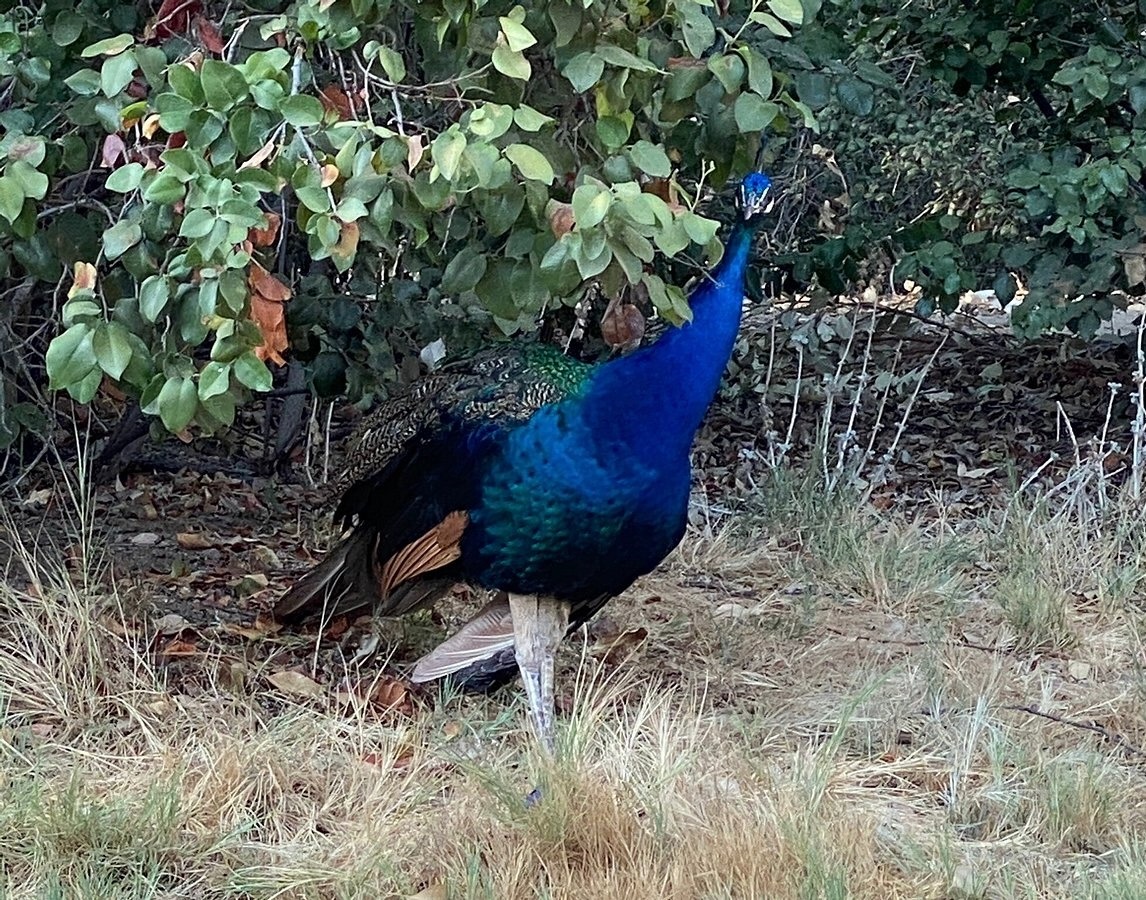
Beyond its wild inhabitants, the zoo features a dedicated barnyard area with domestic species. Visitors can meet goats, Jacob sheep, doves, and pheasants. It’s an interactive experience: guests can do more than just watch, as they’re allowed to pet the animals and feed them special grain. This hands-on approach is a massive hit with kids and helps foster a lifelong empathy for animals.
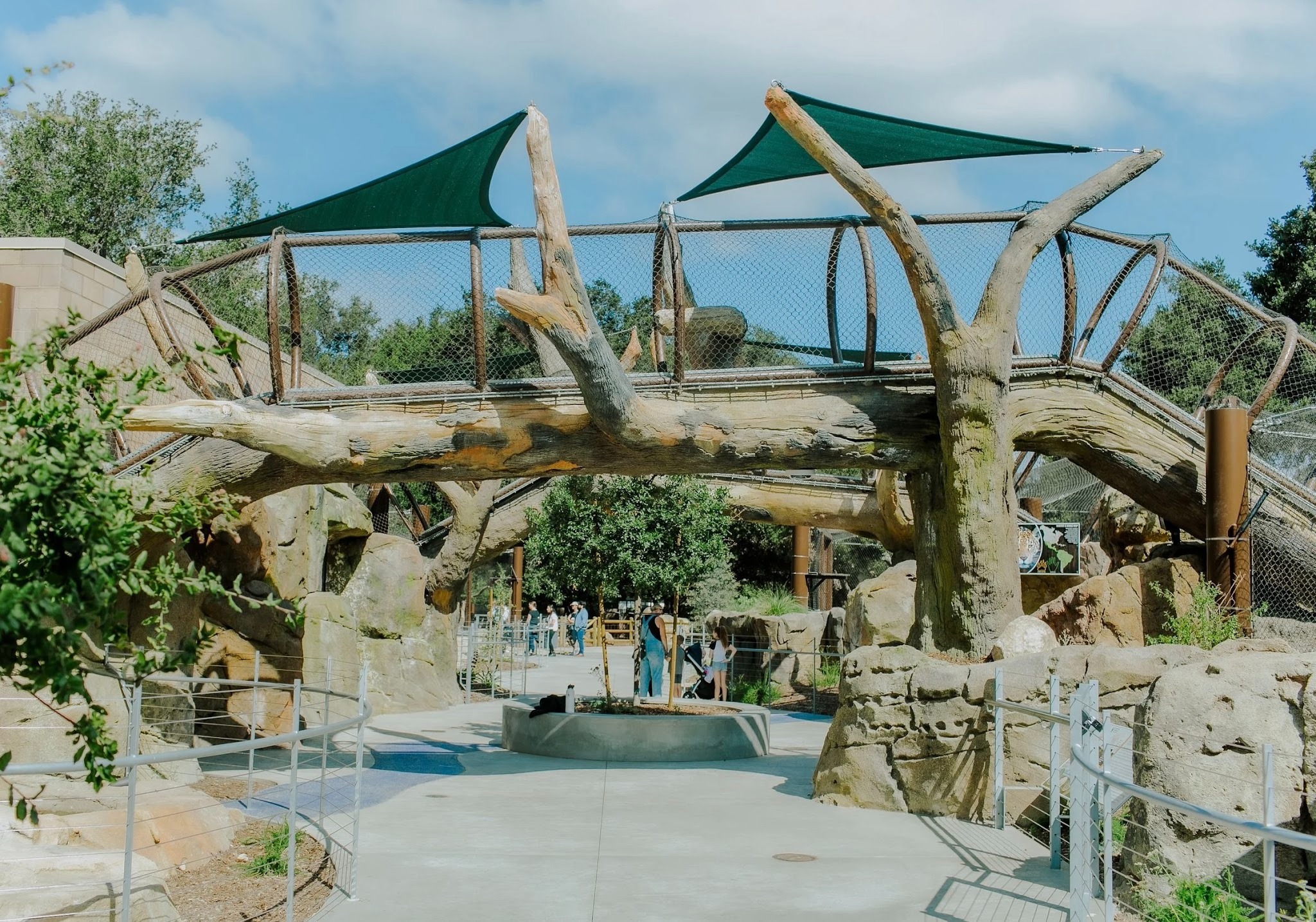
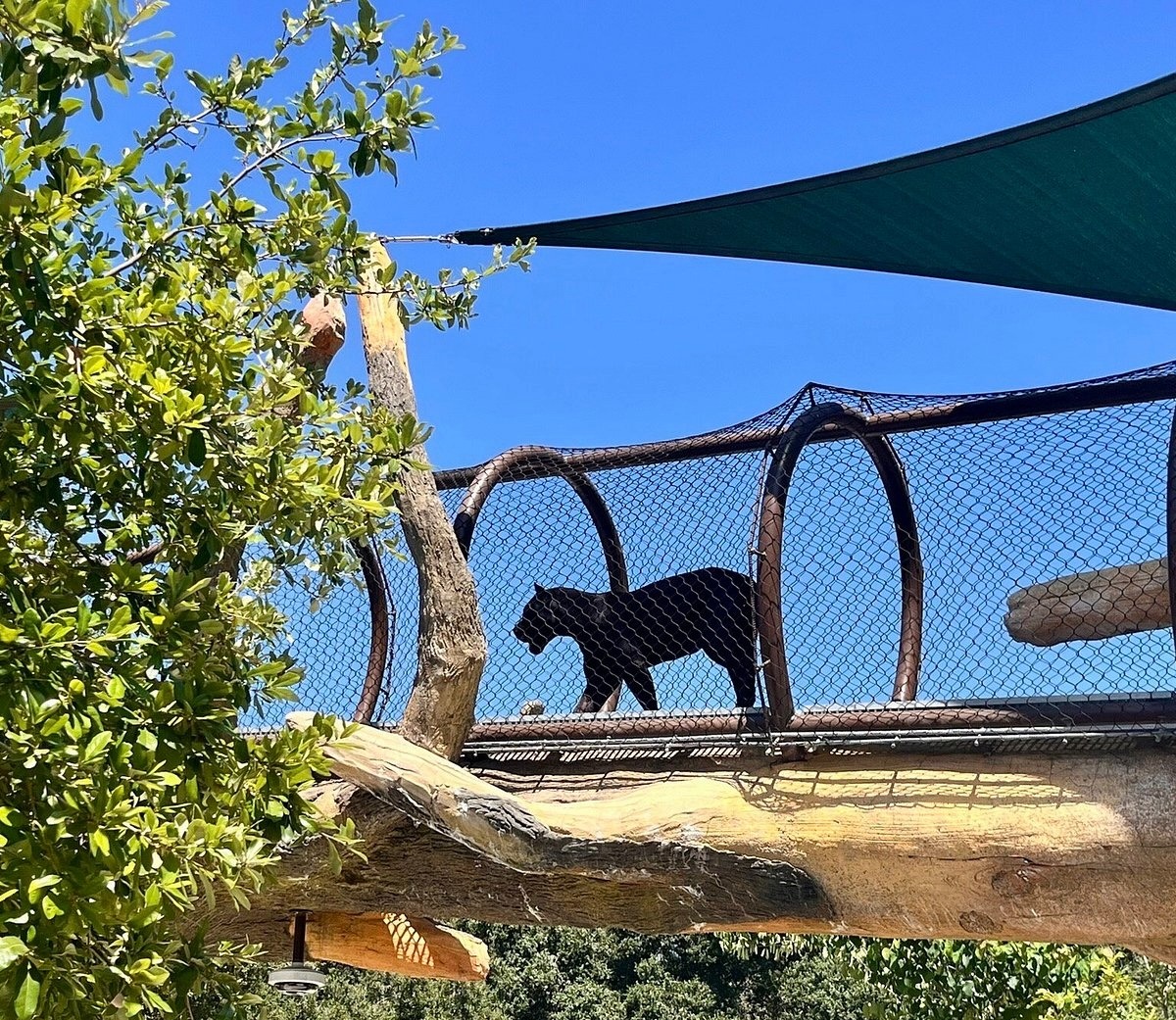
In 2022, the zoo unveiled a massive new habitat for large mammals—the largest expansion project in its history. This upgrade created incredibly naturalistic environments complete with rock formations, waterfalls, climbing platforms, and flexible zones designed for various species. It’s all about mimicking their natural habitats as closely as possible.
Educational Programs
Education is a major priority at the Orange County Zoo. Younger children can enjoy specialized programs, including themed classes about the wildlife living right in our backyards. The zoo also hosts a variety of events tailored for school groups and scout troops.
The grounds feature several dedicated learning spaces:
- Interpretive Programs Center;
- Children’s Zoo;
- Outdoor classrooms and activity areas.
These spaces host interactive workshops, lectures, and children’s educational programs. The zoo regularly organizes themed events and educational activities, including:
- Preschool programs like the “Spring Fling Preschool Program”;
- Animal-focused classes, such as “Magnificent Mammals”;
- Specialized kids’ courses covering birds and mammals.
These activities run year-round and are designed to engage various age groups.
A standout feature is the smartphone-accessible audio tour. Visitors can listen directly to zookeepers, veterinarians, and curators share the stories behind each animal—covering their background, diet, and how they ended up at the zoo. It’s an engaging format that makes any visit far more interactive and informative.
Recreation and Leisure
Being nestled inside Irvine Regional Park significantly expands the recreational possibilities. The park itself offers scenic picnic spots, a beautiful lake, playgrounds, and numerous hiking trails for all skill levels.
Popular park activities include rides on the Irvine Park Railroad, pony rides, and paddleboat rentals. There are also great biking trails and seasonal events that draw in families year-round. If you’re looking for a bite to eat afterward, the nearby Tustin Marketplace offers a massive selection of dining options.
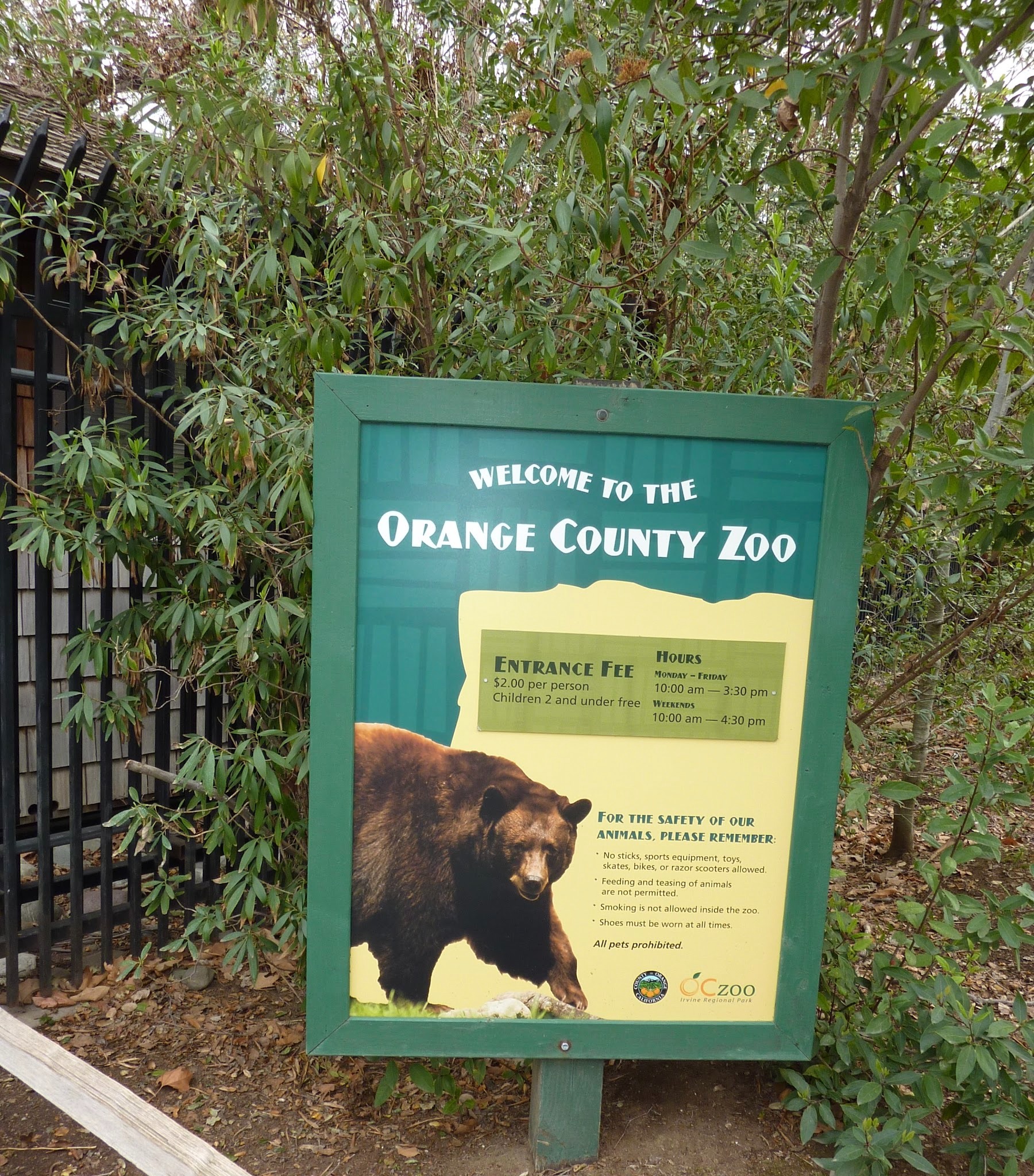
The zoo is open daily. Admission remains incredibly affordable—just $2 per person for ages three and up, while kids two and under get in for free.
The Orange County Zoo exemplifies a modern approach to animal care, prioritizing education and wildlife conservation over mere entertainment. Thanks to its compact layout, affordability, and seamless integration with the surrounding regional park, it offers a relaxed, unhurried outing without information overload. It’s a place where you don’t just see animals—you walk away understanding their vital role in our ecosystems and the urgent need to protect them.