

Craig Stanford is a leading American evolutionary biologist, primatologist, and conservationist whose work spans the critical intersections of anthropology, ecology, and biodiversity conservation. His groundbreaking research on chimpanzees, mountain gorillas, and reptiles has fundamentally reshaped our understanding of human evolution and global ecological processes. More on los-angeles.name.
As a professor at the University of Southern California (USC) and a dedicated field researcher, Stanford has masterfully bridged the gap between academic theory, classroom teaching, and frontline conservation efforts.
A Path in Science
Craig Stanford’s scientific journey began with a bachelor’s degree in anthropology and zoology from Drew University. He went on to earn a master’s in anthropology at Rutgers University before completing his Ph.D. in biological anthropology at the University of California, Berkeley, in 1990.
Fascinated by the natural world since childhood, Stanford developed a professional specialty in herpetology. His academic training provided the interdisciplinary foundation necessary to combine rigorous field observation, evolutionary theory, and ecological analysis.
Following his doctorate, Stanford taught at the University of Michigan before joining the faculty at the University of Southern California in 1992, where he became a professor of biological sciences and anthropology, and later chaired the Department of Anthropology. Throughout his career, he has taught courses on primate behavior, human evolution, and biological anthropology, earning numerous accolades for both his teaching and his research. Simultaneously, his role as a research associate in herpetology at the Natural History Museum of Los Angeles County allowed him to broaden his expertise in reptile biology.

Field Research
One of Stanford’s most significant contributions stems from his research at Gombe National Park in Tanzania. By studying the predatory interactions of chimpanzees, he revealed that hunting among these primates is driven by a complex social structure. Male chimpanzees coordinate their efforts, and the distribution of meat plays a vital role in forging social bonds and maintaining hierarchy. These findings provided crucial insights into the evolutionary roots of human social behavior, suggesting that early human social structures were heavily influenced by similar foraging strategies.
Another focal point of his work has been the Bwindi Impenetrable National Park, where he analyzed the behavior of mountain gorillas in a challenging tropical environment. His observations demonstrated that gorilla social groups maintain a stable structure centered around a dominant male, with behavior largely dictated by resource availability. He also shed light on how gorillas and chimpanzees coexist when sharing the same habitat.
Stanford’s interdisciplinary approach in East Africa has spanned over 15 years, forming the bedrock of modern primate behavioral studies. By collaborating with elite scientific institutions and participating in international expeditions, he has successfully integrated fine-grained field observations with global ecological models. Stanford places special emphasis on the human role in transforming ecosystems, noting that the modern biodiversity crisis is a direct consequence of anthropogenic pressure. Because these same pressures threaten both great apes and reptiles, Stanford draws parallels between these diverse groups to advocate for comprehensive, unified conservation strategies.
Contributions to Herpetology
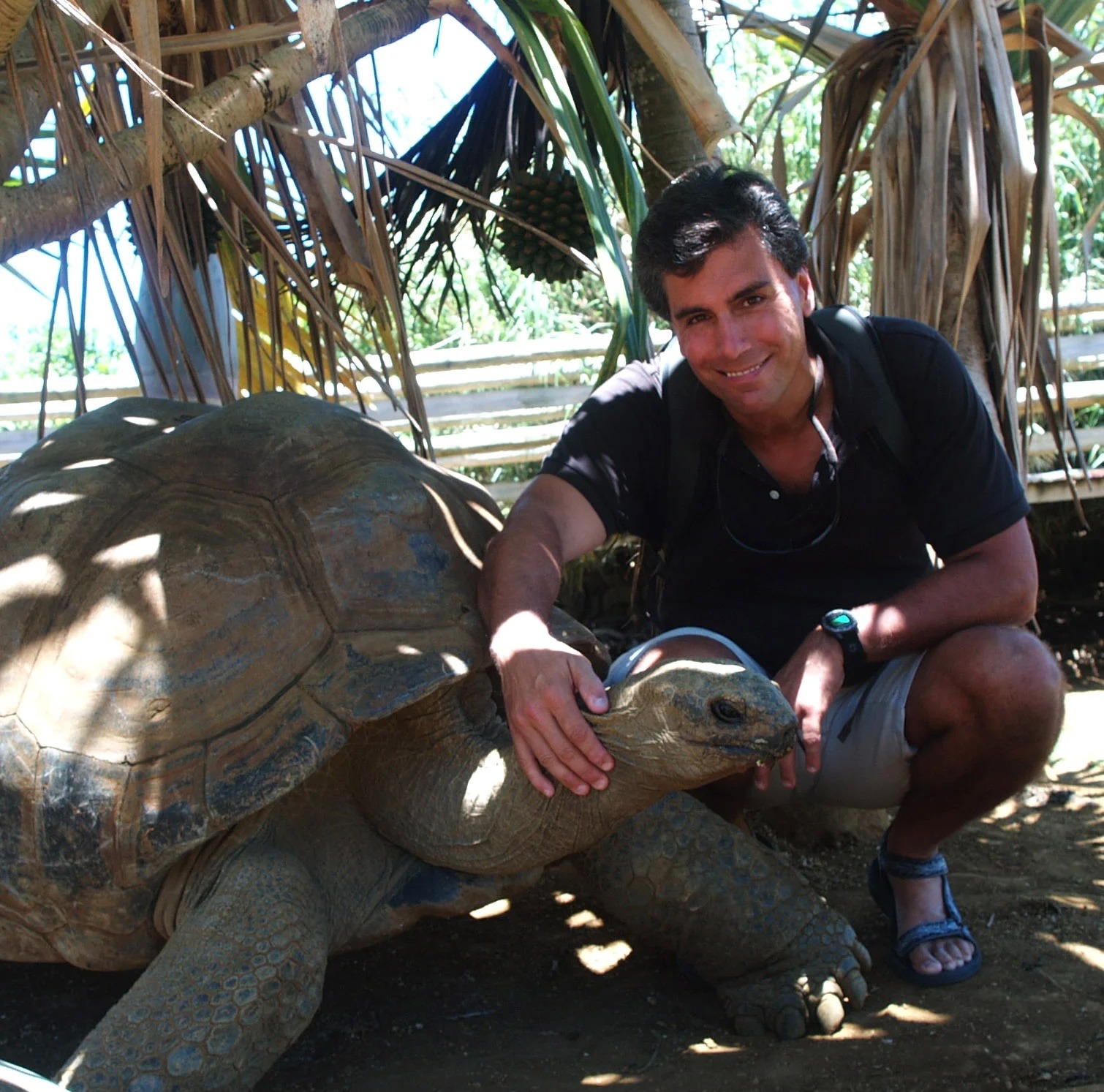
Beyond primatology, Stanford is a prominent figure in herpetology, specifically focusing on the conservation of tortoises and freshwater turtles. He has chaired the IUCN SSC Tortoise and Freshwater Turtle Specialist Group. His research highlights a dire reality: more than half of the world’s turtle species are currently threatened with extinction, largely due to habitat loss, poaching, and the illegal wildlife trade.
A crucial area of his work involves the impact of climate change on reptiles. Stanford emphasizes that rising temperatures directly affect turtle reproduction, notably by altering sex ratios in offspring. Such shifts pose long-term risks to population viability, a problem intensified by global warming. Supported by organizations such as the National Science Foundation and the National Geographic Society, his research is highly regarded by the international scientific community.
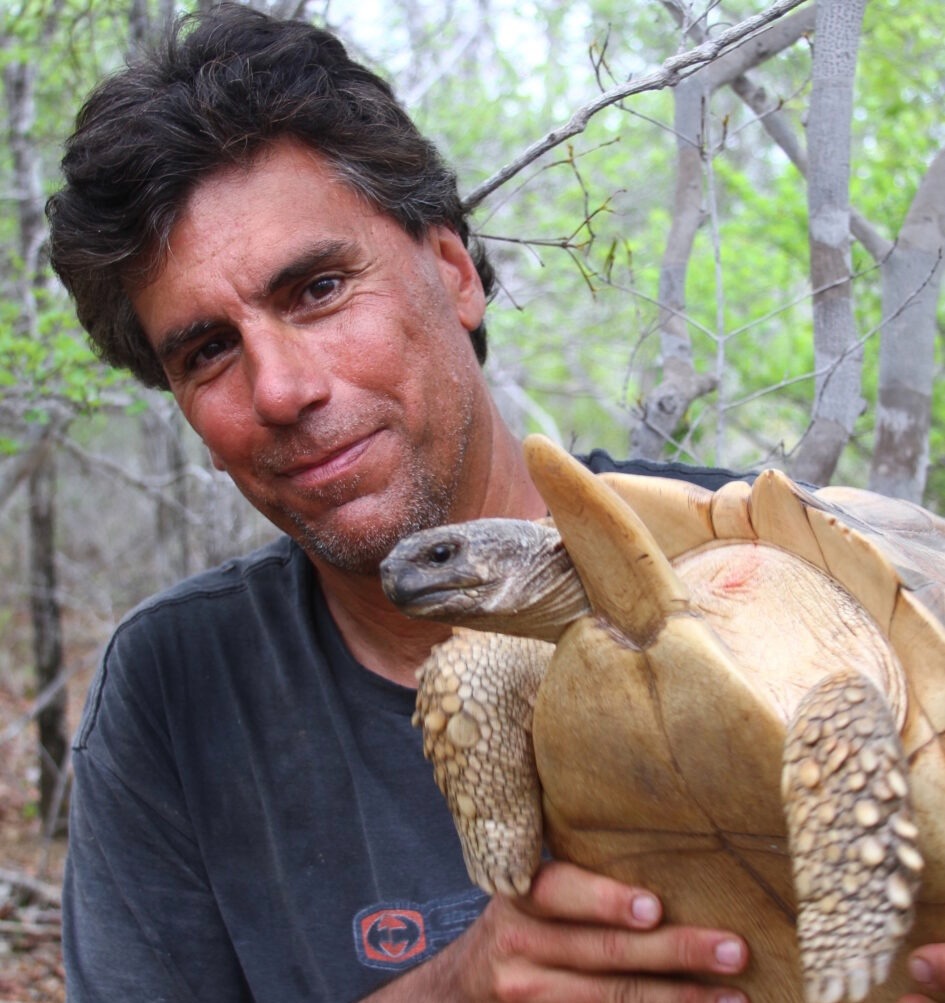
Stanford also collaborates with the Turtle Conservancy to advance global reptile protection initiatives. His work extends beyond the lab, encompassing international program development, policy reporting, and the creation of data for the IUCN Red List—an essential tool for global conservation policy. His analytical findings are frequently used by governments and NGOs to design strategies for protecting endangered species.
Scientific Publications
Craig Stanford has authored over 170 scientific articles and more than 20 books covering human evolution, primate behavior, and wildlife conservation. Key publications include:
- The Hunting Apes: Meat Eating and the Origins of Human Behavior – An exploration of the role of meat in human evolution;
- Planet Without Apes – An analysis of the existential threats facing great apes;
- The New Chimpanzee – A modern look at chimpanzee social behavior;
- The Last Tortoise – A sobering look at the survival crisis facing turtle species;
- The Turtle Crisis – A contemporary study of threats to reptilian life;
- Biological Anthropology: The Natural History of Humankind – A comprehensive academic textbook.
In his book Unnatural Habitat, Stanford examines Los Angeles and other urban centers as new ecosystems where native and invasive species coexist, providing a fresh perspective on the role of cities in biodiversity conservation.

Stanford is a frequent lecturer both in the United States and abroad, dedicated to popularizing the science of human evolution and current ecological challenges. His public engagements aim to foster environmental consciousness and raise awareness about species extinction. This outreach effectively extends the impact of his scientific work well beyond the walls of academia.
Ultimately, Craig Stanford’s work has left an indelible mark on modern anthropology and ecology. His research underscores the intricate links between animal behavior, ecosystem health, and evolutionary processes. Through his books and public lectures, he makes complex scientific concepts accessible to a broad audience, ensuring that global environmental concerns remain firmly in the public eye.