

Park · Los Angeles · ⭐ 9.3/10 · 2106 reviews · updated: 2026-08-04 16:03:22
Address: 4235 Monterey Rd, Los Angeles, CA 90032, United States
Ernest E. Debs Regional Park — 282 acres of walnut woodland above the Arroyo Seco
Northeast Los Angeles rises into a set of steep, chaparral-covered hills, and Debs Park occupies 282 acres of them. This is one of the largest parks in the city and among the least visited for its size: a genuine walk in the hills, with California black walnut and live oak woodland on the knolls, a small lake most people know as Peanut Lake, an off-grid Audubon center at the base, and a ridge line that hands you the Arroyo Seco, the San Gabriel Mountains and the downtown skyline in a single turn of the head. Over 140 bird species have been recorded here, twenty minutes from the center of the second-largest city in the country.
Highlights
- The Audubon Center at Debs Park — opened in 2003 as the first LEED Platinum-certified building in the United States, running entirely off the grid on its own solar array, and the first Audubon center built in an urban setting specifically to engage the Latino community.
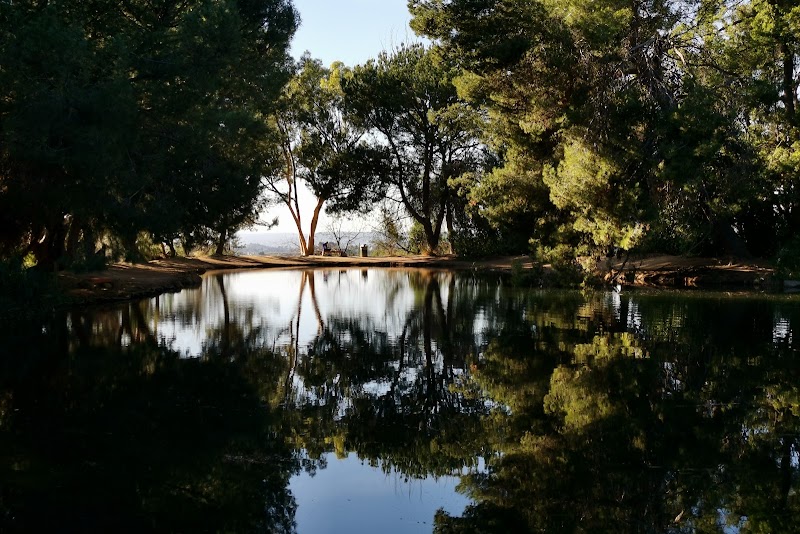
- Peanut Lake — the small pond known locally by that name, reached on the Scrub Jay and City View trails, where mallards and transient waterfowl appear during migration.
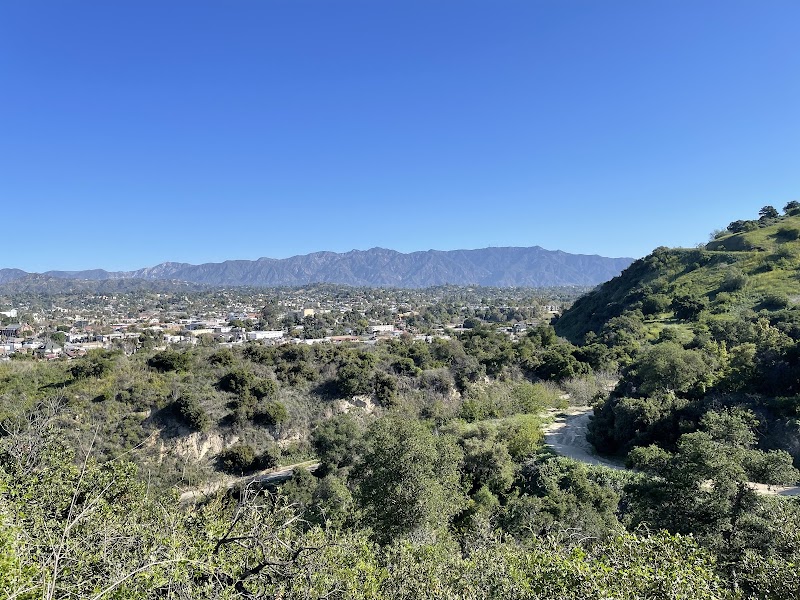
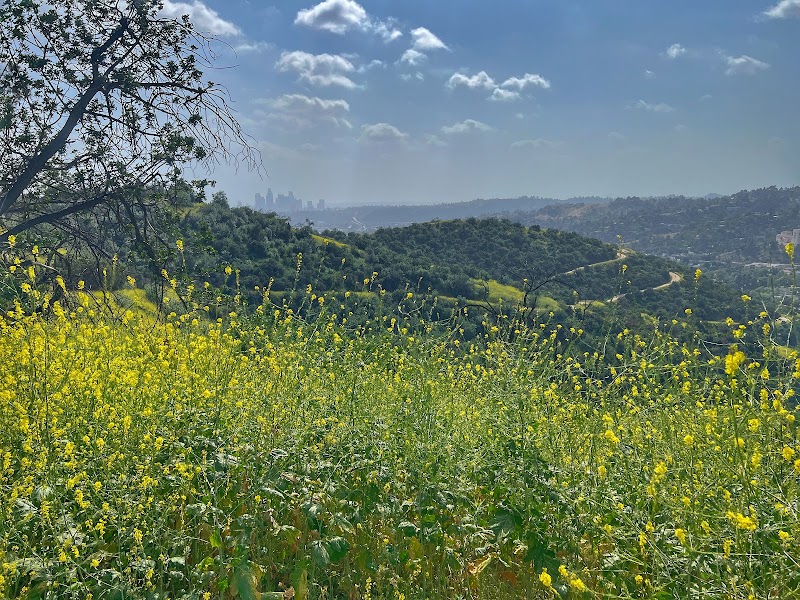
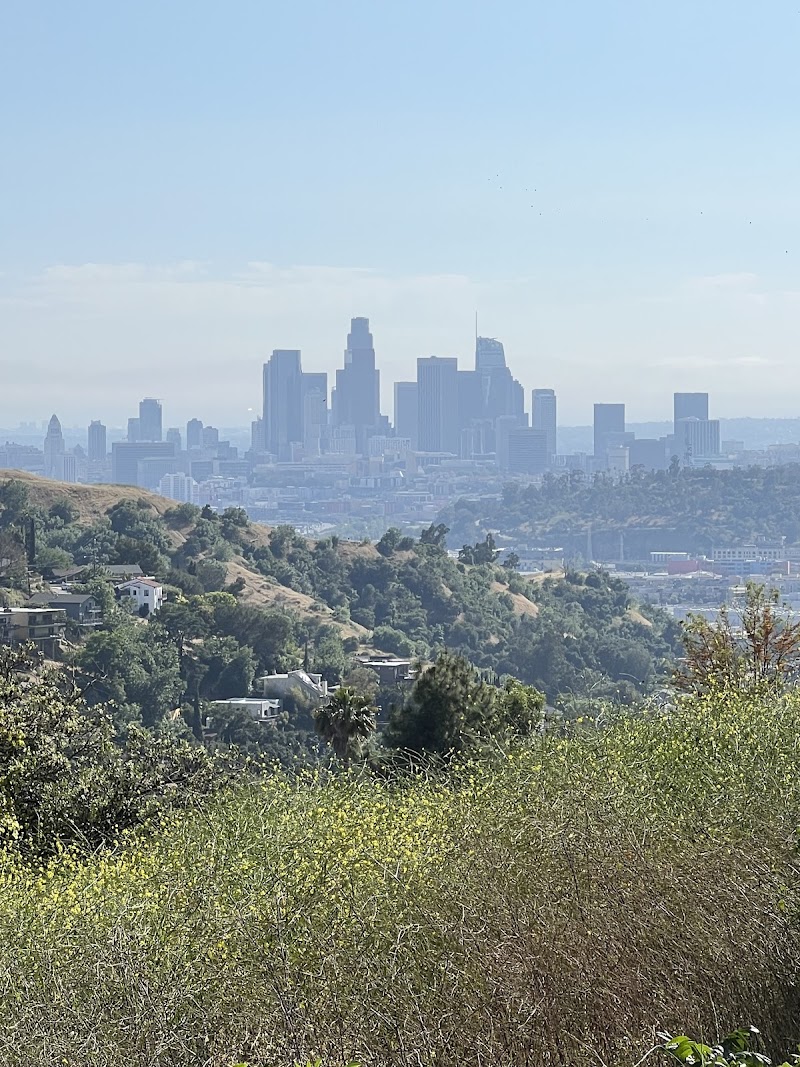
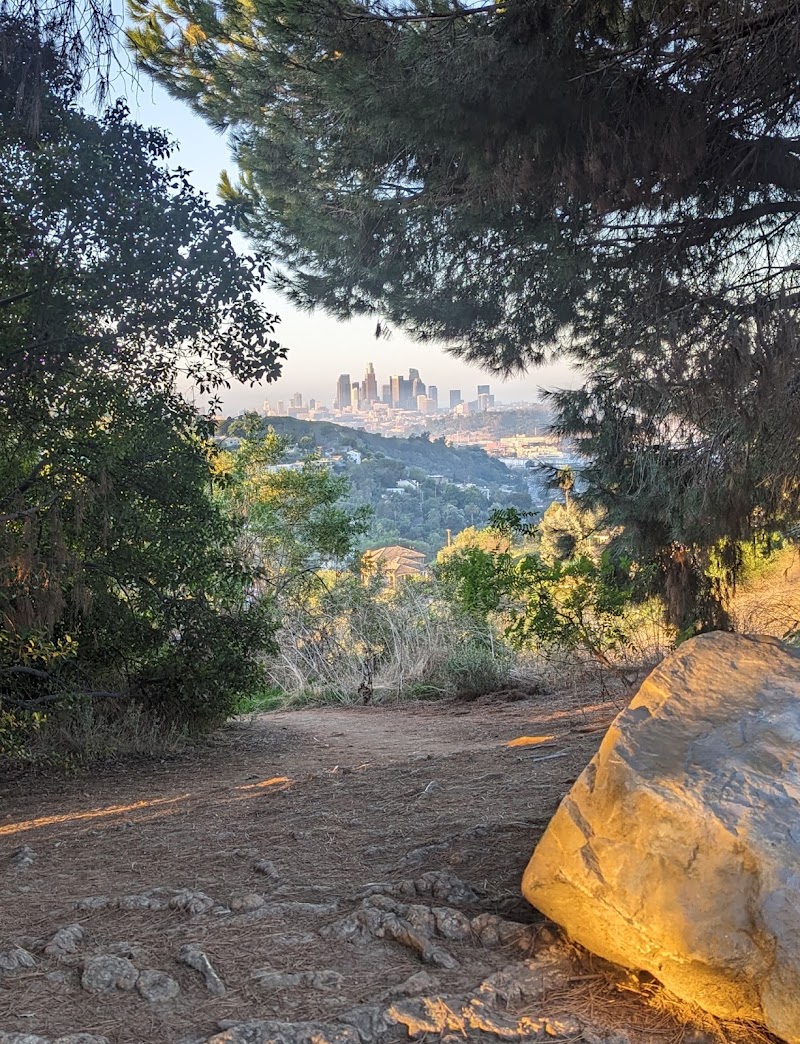
- The City View Trail — the climb that earns the panorama: the Arroyo Seco below, the San Gabriel Mountains beyond it, and downtown standing off to the southwest.
- The black walnut woodland — knolls covered in California black walnut and interior live oak, a habitat that has largely vanished from the Los Angeles basin and survives here at scale.
- The Children’s Woodland Trail — a ten-minute, stroller-friendly path with bird blinds, labeled native plants and a large Peruvian pepper tree, with no incline and no poison oak.
- Audubon Outfitters — the free loan counter at the center, handing out binoculars, magnifying glasses and field guides so nobody has to arrive equipped.
What you’ll find
The Audubon Center occupies 17 acres of the park’s 282; the rest is open hillside, laced with trails that run from flat and paved to properly steep — some grades exceed fifty percent, which in practice means a short walk that behaves like a real hike.
- The Butterfly Loop, about twenty minutes, climbing through walnut knolls to a small amphitheater midway; narrow, with poison oak along the edges.
- The Scrub Jay and City View trails — wider, steeper, dog-friendly, and the route to the lake and the viewpoints.
- Chaparral, coastal sage scrub, native grassland and California grape vines through the woodland understory.
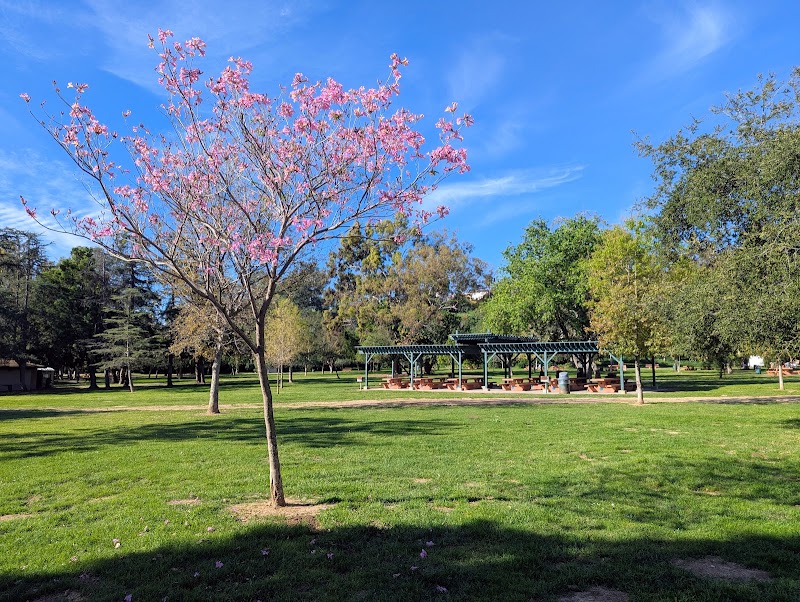
- Restrooms, drinking fountains, picnic tables and wildlife observation points around the center.
- Habitat restoration plots where volunteers replant natives most weeks of the year.
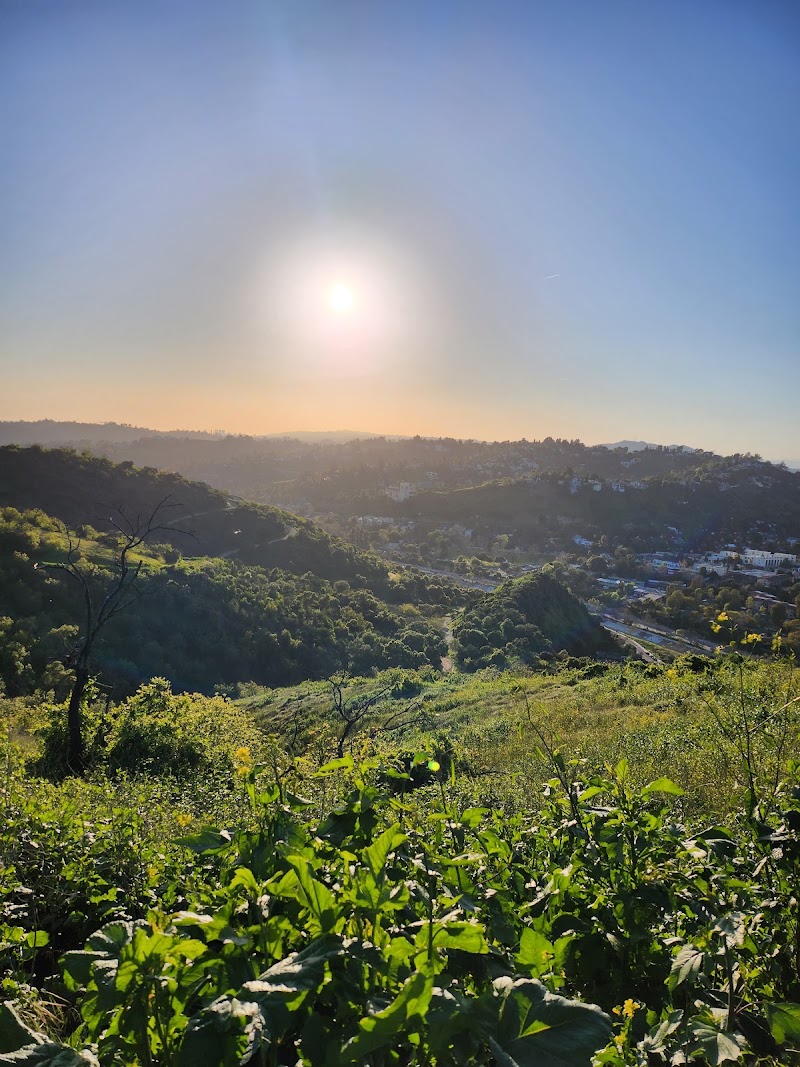
- Ridge-top views taking in the Arroyo Seco, the San Gabriel Mountains and the downtown towers.
Things to do — and who it’s for
- Birdwatchers — over 140 recorded species, with Bewick’s Wren, Song Sparrow, California Scrub-Jay and Red-tailed Hawk among the reliable sightings, and free binoculars at the center.
- Families with toddlers — the Children’s Woodland Trail takes ten minutes, has no incline, takes a stroller and ends at bird blinds.
- Hikers who want elevation — the ridge climbs are short but steep enough to count as training, and the payoff view is the whole northeast basin.
- Dog walkers — the wider Scrub Jay and City View trails take dogs, unlike the narrow interpretive loops around the center.
- School and youth groups — Audubon runs habitat restorations, beginner birding hikes, a youth leaders program for high school students and seasonal community festivals.
- Sunset watchers — the western-facing slopes and the amphitheater on the Butterfly Loop are aimed straight at the end of the day, best in the short daylight of early December.
Getting there & practical
The park sits in Montecito Heights in northeast Los Angeles, on the hills above the Arroyo Seco and between Highland Park and Lincoln Heights. The nearest rail is the Metro A Line’s Southwest Museum station, from which it is a short downhill walk and then a climb to the park boundary; Metro Micro, the agency’s on-demand shared van service, covers the Highland Park, Eagle Rock and Glendale zone and will drop passengers at the Audubon Center entrance. Both the park and the Audubon Center are free, and no reservation is needed for individual visits — only groups of ten or more need to call ahead. The center keeps limited hours, generally Thursday to Sunday, and its parking lot closes at 4 p.m.; overnight parking is not permitted. Nothing is sold on site — no water, no snacks, no shop — so arrive supplied. Allow ninety minutes for the center and the short trails, two to three hours to reach the lake and the ridge.
When to visit
Spring is the peak: the hills are still green from winter rain, wildflowers open across the grassland, and migration puts the greatest variety of birds through the walnut canopy — this is the season the center schedules most of its walks. Summer is hot and largely unshaded on the upper trails, so start early; the woodland holds cooler air, but the ridge does not, and poison oak along the Butterfly Loop is at its most vigorous. Autumn brings the clearest air of the year, comfortable afternoon temperatures and the walnut leaves turning, and the crowds are minimal. Winter is quietly the best-kept secret: rain greens the slopes within days, mallards settle on the lake, visibility opens up so that the San Gabriel Mountains stand snow-dusted behind the ridge, and the low sun in early December makes mid-afternoon the right time to be on the loop.
Good to know
The park was assembled piece by piece between 1949 and 1963 under the name Rose Hill Park. In 1968 the city leased the land to Los Angeles County for twenty-five years on condition that it be developed for recreation; the county spent roughly nine hundred thousand dollars on improvements and renamed the park for Ernest E. Debs, the county supervisor who had pushed for it. The land came back to the city in 1994, and the name stayed.
The building that made the park nationally known arrived in 2003. The Audubon Center at Debs Park was the first structure in the United States to be certified LEED Platinum, and it does not merely perform well on paper: it operates entirely off the electrical grid, powered by its own solar panels. It was also the first Audubon center deliberately built in a dense urban neighborhood to engage the Latino community, and it has since become a hub for environmental justice work in Los Angeles as much as a nature center. Its program runs from habitat restorations and nest box monitoring to winter festivals and outdoor film nights.
Ecologically the park matters because of what grows on it. California black walnut woodland, mixed with interior live oak, once covered large parts of these inland hills and has been almost entirely cleared; the stands on Debs Park’s knolls are among the better surviving examples in the basin, and the restoration plots below them are steadily rebuilding the understory. That is why the bird list runs past 140 species on a hillside surrounded by freeways and houses.
Visitor tips
- Learn to recognize poison oak before walking the Butterfly Loop — it grows along the narrow middle section, and the center will show you what it looks like.
- Borrow binoculars at the center rather than buying them; the loan is free and the walnut canopy is where the birds actually are.
- Watch the clock on parking: the center’s small lot closes at 4 p.m., so a sunset walk means leaving the car outside the gate.
Questions & answers
Is there an entry fee? No. Both the regional park and the Audubon Center at Debs Park are free, and individual visitors need no reservation — only groups of ten or more should contact the center in advance.
When is the Audubon Center open? It keeps limited hours, generally Thursday through Sunday, and its parking lot closes at 4 p.m. The park trails themselves are open daily.
What is Peanut Lake? The small pond in the park’s interior, known locally by that name, reached on the Scrub Jay and City View trails. Mallards and other waterfowl turn up on it, particularly during migration.
Are dogs allowed? On the wider Scrub Jay and City View trails, yes. The narrow interpretive loops immediately around the Audubon Center are a different matter, so keep to the broader paths.
How difficult are the trails? They range from a flat ten-minute woodland path suitable for a stroller to climbs with grades steeper than fifty percent. Nothing is long, but the steeper sections are genuinely steep.
Can I get there without a car? Yes. The Metro A Line’s Southwest Museum station is the nearest rail stop, with a walk up to the park edge, and Metro Micro vans serve the surrounding zone and can drop you at the Audubon Center entrance.
Photos
Show 1 more photos
Visitor reviews
Reviews last updated: 2026-08-04 16:03:22
Data is refreshed monthly. Sources: los-angeles.name and editorial picks based on reviews.
A hidden gem with beautiful hiking trails, quiet surroundings and incredible views. The park is well maintained and offers a perfect escape from the noisy city. Whether you're hiking, enjoying nature or just looking for…
Great views in a park that's a bit less crowded than places like Griffith and Elysian
Hidden gem. Ernest Debs is a quiet Griffith Park with short but powerful climbing loops, perfect for an hour-long walk. I take the loop from the parking lot to the dirt trail just below the fire road. The city view is a…
It's a good, slightly hidden park; there's a small man-made lake with a beautiful view of the city. There are also picnic tables and a nice atmosphere. You can walk the whole park in 1:30 minutes. Good for walking dogs o…
Nice trails, and there's also a park with a view of Los Angeles. The view is wonderful if you walk the short trail (there are several trails, some lead uphill, but there are also level paths for older people). A great pl…