

This is the story of a family that journeyed from working rented lands in California to creating one of the premier centers for agritourism in the United States. Located in Irvine, the farm attracts tens of thousands of visitors, offers educational programs, supports the local community, and preserves the rich traditions of Japanese-American farming. Read more at los-angeles.name.
Founding the Farm
Tanaka Farms traces its roots back to the early 20th century. Takeo Tanaka, an immigrant from Hiroshima Prefecture, worked alongside his wife on a small farm in Northern California. In 1922, their son George Tanaka was born. During World War II, George was forced to flee to Utah to avoid the internment camps that unjustly targeted many Japanese Americans at the time.
While in Utah, George met Chris Yamashita, the daughter of farmers from Fukuoka Prefecture. After the war ended in 1945, the couple returned to California and settled in Fountain Valley, where they resumed farming. In 1957, Glenn Tanaka—a third-generation farmer—was born. He pursued a degree in agribusiness and began developing the family enterprise early on. His wife, also from a farming background, studied nutrition, making them a perfect team.
The Rise of Agritourism
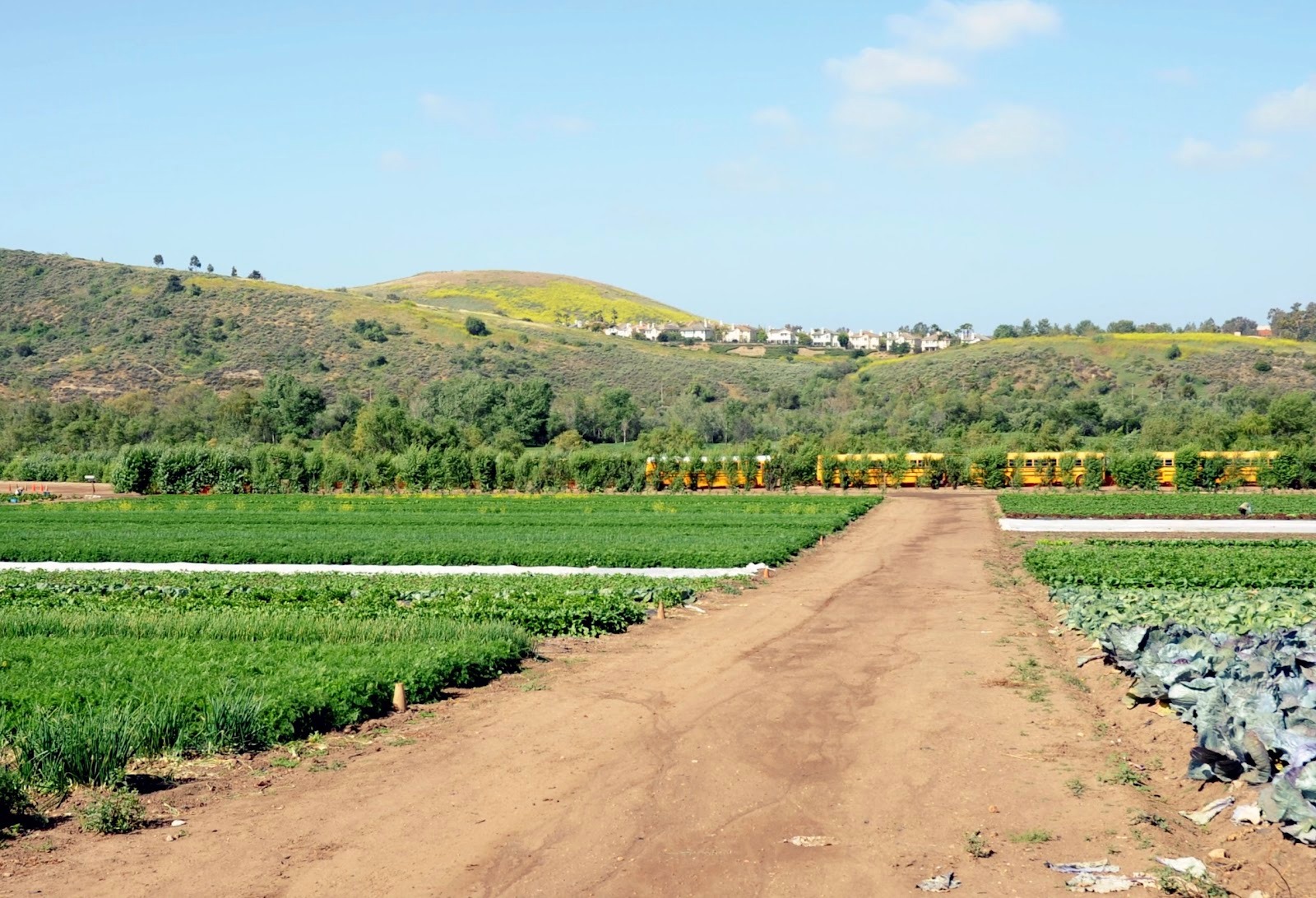
After finishing his studies, Glenn significantly expanded the operation to nearly 300 acres, building a reputation for supplying high-quality tomatoes and strawberries across the country.
In 1983, Glenn’s son, Kenny Tanaka, was born. It was during a field trip with Kenny’s kindergarten class to the family farm that the Tanakas realized the massive potential of agritourism. However, the farm simultaneously faced pressure from urban development; the city purchased a portion of their land, and another 70 acres were acquired by the Strawberry Farms Golf Club. By 1998, the entire operation was relocated to its current spot along Strawberry Farms Road.
That move marked the beginning of Tanaka Farms’ transformation into a major tourist destination. The first big step was a “U-Pick” strawberry tour, which drew significant attention. By 2003, the farm had become a household name among Southern California residents and visitors alike. In 2017, Glenn Tanaka was awarded the Agricultural Achievement Medal by the Agricultural Society of Japan for his contributions to the industry. Following that success, Tanaka Farms received the Frances K. Hashimoto Community Service Award from the Rafu Shimpo newspaper in 2023.
Today, the farm plays a vital role in preserving the history of Japanese immigrants in the U.S. Its operations showcase the evolution of farming traditions, the Asian American community’s contribution to agriculture, and the enduring power of family unity.
Educational Activities and Festivals
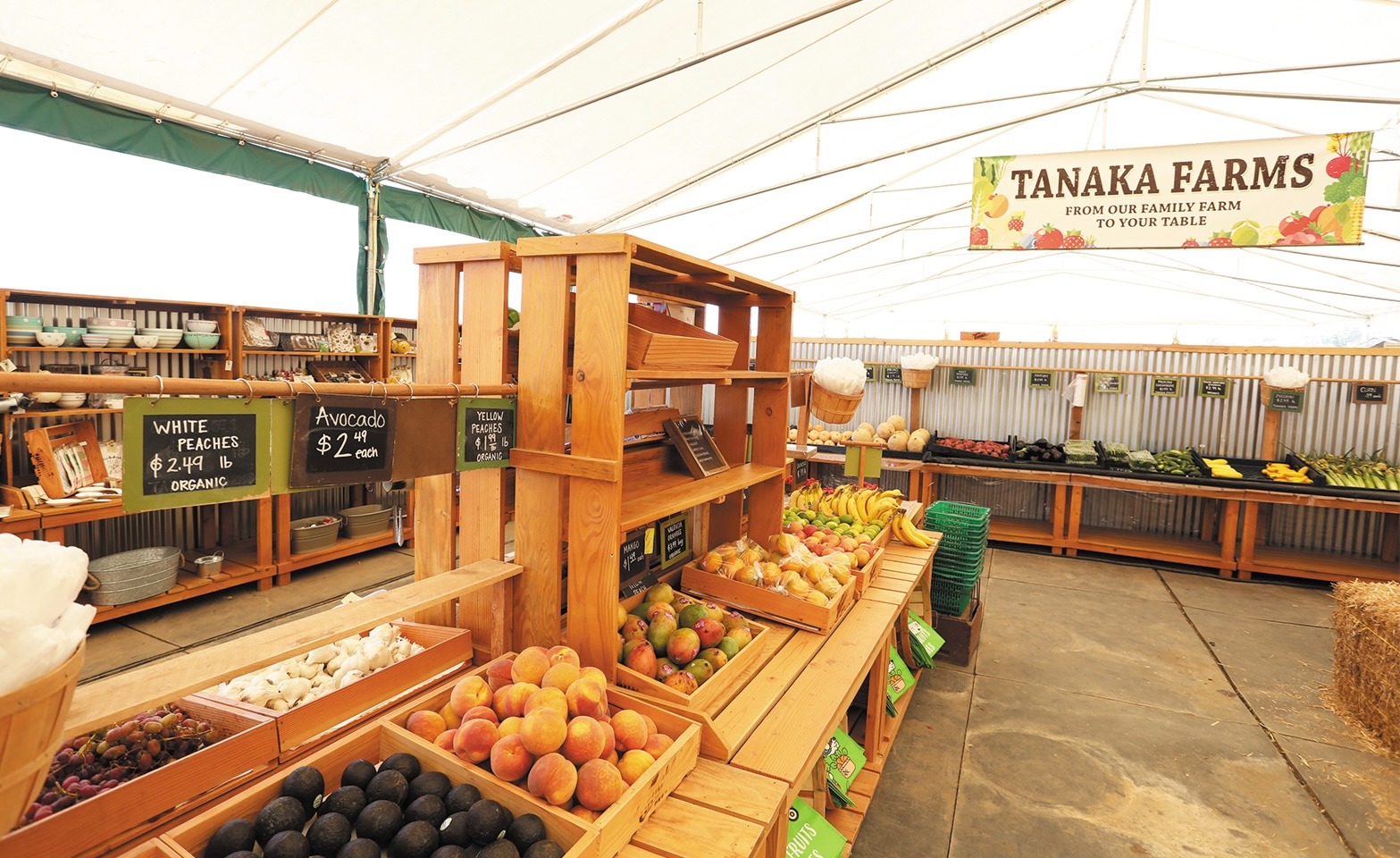
Tanaka Farms offers dozens of events that blend education, family recreation, and holiday celebrations. Every winter, the farm transforms into a dazzling wonderland of lights. The grounds are illuminated by over a million twinkling lights, with visitors taking wagon rides past lanterns, festive displays, and holiday installations. Weekends feature live concerts and themed entertainment.
The educational petting zoo operates with strict safety rules to ensure animal welfare. It is home to goats, sheep, donkeys, chickens, turkeys, a pig, ponies, and a mini-cow. Storytime sessions for children are held twice a week, making it a community favorite.
The farm places a heavy emphasis on youth education. They host workshops on chick development and plant growth, and they even launched the “Chicken Club,” where kids learn how to care for poultry. For adults, Goat Yoga has become a trendy and popular pastime. During tours, visitors learn about the farm’s history, study responsible farming principles, and harvest seasonal fruits and vegetables.
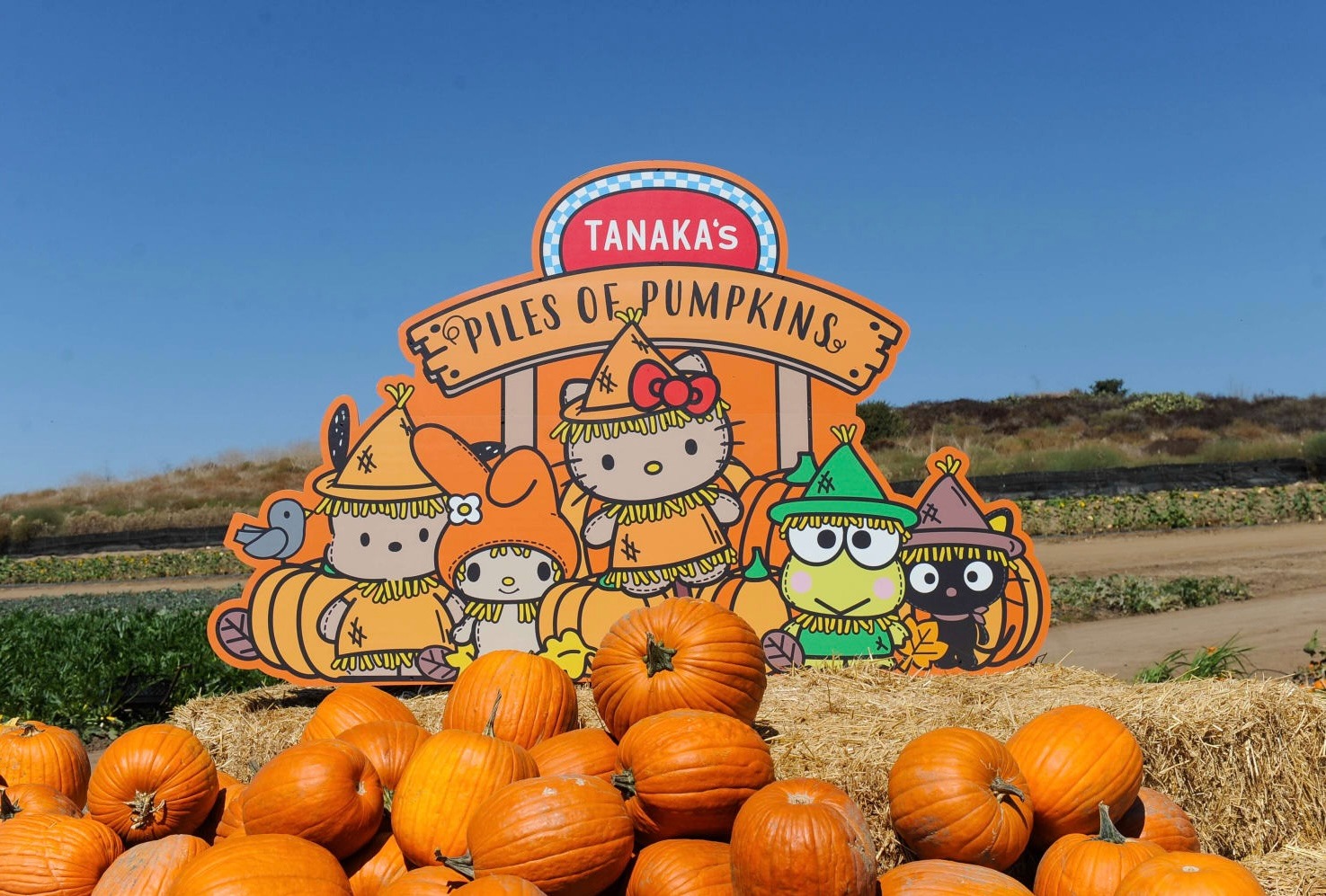
The seasonal Pumpkin Patch is the farm’s blockbuster event, drawing between 60,000 and 80,000 visitors annually. Attractions include a pumpkin cannon and a corn maze, while an on-site food court serves a seasonal menu. Many of these events support charitable causes. At the end of the year, the farm organizes a Kagami Mochi contest, celebrating the traditional Japanese New Year rice cakes.
Tanaka Farms actively promotes responsible agriculture, teaching visitors about crop rotation, composting, and companion planting. The operation uses pesticides approved by the Organic Materials Review Institute (OMRI), alongside underground drip irrigation, plasticulture, and reclaimed water. The farm provides sustainable employment, with 22 year-round staff members and a team that grows to 100 people during peak seasons.
Responding to community needs, the family created the “Helping Farms Feed Families” program, donating surplus crops to food banks. This initiative later evolved into “Walk the Farm,” a major charity project launched after the 2011 Tōhoku earthquake and tsunami in Japan. The project aims to assist farmers affected by natural disasters and has raised over a million dollars in donations since its inception.
Tanaka Farms stands as a prime example of how a family business can preserve its traditions, adapt to modern challenges, and become a pillar of regional culture and education. It is not just a place to grow vegetables and fruit; it is a hub for agritourism, sustainability, and community support. Thanks to the efforts of multiple generations, Tanaka Farms remains a symbol of hard work, innovation, and family values.