
The citizens of Los Angeles were shocked to learn that hazardous lead had been found in the southeastern backyards. The Curator of Mineral Sciences of the Natural History Museum of Los Angeles County was a key figure in combatting this issue. Additionally, Aaron Celestian oversees the Prospering Backyards project as its lead scientist. Find out more information at Los Angeles Name.
What should we know about zeolite?
According to innovator Aaron Celestian, cleansing zeolite from particles takes a little time, yet it is vital to disaster mitigation. For decades, lead has poisoned the soil surrounding residential buildings in southeastern Los Angeles County.
As a result, the solution was to use zeolite, a natural adsorbent capable of accumulating other compounds on its surface. This porous mineral is commonly used in:
- agricultural products
- detergents
- dog and cat toilets.
The fact is that zeolite acts like a sponge, timely absorbing lead atoms and keeping them from entering the air or soil. It is a safe solution for people, animals and plants. So, it will be interesting to find out more about Aaron Celestian, the researcher who came up with this idea.

Aaron J. Celestian
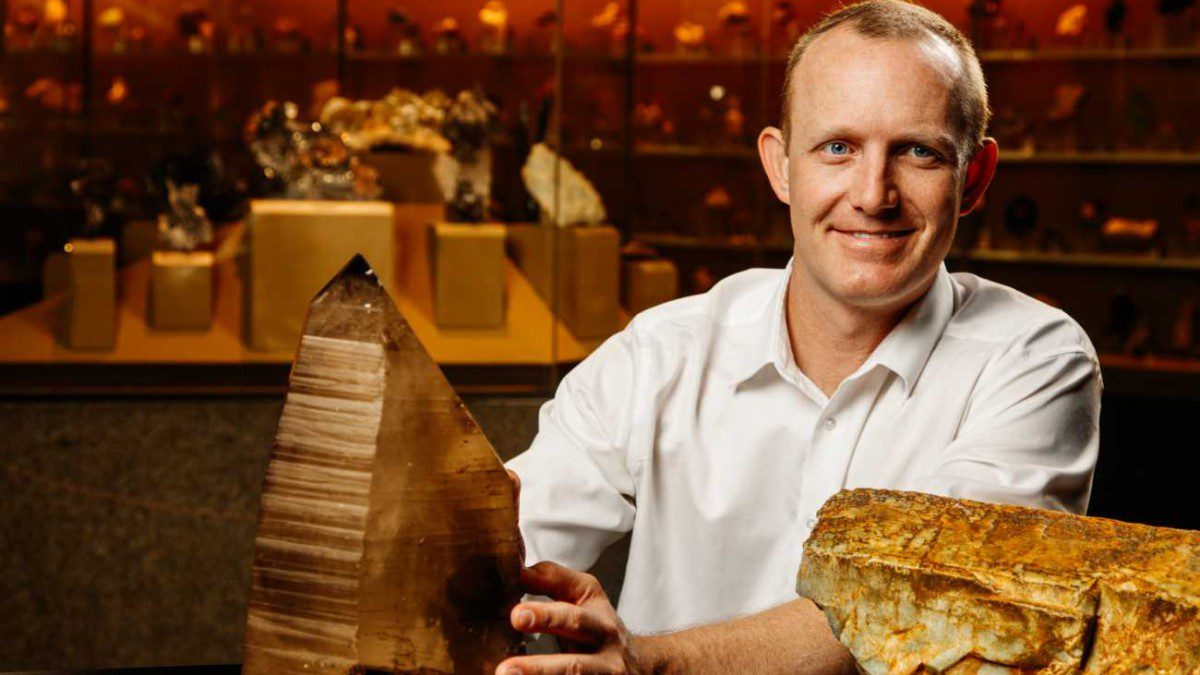
Aaron Jay Celestian studies the interaction of minerals with the environment and living organisms. He researches how minerals can be utilized to address specific climatic issues, such as pollution and diseases. The researcher has a large number of publications (over 94) that delve deeper into these subjects.
His main interests and areas of preference in his line of work are mineralogy, crystallography, crystal growth, zeolites, geology and geochemistry, ion exchange, porous materials and others.
The American mineralogist has worked for the Natural History Museum of Los Angeles County since January 2016. Before that, he held the following positions:
- From August 1999 to August 2006, Aaron Celestian served as a Research Assistant in the Department of Geoscience at Stony Brook University. It was here that he received both his master’s and doctorate degrees.
- From August 2006 to May 2007, the mineralogist worked as an Assistant Professor at the City University of New York.
- From August 2007 to December 2015, Aaron Celestian held the position of Director of the Department of Geography and Geology at Western Kentucky University.
Education
The famous American mineralogist attended several educational institutions:
- The University of Arizona from August 1996 to August 1999. Here, Aaron Celestian studied Geology and Mineralogy.
- From August 1999 to August 2003, he studied at Stony Brook University. He completed his studies at the same institution until August 2006, effectively balancing the educational process with his job as a researcher.
How did lead pollution start in Los Angeles County?
It is worth explaining how lead ended up in the surrounding residential areas of Los Angeles County. The cause for this was a battery recycling plant in Verona, Exide Technologies, which ceased its operations. The plant released lead and other contaminants into neighborhoods populated mainly by Latinos and those with low incomes.
The California Department of Toxic Substances Control conducted research, and the findings were impressive: over 10,000 objects around the plant have potentially been polluted as a result of the activities of Exide Technologies. The next stage was for California to petition the Environmental Protection Agency with the following request: include the area surrounding the plant on the Superfund list to cover cleanup expenses.
Exide closed the plant in 2020, meanwhile, the cost of cleaning the environment was estimated to be the highest in the state’s history: 750 million.
Long-term research project
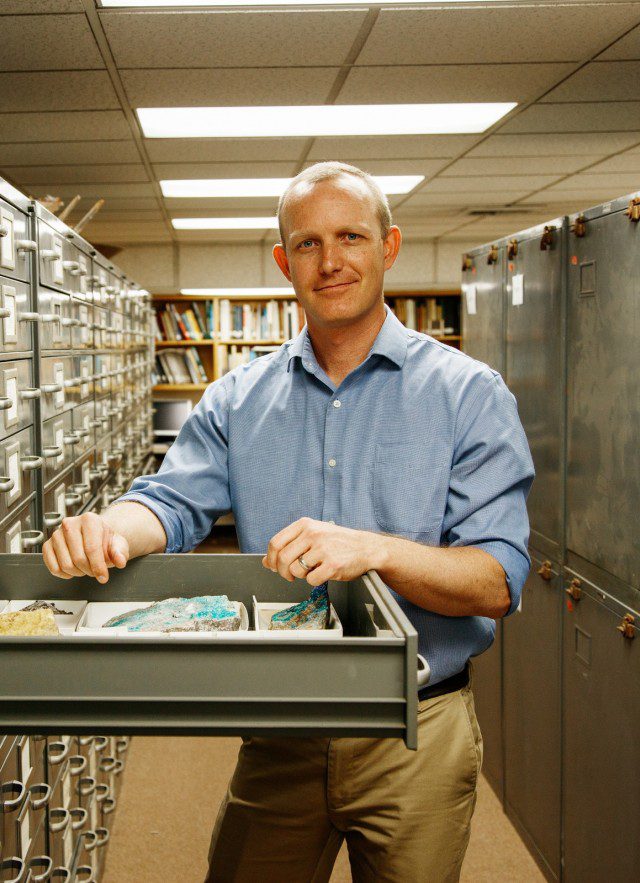
The Natural History Museum was the one that became interested in cleaning up the environment and studying the harmful effects of lead from the battery recycling plant. Scientists (including Aaron Celestian), artists, activists and community members all took part in the long-term research project.
As an example, the Jimenez family in Huntingdon Park lived approximately 4 kilometers from the plant. Luis Jimenez, the family’s head, grew up in the region since the early 1980s and suffered from Parkinson’s disease, a heart condition he attributed to the effects of industrial pollution.
Young children who had been exposed to detrimental impacts all their lives were particularly vulnerable to lead. As a result, they had a low IQ as well as behavioral and learning difficulties.
So, Aaron Celestian, the head scientist of the Prospering Backyards project, is working together with other specialists to battle toxic substances in Los Angeles County.
Can we save the planet?
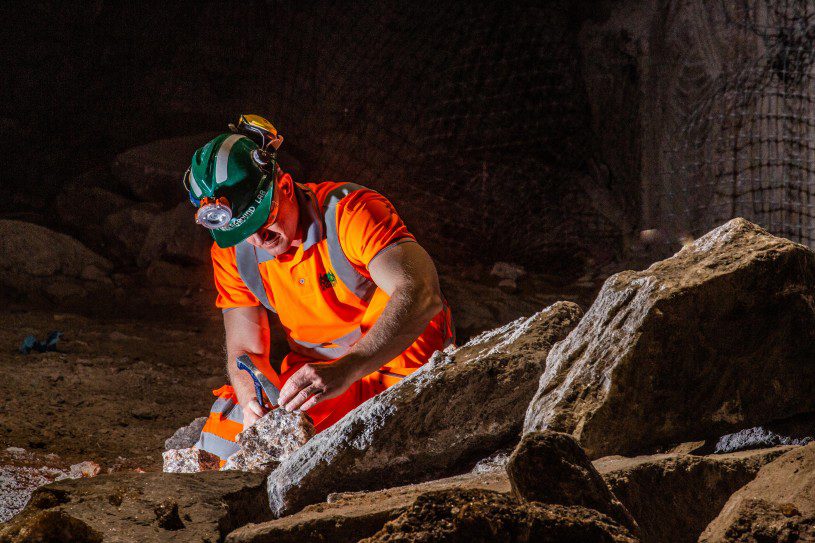
The research work of the Curator of Mineral Sciences is not limited to reducing the negative impact of lead on the environment. Among his initiatives, he focuses on the subject of how to cure diseases and protect the environment.
In an interview, the scientist stated that he has the opportunity to draw on his experience and apply it to a variety of areas. He believes it is one of his main responsibilities to look into the details of how Earth’s materials grow and how they might be used for humanity’s advantage.
For the most part, many environmental issues related to heavy metals (such as lead) can be addressed using minerals.
Aaron Celestian has recently focused on studying how minerals might help cure diseases.
Medicine
An excessive amount of oxalate in the body leads to the formation of kidney stones. They are difficult to remove from the body. Aaron Celestian, working with Dr. Kymora Scotland and her students from the University of California, Los Angeles, studied this matter. They analyzed these formations using a microscope to better understand how they formed.
What purpose did it serve? First and foremost, it provided an opportunity to identify the bacteria involved in the creation of these stones and, using this information, design an antibiotic to prevent solidification. Celestian describes the findings of their collaborative study as “a transformative leap in the application of mineral sciences.”
Environment
Celestian and his colleagues are looking for a more cost-effective method of collecting lithium, the main element in batteries. The researcher is working on a project to develop a material that can reflect and absorb lithium from the Earth, saving billions of gallons of water. This is a significant step toward advancing the clean energy revolution.
“Star” work of the researcher
Aaron Celestian is a member of NASA Jet Propulsion Laboratory (JPL), where he studies the role of minerals in preserving biosignatures. We are talking about evidence of life or past lives discovered by rovers on Mars.
Thus, the contribution of Aaron Celestian to the advancement of mineralogy is impressive, but the researcher does not intend to stop there.