

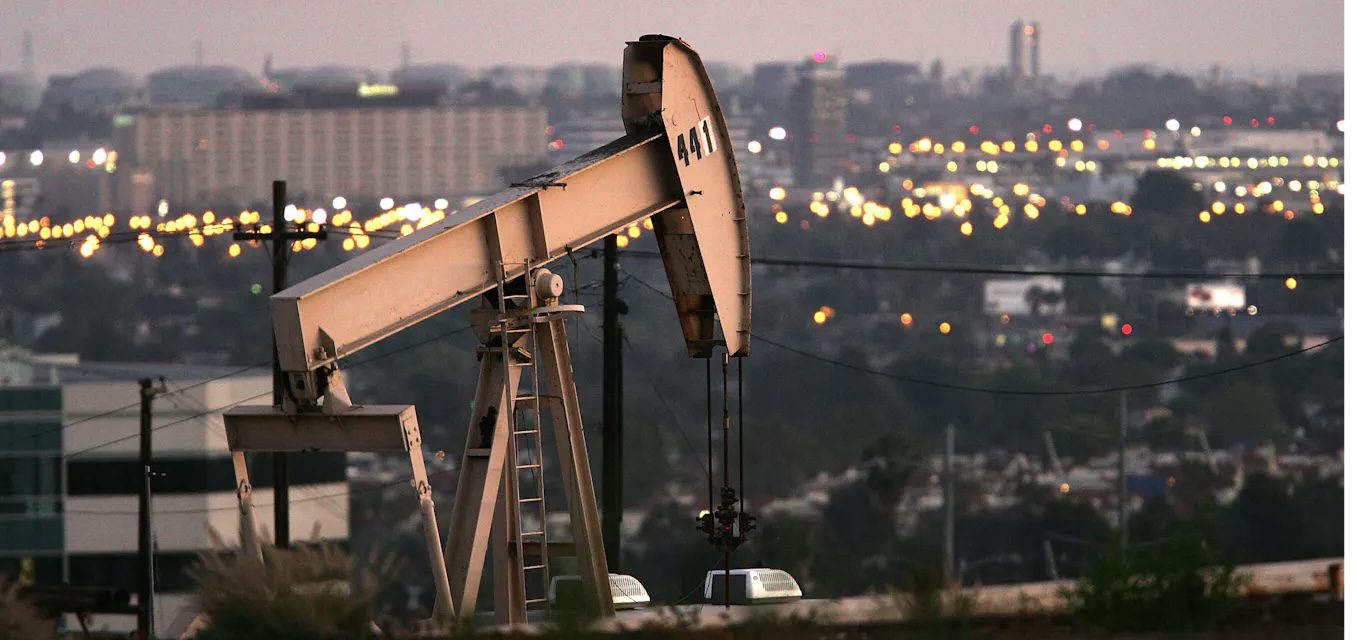
In Los Angeles, there are 26 oil and gas fields and about 5,000 operating and idle wells. Wells are located throughout the city, including Wilmington, Harbor Gateway, Downtown Los Angeles, West Los Angeles, South Los Angeles and the northwest San Fernando Valley. While some sites had to follow strict regulations regarding construction and reducing the effects of mining on citizens, others were not compelled to conduct health risk assessments or other environmental studies. In certain areas, such as South Los Angeles, residences are only a few feet from the drilling site boundary and 60 feet from an active oil well. Here, you can also learn about the Los Angeles Refinery. Find out more at los-angeles.name.
Inglewood Oil Field
The oil and gas fields in Los Angeles are rather shallow. The Inglewood Oil Field, located in Los Angeles County, California, is the second-most productive oil field in the Los Angeles Basin and the eighteenth-largest in the state. It was discovered in 1924 and has been producing oil continuously since then. In 2012, it produced about 2.8 million barrels of oil from about 500 wells. It has been estimated that since 1924 over 400 million barrels have been extracted from the field. Furthermore, according to the California Division of Oil, Gas and Geothermal Resources (DOGGR), it is possible to recover approximately 30 million barrels remaining on thousands of acres of the field using contemporary technology.
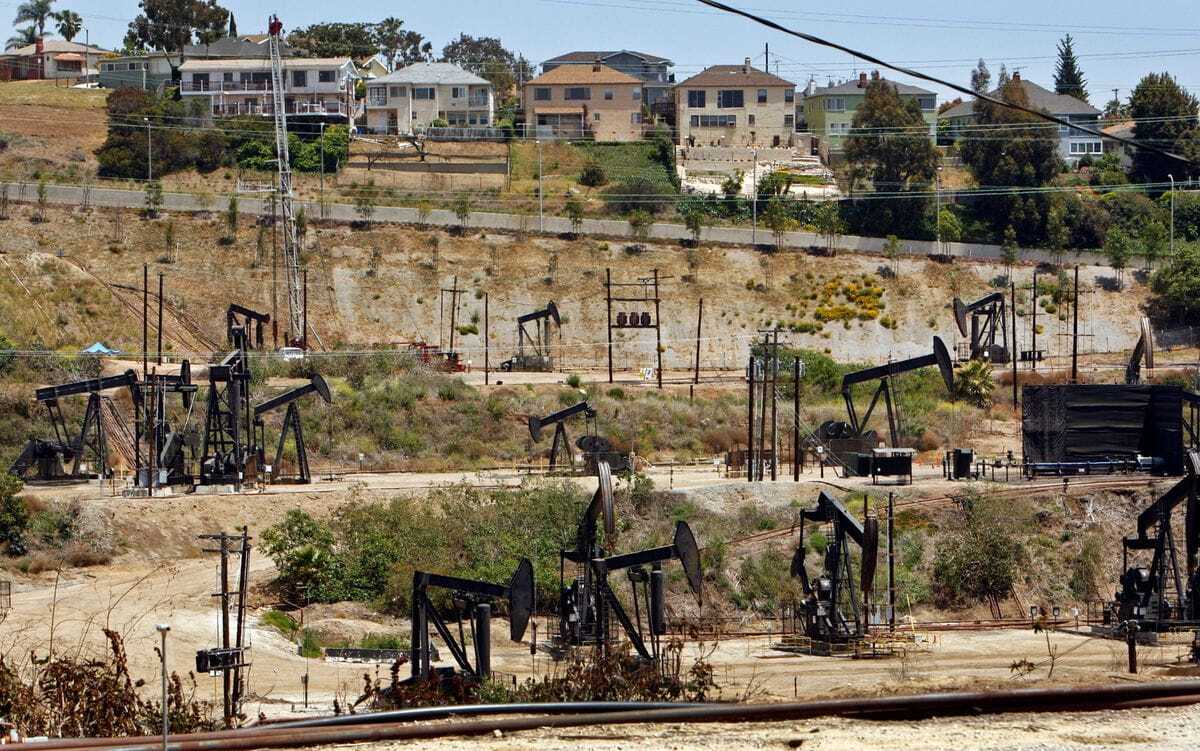
The Inglewood Oil Field has played a significant role in the history of Los Angeles. Since the discovery of oil and natural gas resources, the field has fueled the region’s life while also strengthening the local economy. Throughout its existence, the field has produced 1,600 wells within its historical boundaries.
Monterey Shale
Another field, the Monterey Shale Formation, covers around 1,750 square kilometers in the state’s south-central portion. According to IHS Cambridge Energy Research Associates, the Monterey Formation might hold up to 400 billion barrels of oil and gas. Experts believe there is a high probability of finding more industrial oil reserves in Monterey’s Miocene reservoirs. For example, Saudi Arabia contains around 200 billion barrels of conventional oil. Natural gas reserves can be as large as 2 trillion feet.
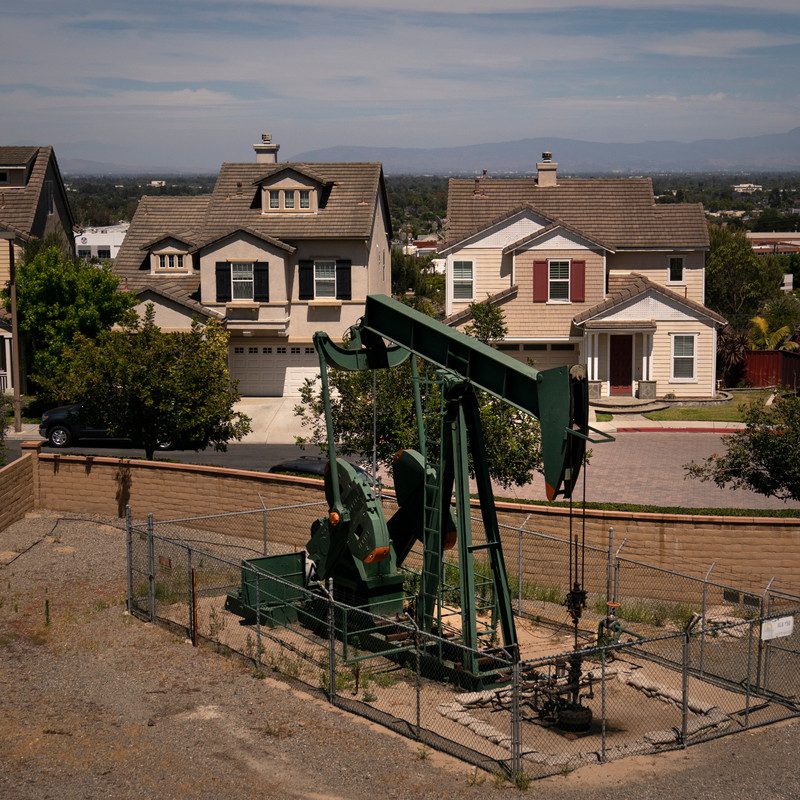
The Monterey Formation stretches from Northern California to Los Angeles, extending offshore and reaching distant islands. The oil in the field is located between 1.8 and 4.6 kilometers below the surface. This is not an issue, though, because technology allows you to work at this level. The reservoirs in this area are arranged in an accordion pattern, rather than horizontally, as is usual.
Aliso Canyon Oil Field
This is a natural gas field and storage facility in the Santa Susana Mountains of Los Angeles County, California. It was first discovered in 1938. The field peaked as an oil producer in the 1950s but has been active since its discovery. In 1973, the Southern California Gas Company transformed one of its depleted oil and gas resources, the Sesnon-Frew zone, into a gas storage facility. This reservoir is the second-largest natural gas storage facility in the western United States, having a capacity of over 86 billion cubic feet.
The field continues to produce oil, with 32 operating wells as of 2016. The gas storage tank is accessed via 115 gas injection wells and about 38 miles of pipeline internal to the field. The Aliso Canyon field is made up of many levels of oil and gas deposits along the southeastern anticline. These tectonic features create a structural trap that keeps oil in place.
In the early 1970s, the area’s oil reserves were drained. Since it was a huge and structurally reliable tank, it was excellent for use as a gas storage tank for a local utility company.
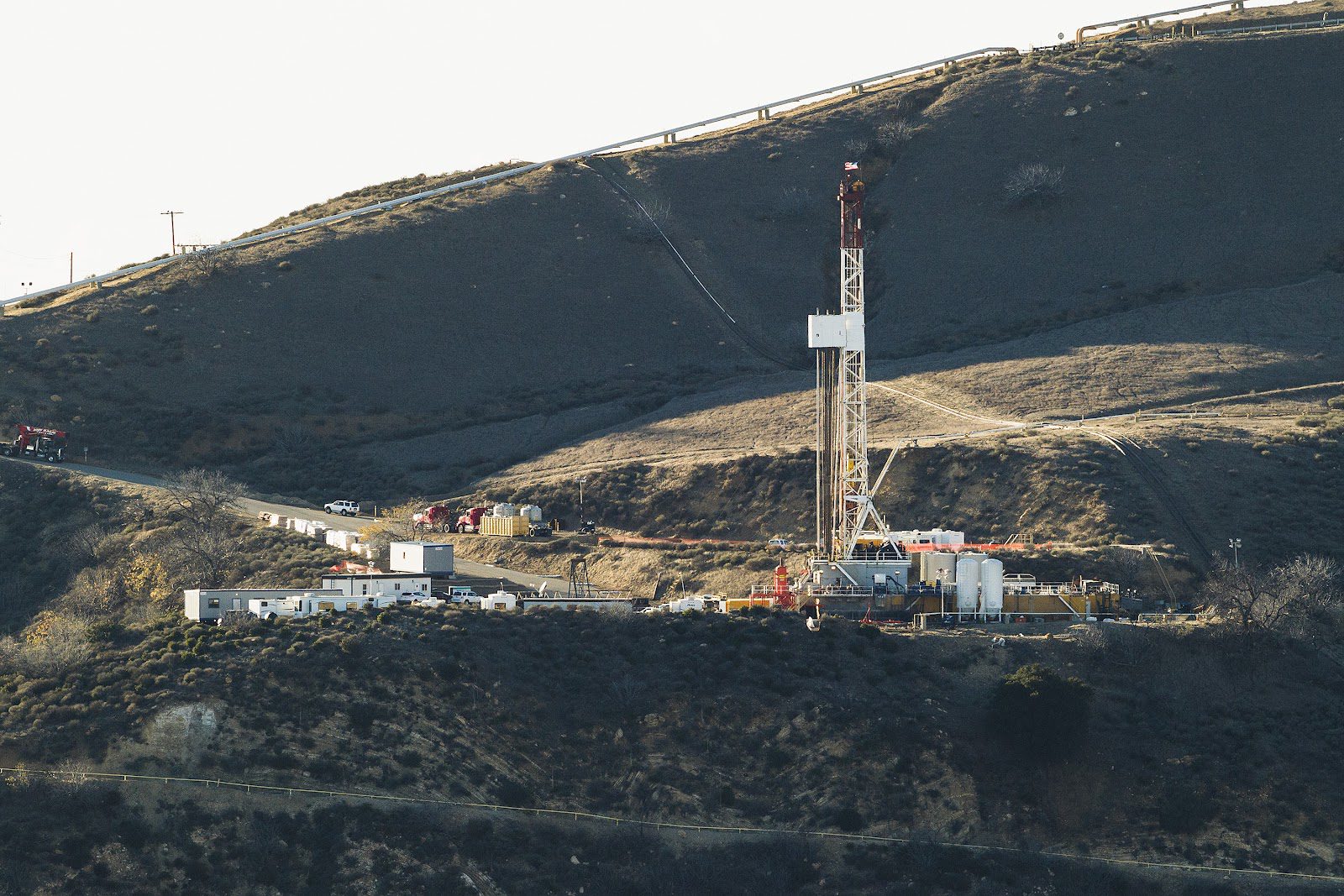
The natural gas storage facility has become the largest gas storage facility owned by SoCalGas and the second largest in the western United States. Storage fields are built to balance the load between the summer and winter months. After all, gas can be used throughout the winter, when it is in high demand, and then refilled in the warmer months.
In 2009, SoCalGas proposed expanding and modernizing the storage facility by replacing old gas turbine compressors with newer electric analogs. The project expanded the site’s gas injection capacity from 300 million to 450 million cubic feet per day. Following a research study of the projects and final environmental impact reports, as required by the California Environmental Quality Act (CEQA), the project was approved and construction started in 2014.
Gas leaks and hazards to the region’s population
In recent decades, leaks have occurred in the casing, tubing and wellhead. In 2013, two wells with casing leaks, four with tube leaks and two with wellhead leaks were detected. In 2008, it was discovered that one well, “Porter 50A”, had a surface annulus gas pressure of 400 pounds per square inch. This indicated a major underground leak and a potential safety hazard.
This well was immediately closed and an inspection discovered corrosion along a 600-foot section of the production casing that ended over 1,000 feet below ground.
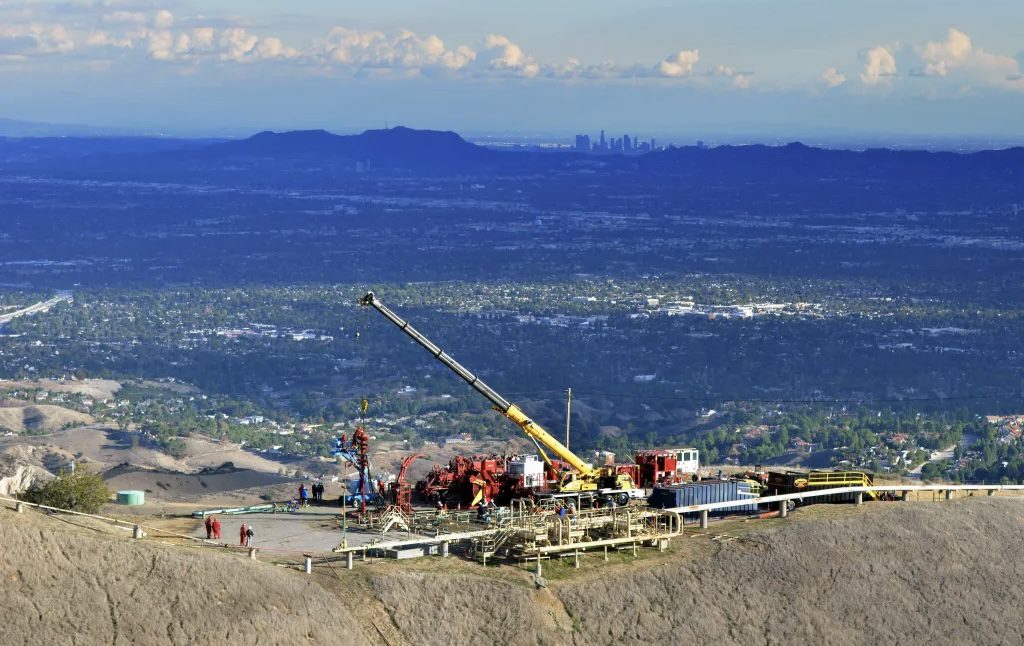
On October 23, 2015, a well break caused a massive methane eruption from the field, allowing over 60 million cubic feet of methane to escape in a day. The Standard Sesnon 25 well was originally installed in 1953 and converted to a gas injection well in 1973. However, it did not have a safety valve since it was deemed unnecessary given the well’s remote location, far from the residential area, at the time.
Fumes from the methane cloud, in the form of oily droplets and persistent odors, forced more than 6,000 families to evacuate and relocate to hotels and other rentals throughout the region funded by SoCalGas. Another 10,000 households were given air purification equipment at the company’s expense. Overall, the well was estimated to have discharged more than 100,000 metric tons of natural gas, the greatest such emission in US history.
Prohibition on oil and gas production
The Los Angeles City Council has voted to prohibit new oil and gas drilling and shut down existing wells over the next two decades. This landmark decision was made in response to years of complaints from residents about how pollution from nearby drilling has affected their health.
The oil industry has largely opposed the city’s ban, claiming that ceasing production will make Los Angeles more dependent on imported energy.
According to Los Angeles’s Green New Deal: “If we wish to build a truly fair, just and prosperous city, we have to ensure everyone experiences the benefits of a sustainable future.” As a result, the plan will focus on a sustainable policy that prioritizes economic opportunities: “We will mandate and incentivize the transition to a zero-carbon city in a way that prioritizes the needs and opportunities of disadvantaged communities, ensuring that the new green economy fulfills the promise of a more just and equitable economy.”