

Pyramid Lake is an artificial reservoir created near Los Angeles, surrounded by the majestic San Gabriel Mountain Range. It is one of the most popular recreation spots in California. Its rich history, natural beauty, and diverse opportunities for outdoor activities make this location a true gem for both locals and tourists. Also, find out how people and authorities in Los Angeles care for the environment. More on los-angeles.name.
History Before the Major Construction
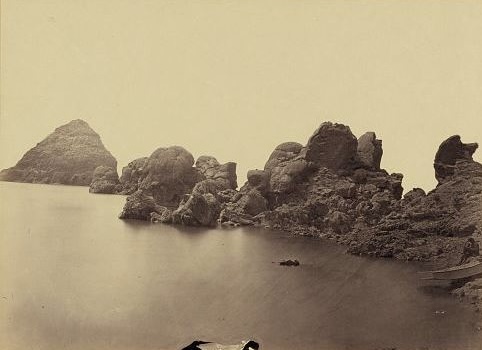
Pyramid Lake is situated near the border of California and Nevada. Before the 20th century, the area was home to native inhabitants who relied on fishing for survival. In 1843, gold was discovered near Pyramid Lake and in the Santa Felicia Canyon. However, settling the region proved difficult at the time, and the plans of the Mexicans ultimately failed. In 1859, Major Frederick Dodge emphasized the importance of preserving the water from Pyramid Lake and urged caution regarding the lake and its fish population. In 1902, the Derby Dam was built. The dam diverted water from the Truckee River, which flows out of the lake. The goal of this project was to provide the desert region with permanent access to water, effectively transforming the area. The dam diverted 48% of the Truckee River’s waters. This caused the lake’s water level to drop steadily until 1967.
In the early 20th century, the area around the lake was designated a National Wildlife Refuge. However, after the water began to dry up, this status was revoked. This led to the extinction of a large number of trout. Local fishermen abandoned the area, as opportunities for survival there dwindled. Almost all the fishermen left for Reno or elsewhere and never returned.
The Creation of the Reservoir
In 1967, the Endangered Species Preservation Act was passed. Concurrently, a decision was made to control the amount of water flowing out of the Truckee River. This meant that more water began to flow into Pyramid Lake.
It wasn’t until the second half of the 20th century that an earth-and-rock dam, measuring 386 feet high, was constructed by the California Department of Water Resources. Pyramid Lake is a section of the California Aqueduct, which is part of the California State Water Project. It is the deepest lake within the State Water Project system.
The creation of the reservoir was necessary for storing and transporting water to meet the needs of Los Angeles and surrounding areas. The lake’s name comes from a pyramidal rock that builders left behind during the construction of Interstate 5, and the name has remained historically.
The lake covers an area of about 7 square kilometers (approximately 1,700 acres) and holds an impressive volume of over 180 million cubic meters of water. Picturesque hills surround the reservoir, and the trees create a unique atmosphere for outdoor relaxation. The water in the lake is incredibly clean, and its color attracts photographers and tourists. Pyramid Lake not only serves as a water source but also holds ecological significance. Another important mission of the lake is to support the region’s biodiversity, providing a special habitat for various plant and animal species. It also plays a vital role in maintaining the water balance in California.
Recreational Activities at the Lake
Pyramid Lake is a popular destination for family recreation, camping, and active leisure. The most common activities include:
- Fishing: The lake is home to many species of fish, including trout, bass, catfish, and others;
- Water sports: Tourists can enjoy kayaking, water skiing, or simply take a boat ride;
- Beach recreation: There are designated beach areas for sunbathing, swimming, or organizing a picnic;
- Hiking: There is an opportunity to hike up mountain trails and enjoy incredible views.
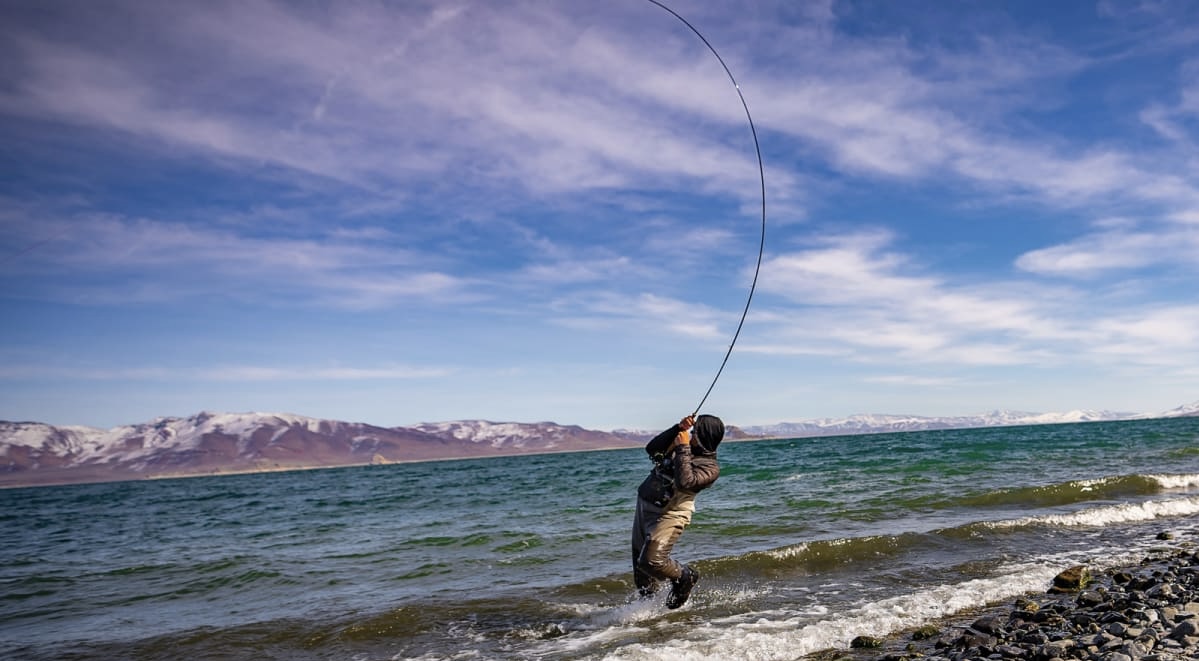
Fishing is permitted and accessible throughout the lake. All fishermen over 16 must have a valid California state fishing license. Fishing from docks or ramps is prohibited, and cleaning fish along the shoreline is also forbidden. A special fish cleaning station is provided for convenience. The area features a marina, a boat ramp, a beach, and picnic areas. The Los Angeles County Sheriff’s Department limits the number of boats allowed on the lake daily, typically around 50 personal watercraft (jet skis) and 150 boats. The campground has about 100 family sites with necessary amenities: restrooms, hot water, potable water, trash bins, and tent areas.
The Reservoir’s Educational Museum
The Visitor Center houses a museum dedicated to water. Here, you can learn everything imaginable about water. Colorful and creative interactive exhibits detail the process of how California receives its water—from scientific and technical history to current challenges. The various exhibits flow smoothly from room to room. The exhibition is designed to appeal to both young visitors and adults. The museum premises even include a cinema that shows films related to water.
For those seeking a break from the city bustle, whether they enjoy active recreation or simply want to relax peacefully surrounded by nature, Pyramid Lake is truly the perfect destination.