

This is a unique green space located in the heart of downtown Los Angeles. The park spans 32 acres (13 hectares) and is situated near the Chinatown district. Locals come here to relax, stroll, and learn more about the city’s history. The park hosts educational events, tours, and workshops to connect people with the area’s past. Also, learn about the mystical dam and reservoir known as “Devil’s Gate”. More on los-angeles.name.
The Park’s Origin Story
The park area boasts a rich historical background. In the mid-19th century, it served as a major transportation hub with high levels of railway activity. In 1876, this location and Los Angeles were changed forever with the arrival of the Southern Pacific Railroad. It logistically connected Southern California to the transcontinental railway system. The site of the current park was once Los Angeles’ main station and railyard.
In 2001, the State government purchased the land to create a green space that would preserve the area’s history. Following an extensive reconstruction, the park was officially opened to visitors in 2017. Today, it hosts a variety of cultural events, concerts, markets, and educational projects. Installations and markers are also present to tell the story of Los Angeles’ past and its development.
During the park’s construction, archaeologists uncovered thousands of carved 19th-century granite cobblestones. These bricks were originally used to create the railway surface to speed up train movement. In the 21st century, these bricks were used to create several walking paths so that park visitors would remember those who lived and worked on this very spot over 100 years ago.
Recreational Activities in the Park
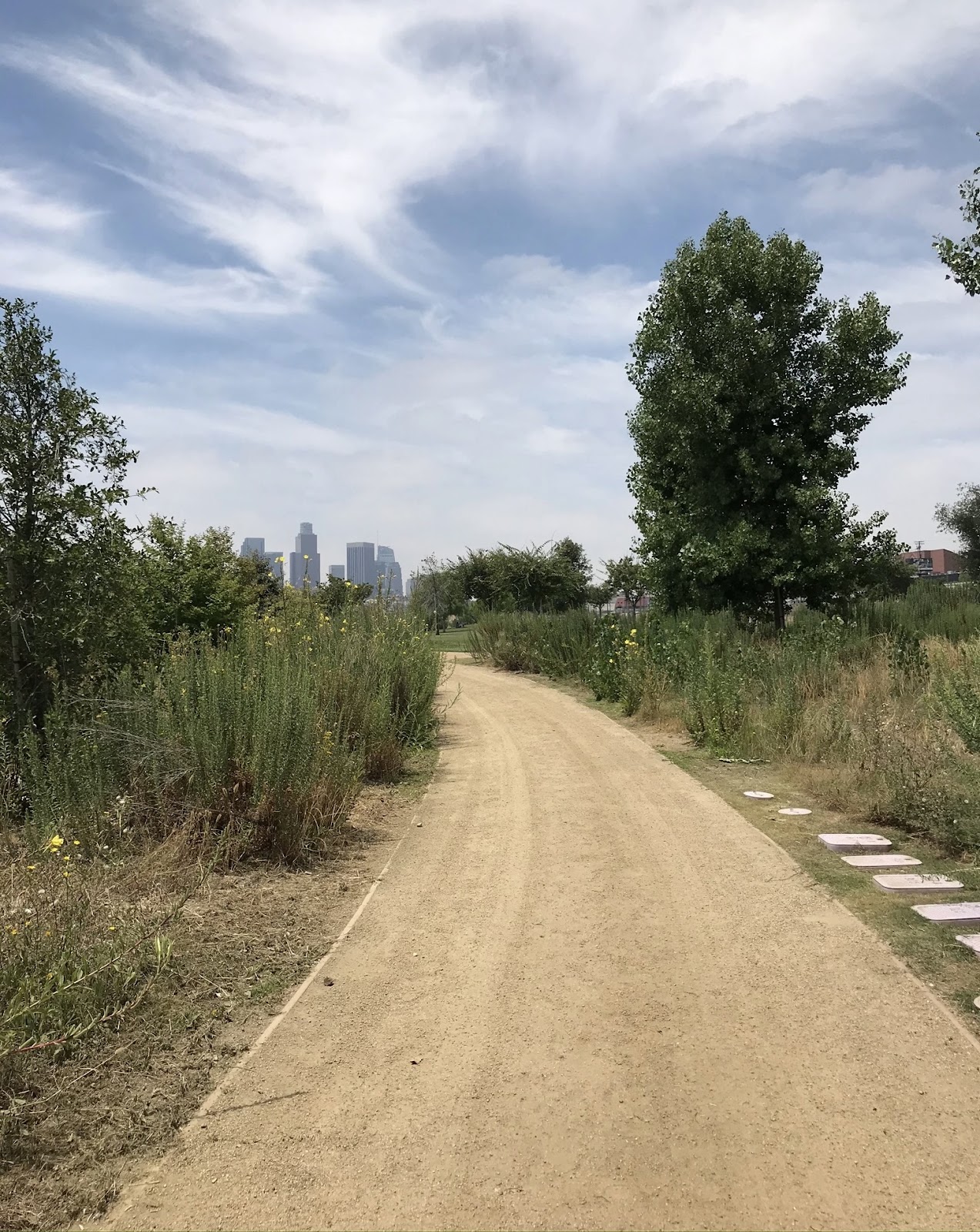
Los Angeles State Historic Park is divided into three main sections. On the large central lawn, people engage in sports, throw frisbees, and jog. The highest point of the park offers a panoramic view of the downtown skyline. A farmers market takes place near the park entrance every Thursday. At the northern end of the park, the lawn transitions into a forested area, featuring a small deck with an observation platform. In the 21st century, the Los Angeles State Historic Park is one of the favorite spots for both locals and tourists—it serves as a space for recreation, an educational platform, and a meeting place. The park’s popularity is an example of how history and modernity can coexist harmoniously in the heart of a metropolis.
One of the most popular activities here is walking and cycling. Thanks to the large open space and bicycle infrastructure, it is comfortable to jog, cycle, or simply take a leisurely stroll. Designated picnic areas are also available for spending time with family or friends. The park regularly hosts tours and lectures dedicated to topics related to Los Angeles. It is also a frequent venue for outdoor exhibitions, concerts, and film screenings. Local artists use the park as a platform for their creative projects. Environmental standards were factored into the green space’s reconstruction, making the park an example of sustainable development.
Unique Flora
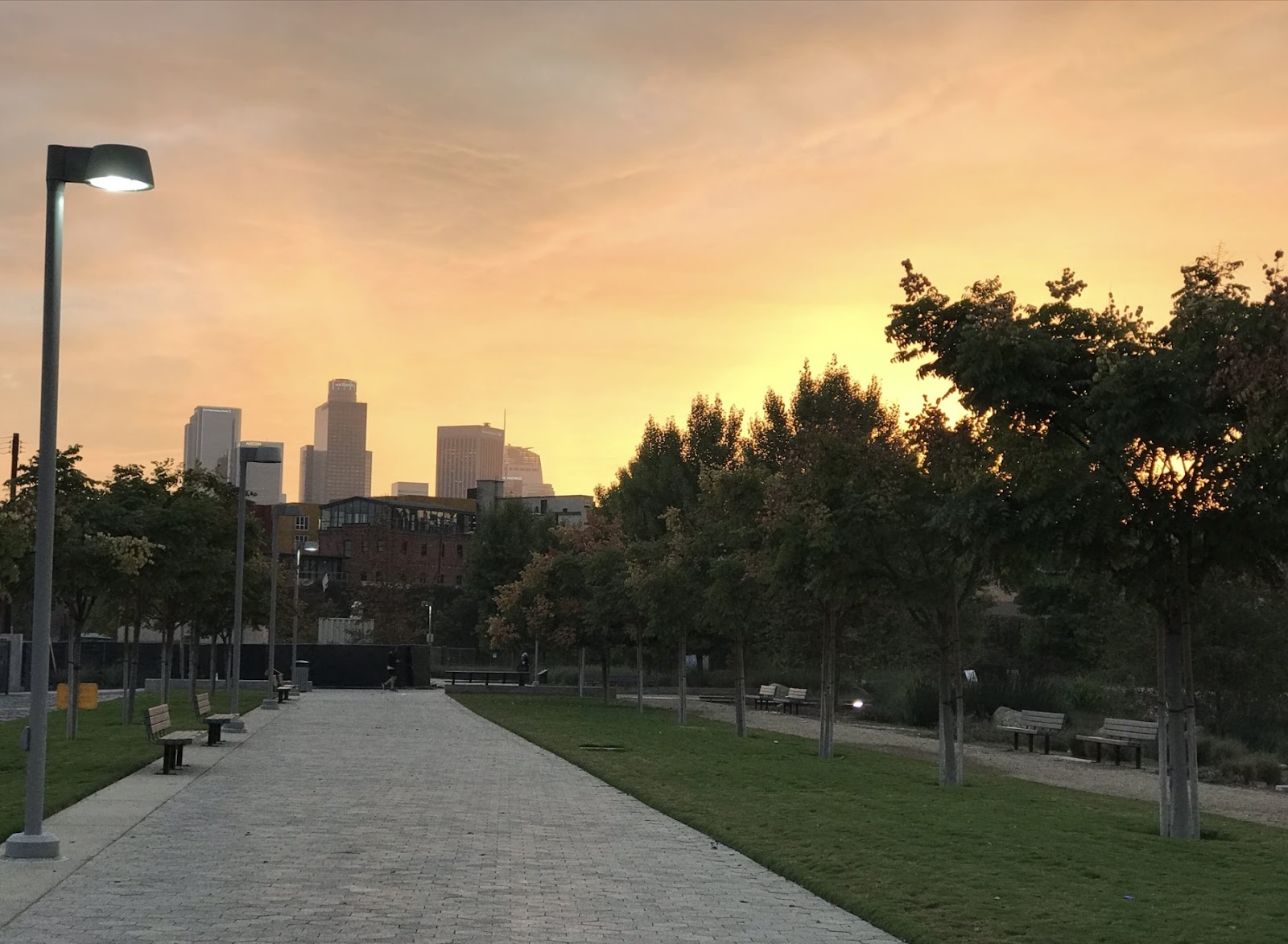
During the restoration, numerous plant species characteristic of Southern Californian steppes, meadows, and coastal areas were planted. The park’s flora includes endemic, drought-resistant species chosen to suit the Los Angeles climate. Among them are the California poppy, succulents and cacti, California sagebrush, and others.
The Los Angeles State Historic Park is distinguished by its unique native California plants and wildlife. One example is the agave—an exotic, drought-resistant plant with succulent, large leaves. Agave is also called an “century plant” because some species take over a hundred years to flower. Its flowers come in various colors, from yellow to red, and the inflorescence can reach over nine meters (30 feet) in height. Agave plants hold special significance for the people of Mexico. Its leaves contain strong fibrous tissue, which was used in ancient times to make ropes and footwear.
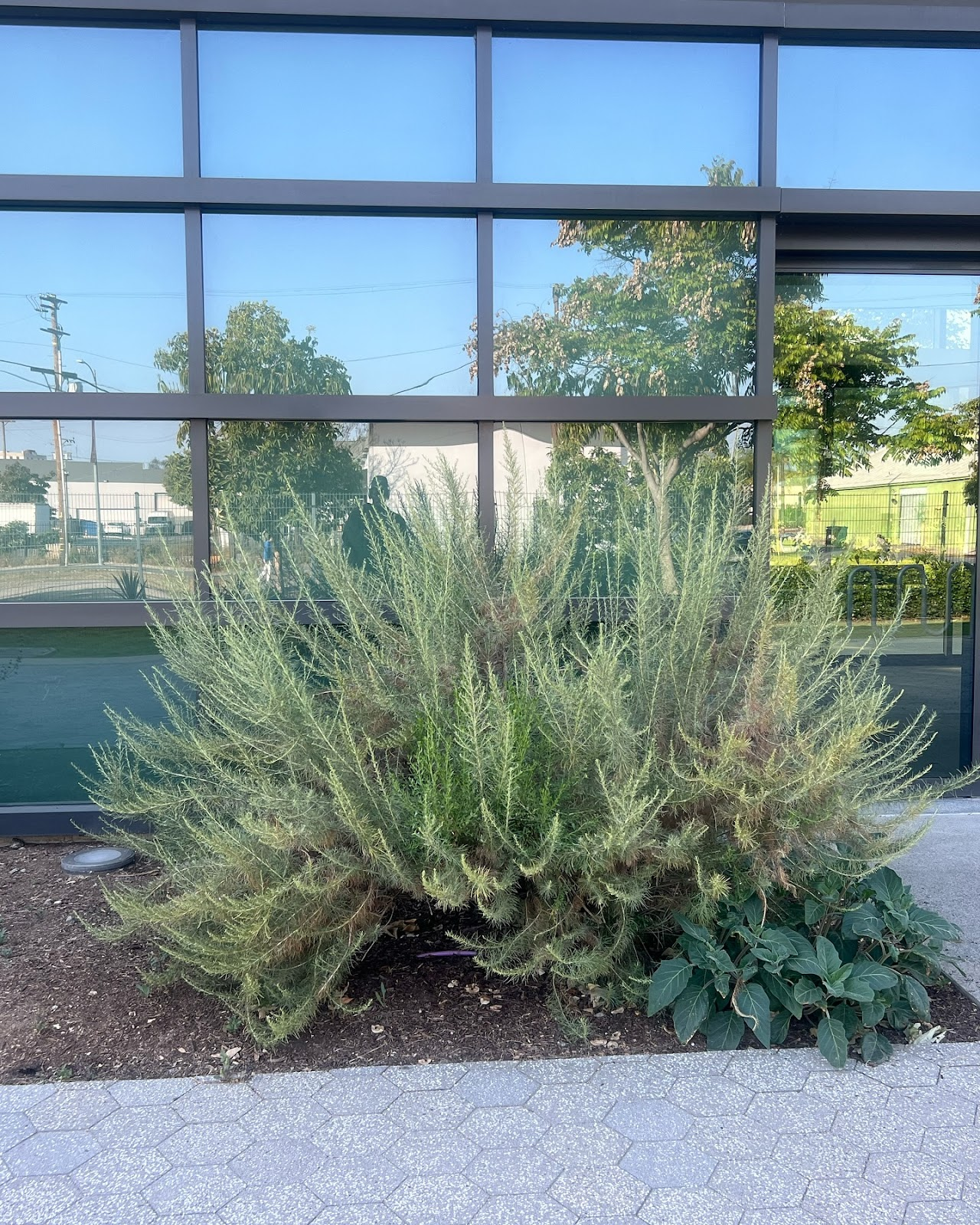
Another plant popular with visitors is Artemisia californica (California sagebrush). It is a rare, evergreen, drought-resistant plant that can grow up to 8 feet high and 4 feet wide. Artemisia californica is valued for its pleasant aroma and can be used as a spice in cooking. The plant earned the nickname “cowboy cologne” due to its popularity during the Wild West era. The native Tongva people referred to its medicinal properties, particularly brewing tea from it for respiratory ailments.
The park is not only a recreational area but also an educational space. It hosts workshops and tours that introduce visitors to the local flora and the importance of its preservation. Thus, Los Angeles State Historic Park is more than just a green space in the heart of the metropolis. These unique plants exemplify the harmonious blend of the urban city and nature. Therefore, this green zone is one of the most beloved locations for locals and tourists who enjoy spending time outdoors and connecting with nature.