California takes sustainability seriously. The proof is in the numbers: according to the USGBC, the state ranked in the top 10 for LEED certification in 2019. This achievement is impossible to discuss without highlighting the role of CALGreen, which was not only the first green building code in California but also the first statewide green building mandate in the entire nation. You can learn more about this at los-angeles.name.
CALGreen: Raising the Standard
CALGreen, officially the California Green Building Standards Code, began its journey in 2007 with the goal of developing ecological building standards and meeting the targets set by California’s climate initiative. A law was passed requiring a comprehensive program to reduce greenhouse gas (GHG) emissions to 1990 levels by 2020. The plan specifically identified buildings as a major source of GHG emissions in California. Consequently, Senate Bill 1473 (Statutes of 2008) empowered the California Building Standards Commission (CBSC) to develop green building standards for non-residential structures, including commercial properties and government buildings.
CALGreen sets high benchmarks for both residential and non-residential construction, aiming to reduce negative environmental impact and boost energy efficiency. This code is crucial because it promotes saving water and energy, minimizing waste, and prioritizing renewable power sources. Furthermore, by mandating the use of ecological materials and advanced ventilation systems, CALGreen ensures cleaner indoor air quality.
Adhering to CALGreen standards helps cut greenhouse gas emissions and slow the rate of global warming. Buildings designed and constructed under this code also foster a healthier environment for residents and workers across the state.

The Four Core Goals of CALGreen
CALGreen is designed around four overarching goals:
- Reducing greenhouse gas emissions from buildings. This is achieved through high energy efficiency, meaning the use of solar panels, effective insulation, energy-saving appliances, and clean energy sources like solar and wind. CALGreen-compliant buildings must minimize the use of natural gas and other fossil fuels.
- Creating environmentally responsible, cost-effective, and healthier places to live and work. This requires companies to use eco-friendly materials and ensure a healthy indoor environment, emphasizing adequate lighting, ventilation, and comfort. Additionally, buildings must be accessible to people with disabilities.
- Decreasing energy and water consumption. This goal is met by optimizing heating, ventilation, and air conditioning (HVAC) systems. Implementing rainwater harvesting and using water-efficient plumbing fixtures are key to effective water use.
- The final goal is responding to administrative environmental directives. Buildings constructed under CALGreen standards must comply with all requirements set forth by California’s environmental legislation.
The Green Building Corps Internship Initiative
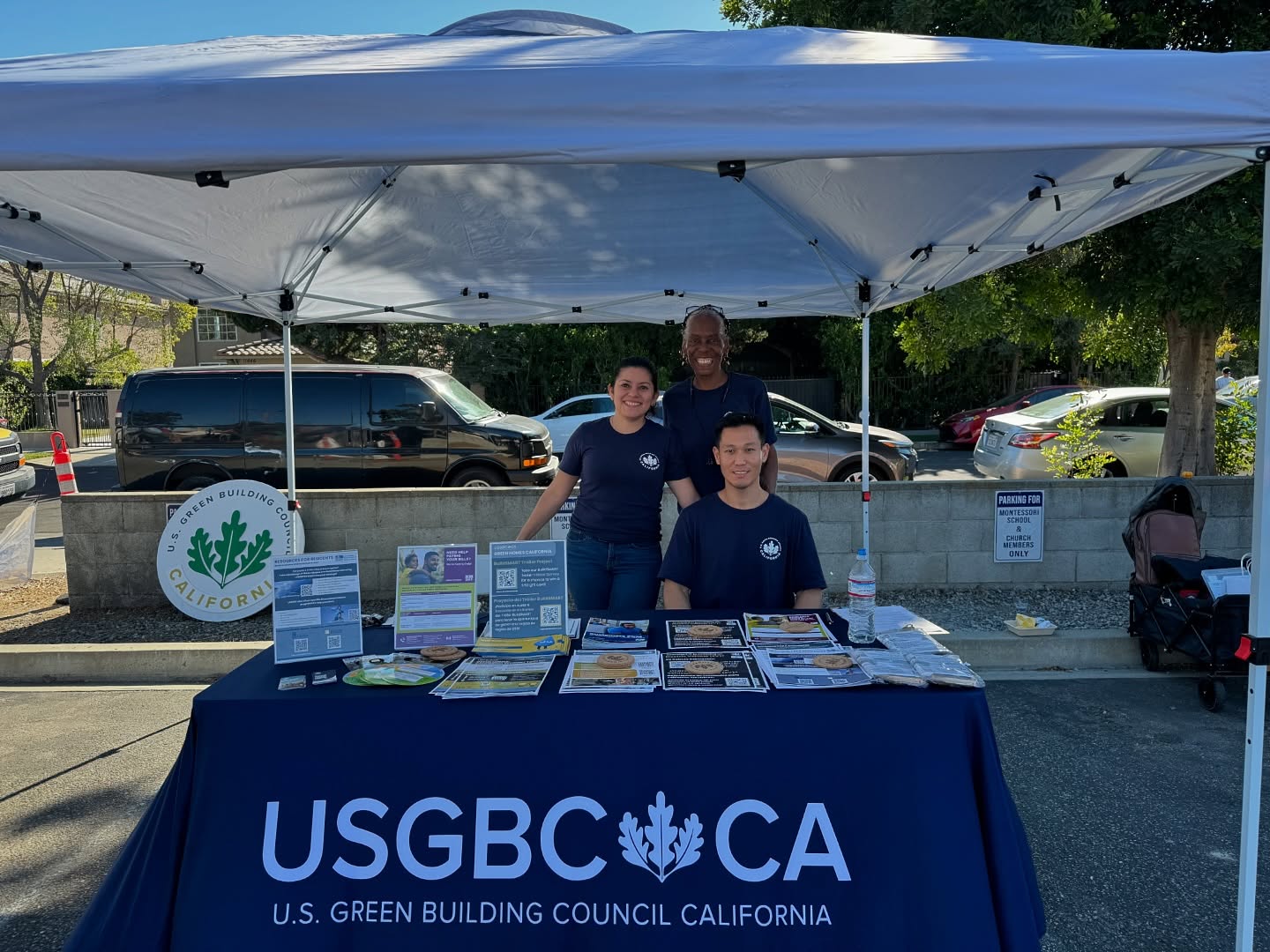
The USGBC California Green Building Corps (GBC) offers individuals the chance to gain practical experience, build new connections, and actively contribute to California’s green building projects. This structured internship initiative aims to enhance the overall well-being, accessibility, and sustainability of housing for state residents.
This internship program includes mentorship (assigning a mentor for professional development) and participation in various green building projects, such as the Annual Environmental Justice Project, micro-grant initiatives for green schools, and a curriculum focused on biodiversity conservation. Interns also receive access to training materials and events organized by the USGBC California Green Building Corps (GBC).
GBC members are required to commit to a six-month term, during which they dedicate 10–20 hours per week of their time on a voluntary basis.
California’s Inspiring Green Buildings
In conversations with architects, you often hear that California is “different.” Design teams must comply with stringent building codes and regulations. Simultaneously, large and small firms are constantly seeking ways to make their projects better for the community.
Here are five inspiring examples from California:
- Paradise High School. Designed and visualized by Studio W Architects, this high school project was necessary after a tragic fire destroyed most of Paradise, forcing the Paradise Unified School District to reimagine its campus. According to Brian P. Whitmore, the high school will feature new classrooms, a multi-story lecture hall, and an administration building. The library will be an open and bright space. Key features include an emergency power generator, fire-resistant construction, a metal frame, and fire sprinklers.
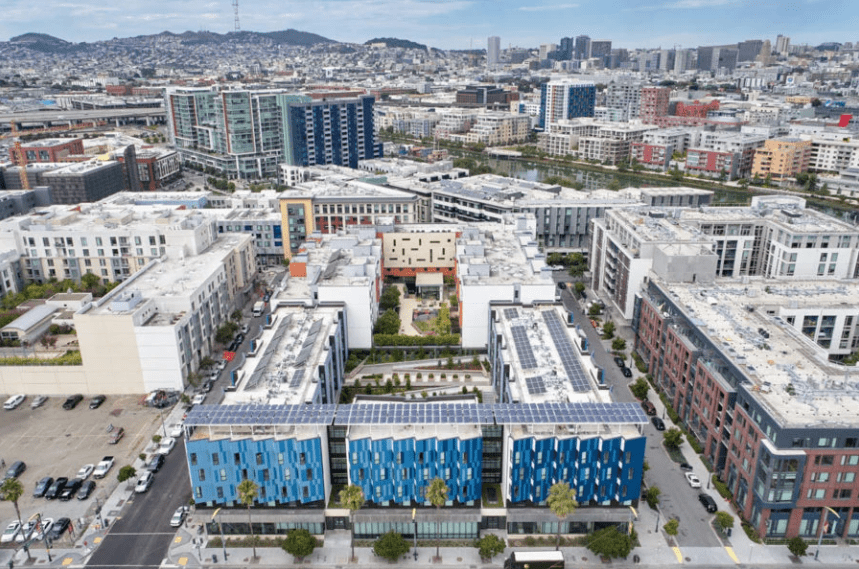
- Fairview Heights. This development includes over 100 units of affordable housing, ground-floor commercial space, learning areas for youth and adults, and a community police center. KFA Partner John Arnold noted that one of the project’s most impressive features is the massive battery of solar panels on the roof. The firm managed to save roof space by replacing standard mechanical condensers with wall-mounted heat pumps. The photovoltaic system was designed to be robust enough to power nearly 14,000 square feet. The landscaping was also chosen with ecological considerations in mind.
- Stanford Center for Academic Medicine in Northern California. Approximately 20% of the project is dedicated to open-air spaces with a subtly tuned, comfortable microclimate. Office wings have access to the outdoors via walkways, public access is provided, and there are convenient connections to the arboretum trails. According to NBBJ Global Practice Director Kay Sargent, organic spaces help people feel healthier and more active, stimulating their creativity and fostering a positive mood.
- Parkside North at California State University, Long Beach. This is a 127,000-square-foot, four-story complex. The rooftop terrace features 235 solar panels. This dormitory was created not just for living but also for community development.
- Edwin M. Lee Apartments, designed by Leddy Maytum Stacy Architects. This is an excellent example of affordable housing in California, providing 62 apartments for formerly homeless veterans and 47 apartments for families earning 50% to 60% of the Area Median Income (AMI). The building features a low-carbon construction envelope, an open courtyard, a community garden, and solar panels. Residents can enjoy natural light and views of the bay.
A Comprehensive Approach to Construction
CALGreen represents a comprehensive approach to construction, with the primary goals of creating healthy, efficient, and ecologically sound buildings. This helps conserve the environment while simultaneously improving the quality of life for people.