

It’s hard to imagine that back in the 1940s and 1950s, Los Angeles was among the most polluted cities in the nation. The severity of the situation was staggering, with dense clouds of brown smog making the air so hazardous that parents hesitated to send their children to school. During that period, the number of asthma cases and lung diseases was on the rise. However, much has changed since then. Los Angeles has become the leading solar energy city in the U.S., establishing itself as a true trailblazer in renewable energy. The fascinating story of this transformation and the environmental solutions that have shaped the city will be explored by Los Angeles Name.
The story of solar energy
Many city residents might view this as a recent technological breakthrough, but that’s not the case. The story of solar energy dates back to ancient times and is quite intriguing. For instance, in the 18th and 19th centuries, solar ovens were created for use on ships and steamboats started using solar power. These instances highlight how people have long been eager to tap into the sun’s vast energy.
The era of significant scientific breakthroughs took place in the mid-19th century:
In 1839, Edmond Becquerel made a groundbreaking discovery during an experiment, identifying what we now call the photovoltaic (PV) effect. This effect refers to the capability of solar panels to convert sunlight into electricity.
In 1882, Thomas Edison launched the world’s first coal-fired power plant.
The following year, Charles Fritts created the first operational selenium solar cell and built the first rooftop solar panel. Notably, he aimed to commercialize his invention, aspiring for it to compete with Edison’s coal power plant. However, the low efficiency of solar cells at that time posed a challenge to this goal.
Fast forward to 1954, when scientists at Bell Labs created the modern PV cell. Just four years later, components of this innovation were utilized to power satellites sent into space. Overall, much of the early development in PV technology was spearheaded by the U.S. government.

Clean Air Act
In the early 1940s, residents of Los Angeles faced severe smoke pollution that disrupted daily life, forcing children to stay home and miss out on sports activities. Medical professionals began to report an increase in lung diseases and asthma cases. In response to their concerns, citizens demanded solutions and the establishment of the first environmental regulations.
In 1963, Congress introduced the initial Clean Air Act, which was progressively revised by government officials to include stricter rules. By 1975, citizens noticed a significant improvement in air quality when the U.S. mandated that all new vehicles be fitted with catalytic converters.
This change made driving less harmful, but the broader issue persisted—both Los Angeles and the rest of the nation were still heavily reliant on fossil fuels. It became clear that the people of Los Angeles and the entire country needed to seek alternative solutions for their health and the environment‘s well-being.
California’s initial solar power plants
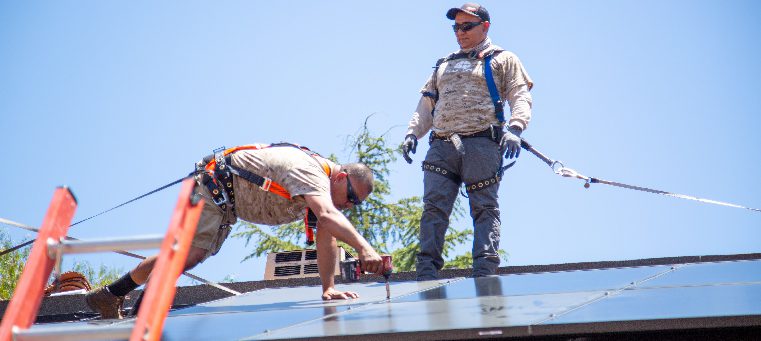
They started popping up in the mid-1980s. But what was happening before that? For several decades, the potential of solar energy went largely untapped. This can be easily explained by the low price of oil and the uncertainties surrounding climate change. The turning point came with the oil embargo of the 1970s, which left Americans standing in long lines at gas stations. During this period, the importance of advancing alternative energy sources became clear to citizens, researchers and lawmakers alike. As a result, there was a significant boost in funding for research and development in renewable energy.
The government also played a beneficial role in this initiative by promoting the use of solar panels among citizens. In 1978, the adoption of the Public Utility Regulatory Policy Act and the Energy Tax Act set the stage for net metering and provided tax benefits for those who opted for solar energy.
Continuous improvements in solar panel technology have led to significant gains in efficiency and reductions in costs. For instance, top brands today can achieve efficiencies exceeding 20%.
An amazing transformation
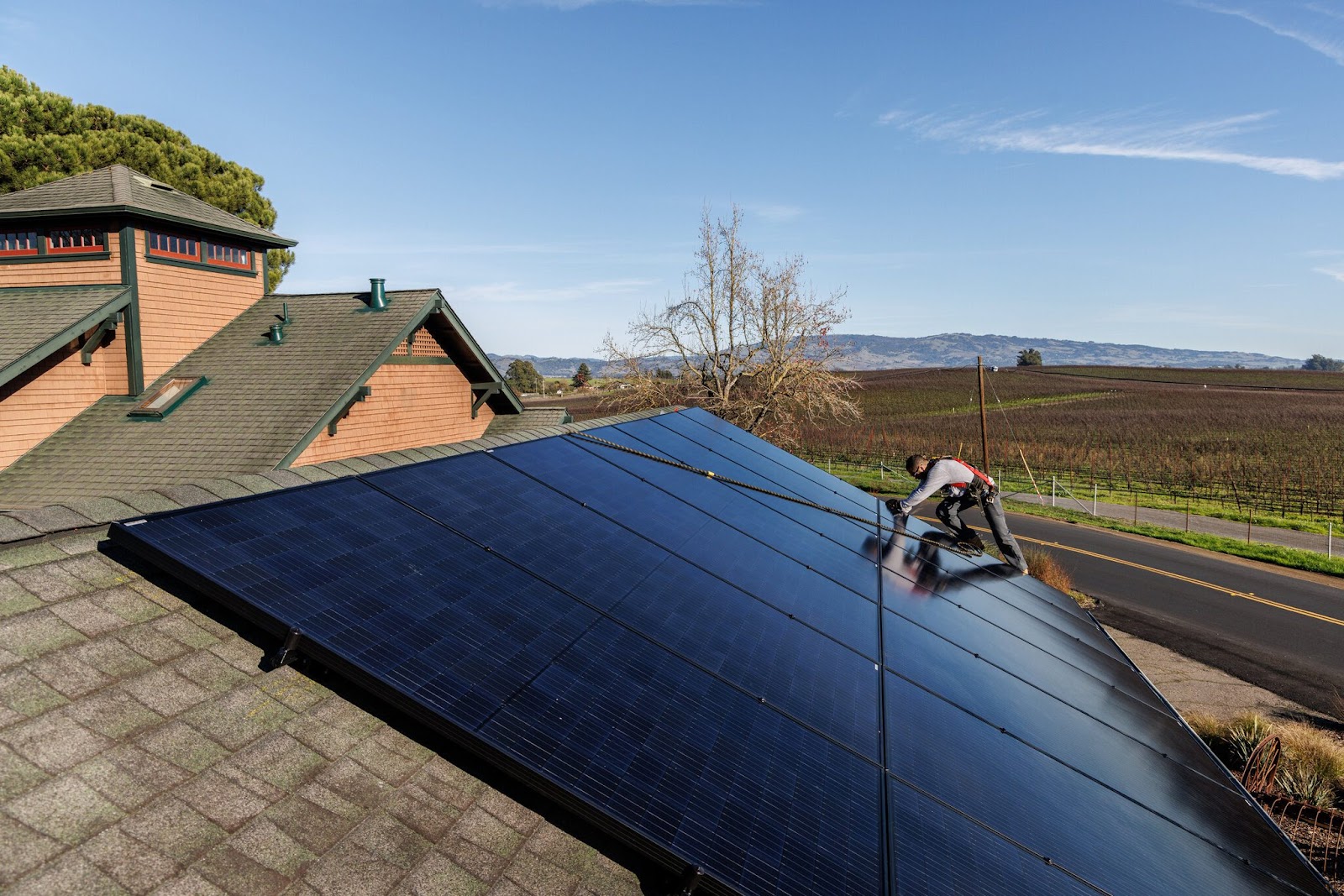
Los Angeles has taken the lead in solar panel production among all cities in the U.S. The journey to this achievement is quite fascinating and deserves a closer look.
For instance, in 1996, Governor Pete Wilson encouraged utility companies to enable solar systems to connect with their grids. This pivotal moment laid the groundwork for a strong net metering system in California, enhancing the accessibility of solar energy in Los Angeles.
In 2015, Governor Jerry Brown enacted Senate Bill 350, which mandated that the state derive 33% of its energy from renewable sources by 2020. By 2030, that requirement is set to rise to 50%. What’s particularly impressive is that California actually surpassed the ambitious 2020 target as early as 2017.
Following this achievement, Senate Bill 100 was passed, pledging that California will be fully carbon-free and energy independent by 2045. A key part of reaching this ambitious target is utilizing solar energy. Therefore, beginning in 2020, the California Energy Commission mandates that all new homes and businesses incorporate solar energy systems.

New environmental solutions in the city
In April 2018, a report titled ‘Shining Cities 2018: How Smart Local Policies Are Expanding Solar Power in America’ was released. It highlighted Los Angeles as the nation’s leader in total solar PV capacity, based on an analysis of 65 cities.
Cities that have installed solar PV capacity of 50 watts or more per person are referred to as “Solar Stars.” These cities are at the forefront of solar energy advancement in the country and serve as a model for others to follow.
The 2018 report revealed that Los Angeles added 349.3 MW of solar power within the city. This amount of energy is sufficient to power 82,500 homes, remove the carbon footprint of over 40,000 vehicles and reduce greenhouse gas emissions by 187,304 metric tons.
The 2.21 MW solar installation
In 2018, the Los Angeles Convention Center, managed by AEG Facilities and owned by the City of Los Angeles, introduced an impressive solar array with a capacity of 2.21 MW. At that time, it stood as the largest solar installation in the public sector on the West Coast.
As part of the City’s Sustainability Plan, Los Angeles initiated the Solar Rooftops program, aimed at installing solar panels in communities with low solar adoption rates. This initiative is also expected to benefit low-income neighborhoods. Additionally, it simplifies the process for city residents and businesses in Los Angeles to transition to solar energy by allowing them to obtain permits online.
A journey to leadership
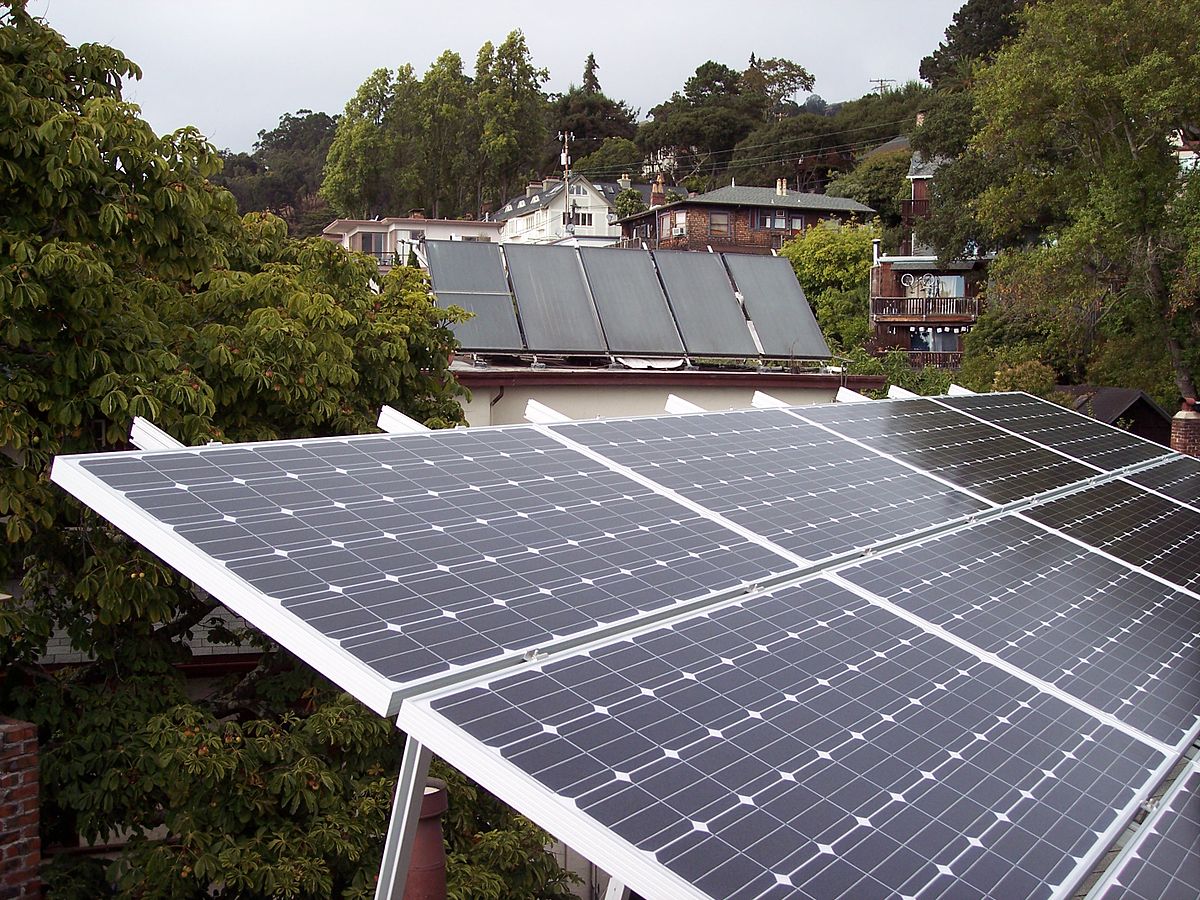
Los Angeles has undergone a remarkable transformation, navigating a challenging journey. It’s hard to imagine the city in the early 1940s, cloaked in pollution and smoke like something out of a horror movie, compared to the vision of 2045, where it boasts complete energy independence and a carbon-free environment.
The city is leading the way in adopting clean energy, addressing climate change and protecting the health of its residents, while advancements in solar panel technology are on the rise. Los Angeles appears to be on track to transform into a fully renewable energy city within the state.