

The story of the eco-village established in Los Angeles is quite fascinating. This lively community covers two blocks and occupies 11 acres. Los Angeles Name will share more details about eco-friendly homes designed for city residents who want to live sustainably. Learn more about eco-friendly homes designed for sustainable living in the city with Los Angeles Name.
What is known about Los Angeles Eco-Village?
The Eco-Village was born in 1993 through the tireless efforts of the Cooperative Resources and Services Project (CRSP), which was initiated by Lois Arkin, a member of the Village community. According to its official website, CRSP is a non-profit organization dedicated to community development and providing educational assistance to small cooperatives. Since 1980, it has maintained an office and library in the Bimini and White House Place neighborhoods. Today, CRSP remains a vital resource for small environmental cooperative communities within the Los Angeles Eco-Village.
In April 1992, in response to civil unrest, the nonprofit organization decided to direct its resources toward the Los Angeles Eco-Village demonstration project. At that time, CRSP owned two buildings and fundraised their essential rehabilitation and environmental upgrades through the Ecological Revolving Loan Fund.
The concept of an eco-village refers to a fully operational, mixed-use area that promotes healthy human development while harmonizing human activities with the natural environment. By definition, eco-villages feature various initiative centers that can thrive sustainably in the long term.
Lois Arkin shared that the journey of the Los Angeles Eco-Village started in 1983, which means it took a decade of dreaming and meticulous planning to come to fruition. By the late 1980s, she had selected an 11-acre vacant lot owned by the city, which was a non-toxic landfill located in Northeast Los Angeles.
The project gained momentum through the efforts of a dedicated volunteer committee, collaboration with innovative architects and community outreach, all of which helped integrate the eco-village concept into the city’s residential framework. The project officially launched on January 1, 1993. In interviews, Lois Arkin fondly recalled how she and a few volunteers would walk through the neighborhood, engaging with locals, discussing beneficial initiatives and even planting fruit trees together.
The vision for the Los Angeles Eco-Village involves a thorough rethinking of urban living, emphasizing strategies to promote sustainability and mindfulness in our everyday activities. Its goal is to reduce our environmental impact while also enhancing our overall quality of life.
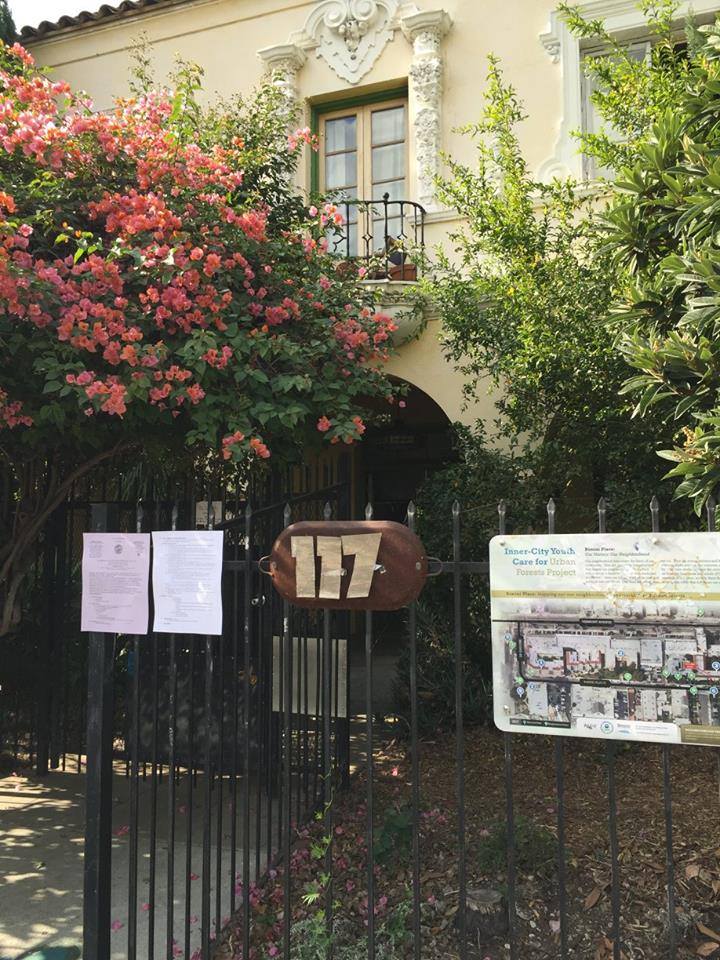
Overall impressions and features
Eco-Village offers a distinctive and refreshing alternative to traditional neighborhoods in Los Angeles, creating a delightful living experience for its residents. Some of its notable features include:
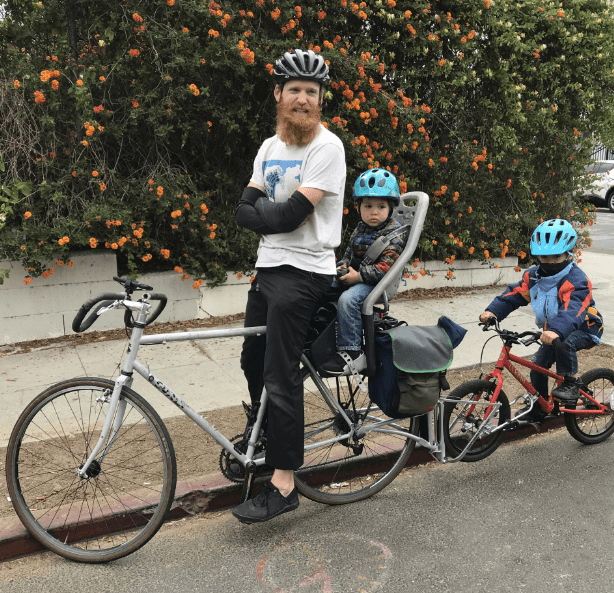
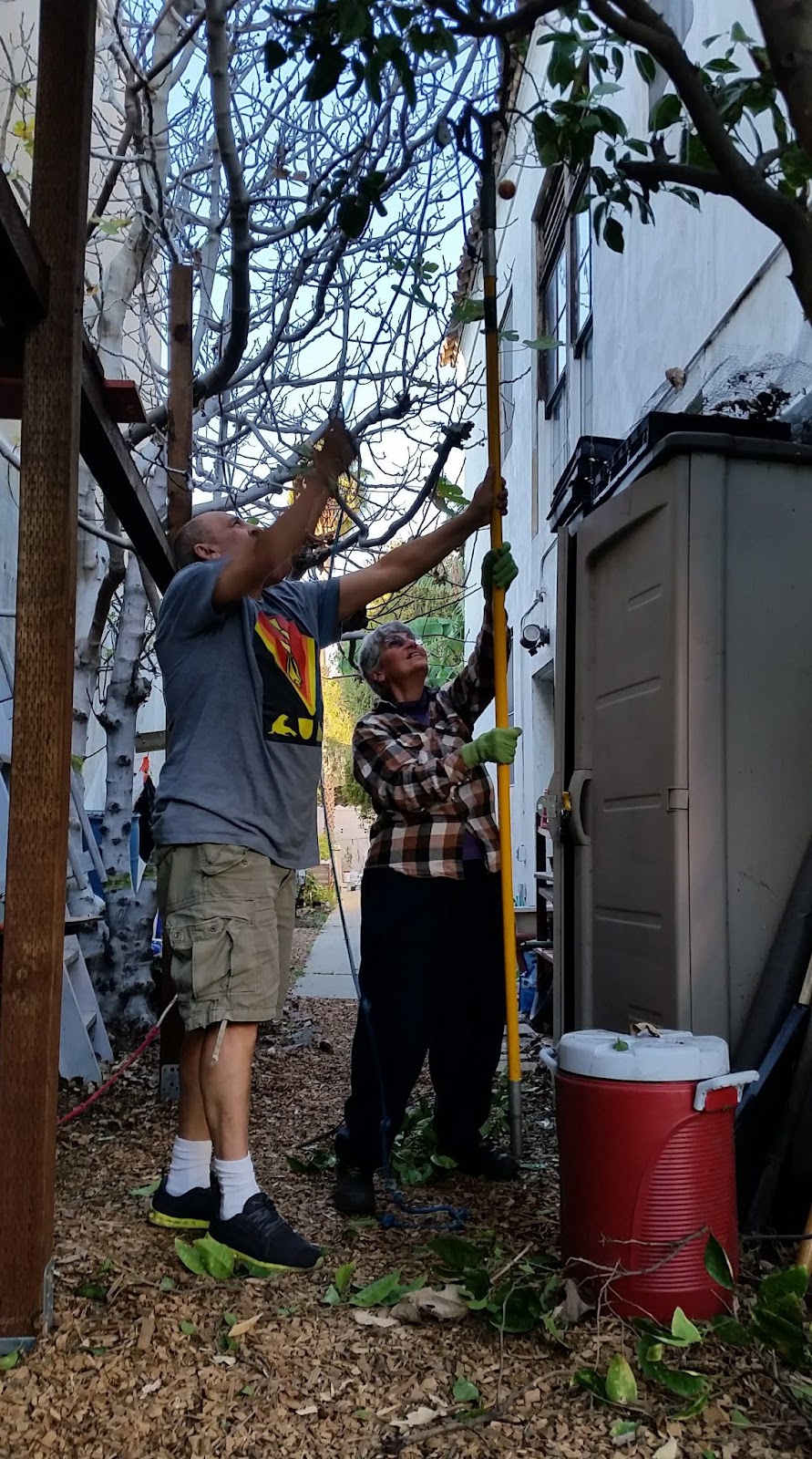
- A commitment to environmental sustainability. This means focusing on sustainable development, minimizing car use, creating green spaces and cultivating food. You might even see some live animals, such as chickens, roaming around.
- Another notable aspect is the strong sense of community, characterized by a supportive atmosphere, collaborative events and a shared vision for the future.
- Residents of the eco-village also make a conscious effort to reduce consumption, opting for local and seasonal foods.
- This Los Angeles spot truly encourages a connection to nature, thanks to its vibrant green spaces and the seamless integration of nature into everyday life.
Objectives for Neighborhood Planning
These objectives emerged after Eco-Village joined the LEED for Neighborhood Development pilot program and each one deserves further discussion.
- Revitalization of the Bimini Hot Springs. Achieving this objective will not only preserve the historic heritage of the area but also establish it as a key attraction. The renovation of the bathhouse will provide a range of recreational activities, appealing to both locals and tourists seeking relaxation. In addition, the project’s energy efficiency will be evident through the use of geothermal energy to heat the water in the baths.
- The next objective is to create affordable housing for teachers, which will help establish a more stable teaching environment and improve the overall quality of education. Moreover, teacher co-housing provides an opportunity for sharing experiences and developing joint initiatives.
- Fostering small business growth to enhance the local economy, support diversity and create a lively community center for social engagement.
- Implement geothermal heating to lower greenhouse gas emissions. From a long-term perspective, this approach is more cost-effective than traditional heating systems.
- Biological water treatment. This objective implies the preservation of water resources through water purification and reuse. Furthermore, wastewater treatment facilities can be creatively designed to enhance the beauty of the surrounding area.
The objectives set by Eco-Village in the LEED for Neighborhood Development pilot program showcase a city’s ability to develop in an environmentally friendly and harmonious way.
Over the years
In 2013, Los Angeles Eco-Village celebrated its 20th anniversary with a special fundraising event that showcased its dedication to sustainable living. Jackie Goldberg, who was serving as a City Councilmember and State Assemblymember at the time, attended the celebration. She had previously advocated for the establishment of the eco-village, believing it was more than just a temporary initiative. Today, Los Angeles Eco-Village proudly enters its 32nd year of operation.
An ex-resident described the Eco-Village as an intriguing place filled with unique energy and creativity.
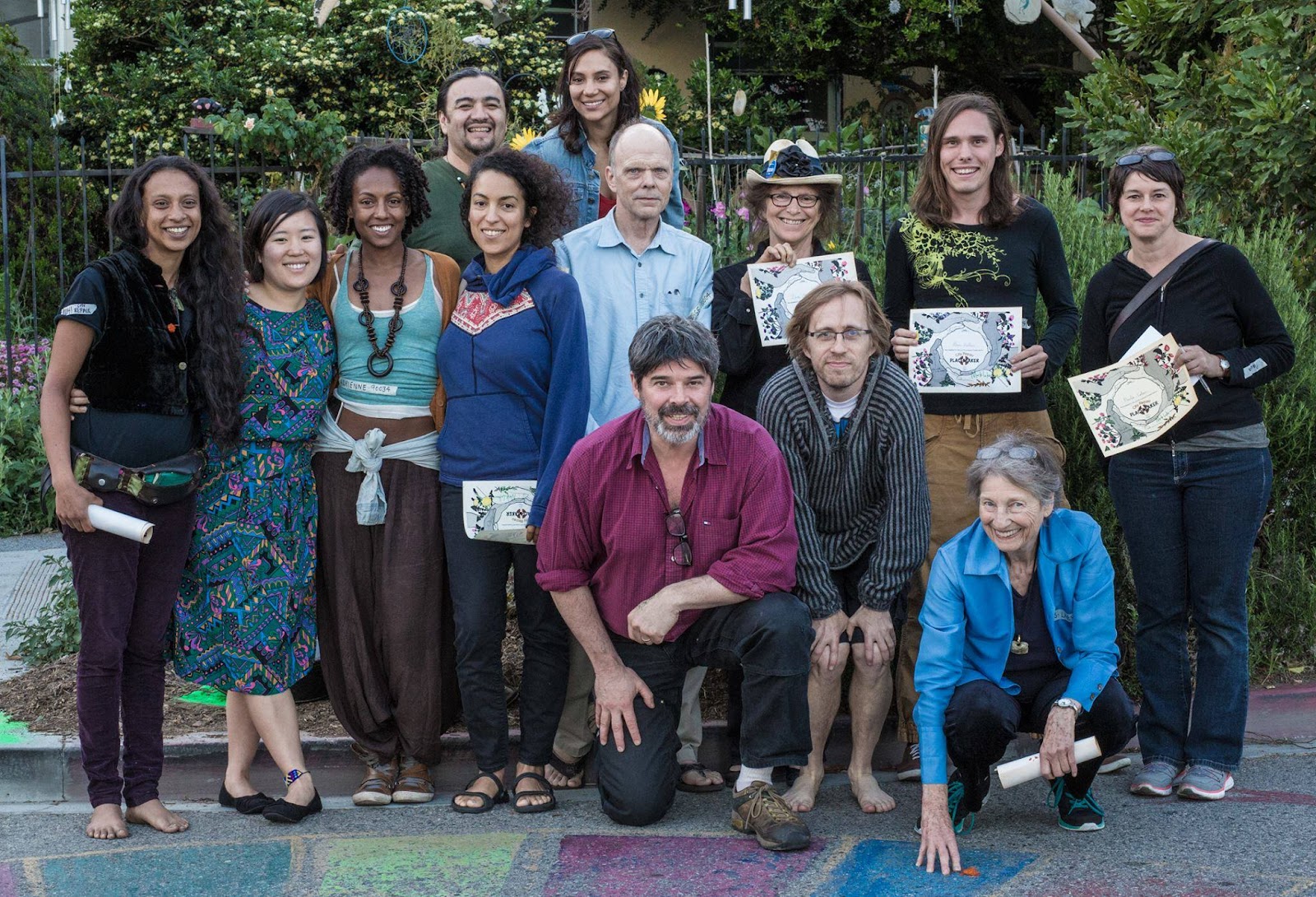
It’s important to mention that the Los Angeles Eco-Village is home to about 15 different ethnic groups, with income levels varying from very low to moderate. It’s a diverse community where people of all ages and backgrounds coexist. Many residents have intentionally opted to reside there to exchange knowledge, participate in regular community lunches and meetings, attend workshops on sustainable urban living, and enjoy community parties, among other activities.
Most members of the community do not have personal vehicles. In addition to the obvious environmental benefits, car-free households benefit from a monthly rent reduction. Furthermore, some community members have launched small eco-friendly businesses that support the comfort of those living in Los Angeles Eco-Village.
Example to follow
Los Angeles Eco-Village is a great example for those looking to live sustainably and promote a more equitable community. Adopting this way of life provides many benefits, including a reduced carbon footprint and considerable savings through resource sharing and reduced car dependency, as well as the opportunity to grow their own food. Collaborative activities and mutual support enhance social bonds, while a nutritious diet and regular physical activity positively influence the health of residents.
Despite the significant advantages it has enjoyed, the community still has room to grow and develop. For example, there is potential for expansion and communication with other communities, as well as the organization and conducting of educational events to popularize environmental ideas. Another area of development that could be pursued is the implementation of new initiatives related to waste sorting, energy production, etc.