

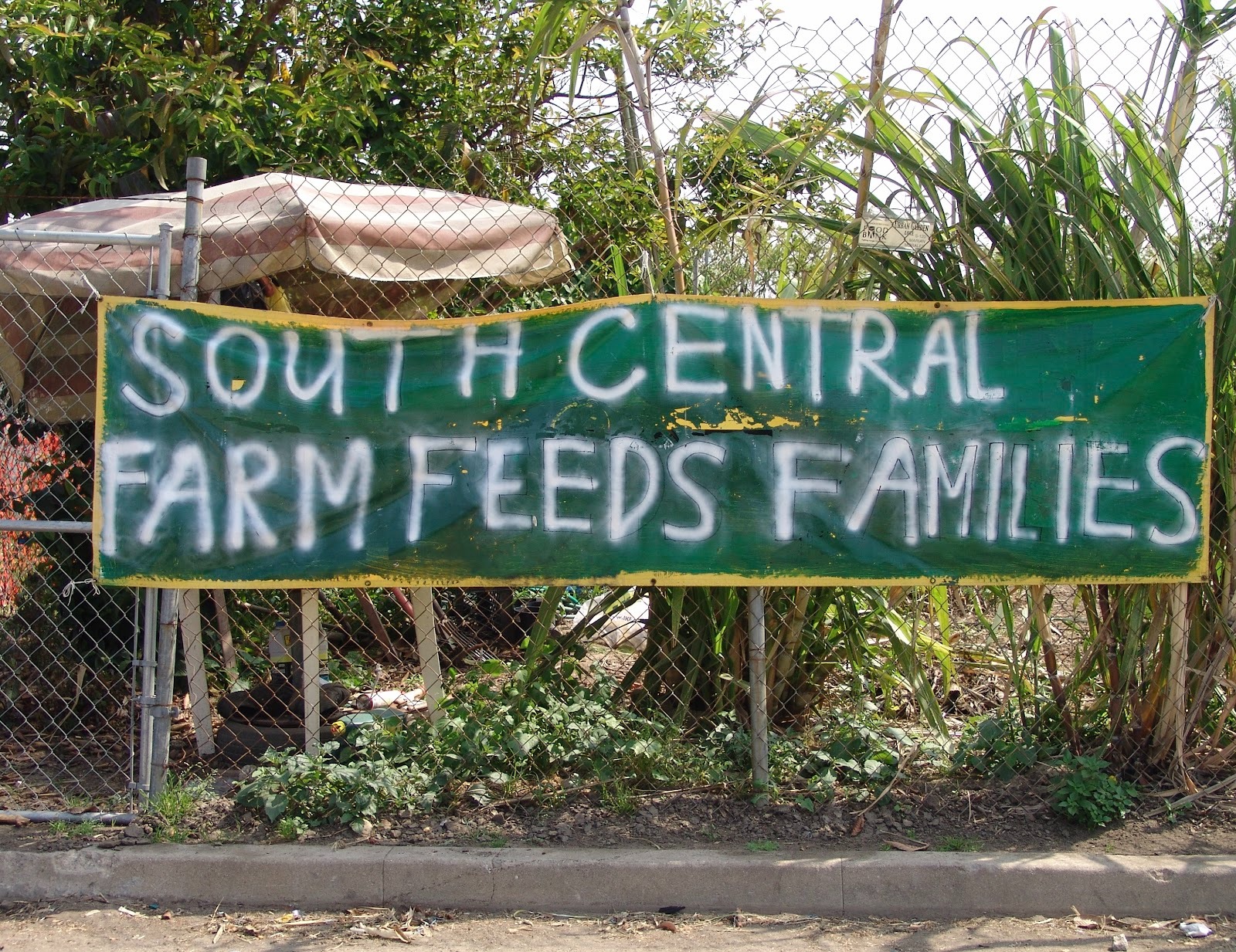
The South Central Farm stands as one of the most famous examples of urban agriculture in the United States. Operating from 1994 to 2006 in South Los Angeles, it brought together hundreds of families who cultivated the land to grow their own food. The farm became a powerful symbol of grassroots activism and community resilience, while also highlighting the complex clashes between public interest and private property rights. Read more at los-angeles.name.
Origins of the Farm
The roughly 14-acre plot sat at the intersection of 41st Street and Alameda Avenue. Before city intervention, the land was privately owned, primarily by companies tied to developer Ralph Horowitz. In 1986, the City of Los Angeles acquired the property through eminent domain to build a trash incinerator. However, the project was ultimately scrapped due to financial hurdles and fierce environmental opposition. As a result, the land sat vacant for several years, setting the stage for a future legal battle over returning the property to its original owner.
In the wake of the 1992 Los Angeles riots, city officials scrambled to find ways to revitalize the hardest-hit neighborhoods. Through municipal programs and a partnership with the regional food bank, the vacant lot was repurposed for community use. By 1994, the massive site was carved into about 360 individual plots. These parcels were distributed primarily to low-income families, many of whom were immigrants from Latin America. Families poured their sweat into the soil, sharing their harvests and relying on traditional farming techniques while building tight-knit social networks. For many, the farm was an absolute lifeline. It supplemented tight budgets, provided reliable access to fresh produce, and kept ancestral agricultural skills alive for the next generation. The farming practices mirrored the family garden model deeply rooted in the immigrants’ cultural heritage. Each of the 360 plots was individually fenced, giving families their own dedicated space while keeping the expansive garden highly organized.
Agricultural Practices
The South Central Farm relied heavily on regenerative farming methods rooted in Mesoamerican traditions. During the site’s early transition period from 1992 to 1994, farmers planted crops like corn and sunflowers specifically to rehabilitate the soil, naturally drawing out toxins left behind by the land’s previous industrial uses.
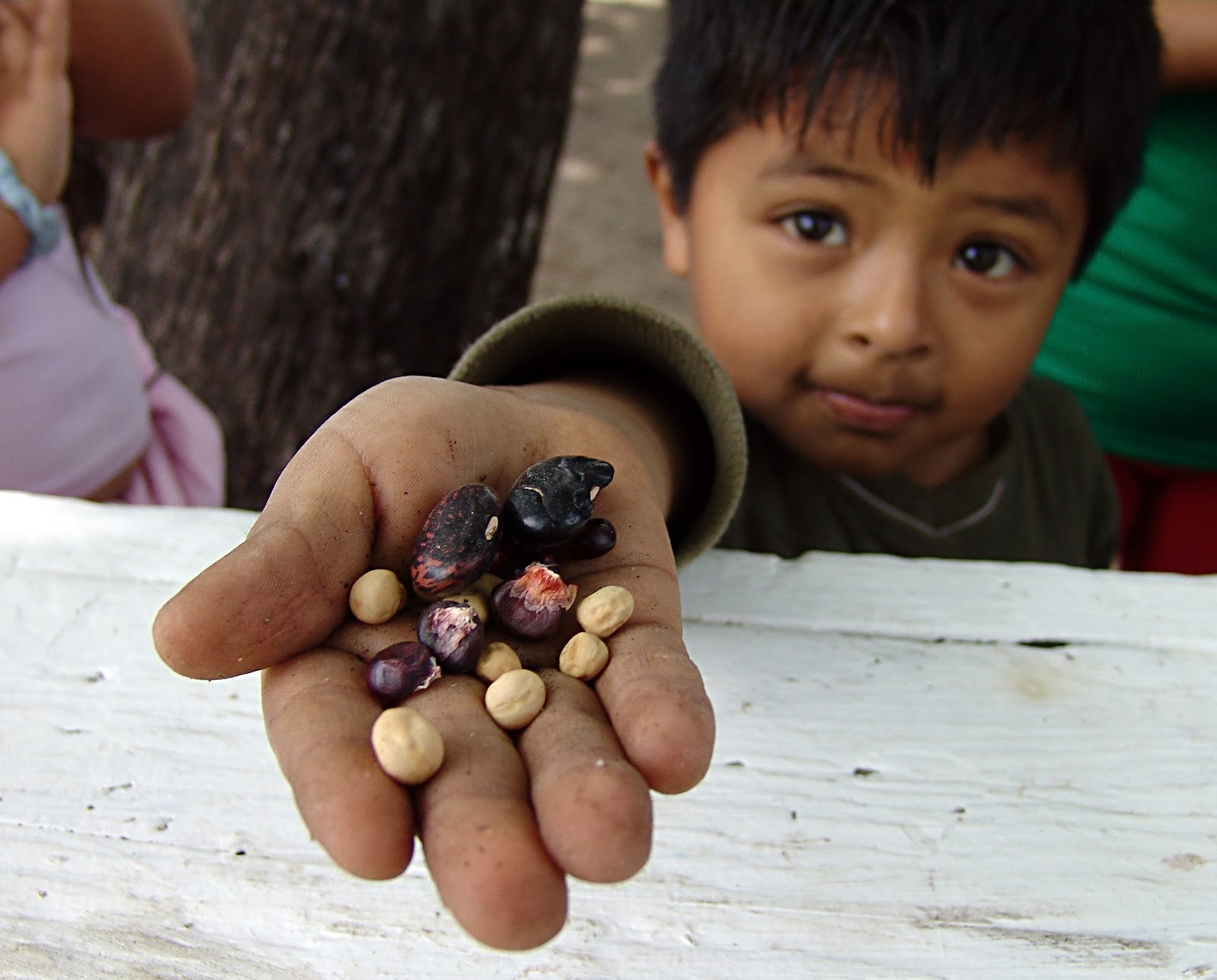
The growers championed polyculture, favoring crop diversity over commercial monoculture. A cornerstone of their approach was the milpa system—a traditional companion-planting triad of corn, beans, and squash. This method naturally boosted soil fertility, retained moisture, and fended off pests without the need for synthetic fertilizers. The farm boasted over 100 plant varieties, including tomatoes, avocados, bananas, squash, and other traditional staples. Medicinal plants also thrived here, supporting holistic folk remedies and preserving the community’s cultural heritage.
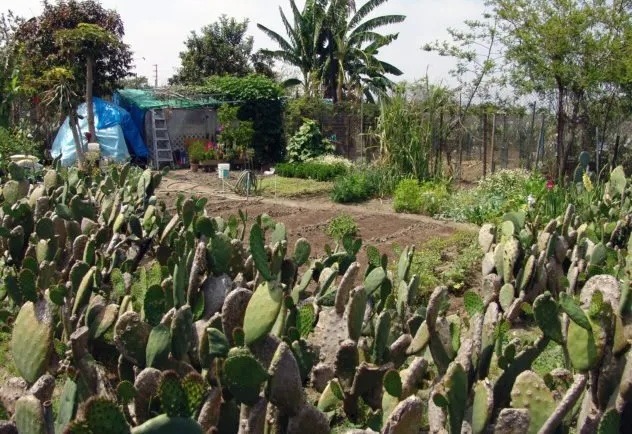
Property lines between plots were often defined by living cactus fences. These hardy plants pulled triple duty: they acted as natural barriers, provided edible harvests, and created a welcoming habitat for pollinators. Thanks to this incredible plant diversity, the South Central Farm blossomed into one of the most biodiverse urban agriculture projects in the country.
Over the years, the community planted more than 500 fruit trees and countless smaller plants. The farm fed hundreds of families and served as a vital oasis in a neighborhood severely lacking access to fresh produce. Ultimately, the farm was much more than a place to grow food—it was a vibrant hub for social interaction, mutual support, and cultural preservation.
Cultural Significance
The story of the South Central Farm was extensively documented on film. The most notable work is the documentary The Garden, which chronicles the farm’s creation, its flourishing community, and the heart-wrenching events leading up to the 2006 eviction. The film earned an Academy Award nomination and thrust the issue of urban land use into the international spotlight.
Several short documentaries were also produced, spotlighting the farm’s environmental benefits and its crucial role in uniting the community. Together, these films cemented the South Central Farm’s legacy as a landmark grassroots initiative in the urban agriculture movement.
The Farm’s Demise
The beginning of the end came in 2001, when legal battles kicked off to return the land to its previous owner. In 2003, the city agreed to sell the property back to companies tied to Ralph Horowitz for roughly $5 million—essentially the same amount paid during the original eminent domain buyout. The decision sparked massive protests from the farmers and local activists. Despite their efforts, courts upheld the new owner’s property rights in 2006, and an eviction notice was issued. In June 2006, the property was forcibly cleared in a tense standoff that led to more than 40 arrests. Following the eviction, the land was bulldozed, destroying over a decade of lush growth and carefully tended trees. The demolition drew heavy media coverage and public outrage. The farm’s days as a shared urban oasis were over, and the lot sat empty for years to follow.
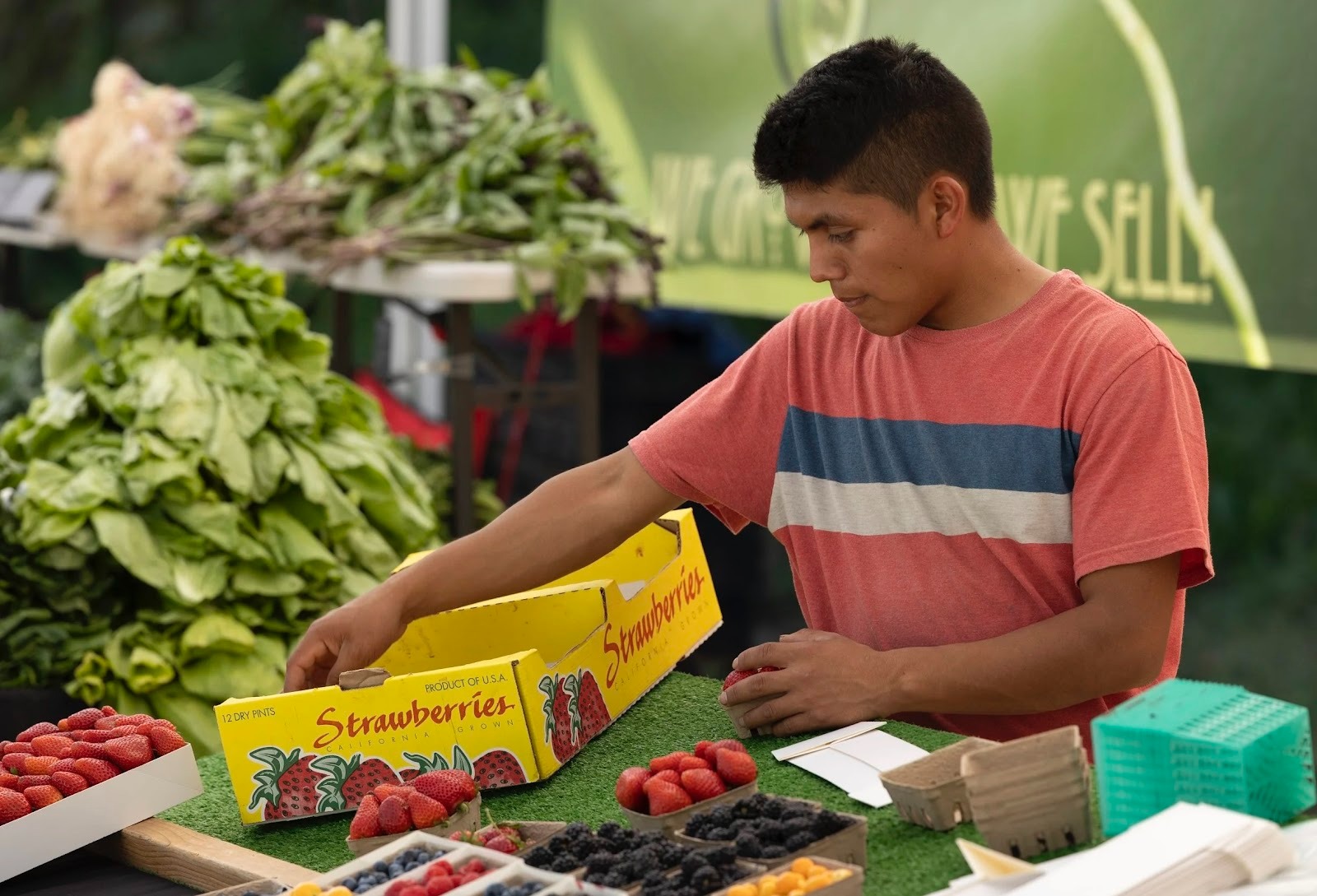
Refusing to give up, some of the displaced participants regrouped after the 2006 eviction to form the South Central Farmers Cooperative (SCFC). This worker-owned cooperative shifted its focus to growing and distributing organic food to food-insecure communities across Los Angeles. Rooted in the principles of collective management and food sovereignty, the members traded their small urban plots for large-scale agricultural production in rural California.
The cooperative works closely with the South Central Farmers Health and Education Fund (SCFHEF), a nonprofit dedicated to supporting urban community gardens, funding nutrition education, and promoting healthy lifestyles. By 2016, the cooperative had spent more than a decade supplying organic produce to local farmers’ markets and community educational programs.
Back in Los Angeles, the original 14-acre site remained a barren dirt lot for over a decade following the 2006 demolition. The property sat in limbo, tied up by ongoing litigation, environmental reviews, and fierce public debate. In 2016, developers proposed the 4051 South Alameda Street Project, aiming to build four industrial warehouse and office facilities. The city’s planning department approved the project’s environmental report in December 2016. After surviving a final round of hearings and appeals, the development secured its ultimate permits in 2019. Ultimately, the land was repurposed to fit the city’s broader industrial strategy, prioritizing logistics and manufacturing.
The South Central Farm left an indelible mark on the history of Los Angeles. It stands as a powerful testament to how an urban community can transform a neglected space into a thriving hub for food production and mutual support. At the same time, it serves as a stark reminder of the often painful friction between grassroots public initiatives and private property rights. Today, the legacy of the South Central Farm continues to shape national conversations around urban planning, food justice, and the value of green spaces in major cities.