

Nestled in the San Gabriel Mountains just outside Los Angeles lies the historic Monte Cristo Gold Mine—a name derived from the Spanish for “Mountain of Christ.” The site stands as a testament to the region’s rich mineral rush, which drew waves of eager prospectors and mining entrepreneurs throughout the 19th and 20th centuries. While production ground to a halt in 1942, the mine’s legacy spans over half a century of active operations, constant ownership battles, and the turbulent highs and lows of Southern California’s gold rush. Read more on los-angeles.name.
The Natural Landscape
The Monte Cristo Gold Mine sits on the slopes of Roundtop Mountain, right in the heart of the Mill Creek and Ootsark Canyon area. This rugged terrain belongs to the San Gabriel Mountain range, a region famous for its complex geological formations and rich mineral veins. The area is tucked inside the Angeles National Forest and managed by the United States Forest Service. Although the nearby Monte Cristo Campground and ranger station share its name, the actual mine remains private property and is strictly closed to the public.
The gold at Monte Cristo was forged in the quartz veins running deep through the San Gabriels, binding the precious metal with sulfide minerals. Some of the ore was “free-milling,” meaning miners could easily crush and process it mechanically without relying on complex chemical treatments. However, other deposits were heavy with sulfide impurities, demanding advanced processing techniques. Over the years, the mine adopted various refining methods, marking a clear evolution from primitive panning to semi-industrial operations. This shift mirrored broader trends seen across the country, much like the early days of coal mining operations.
Legends of Gold
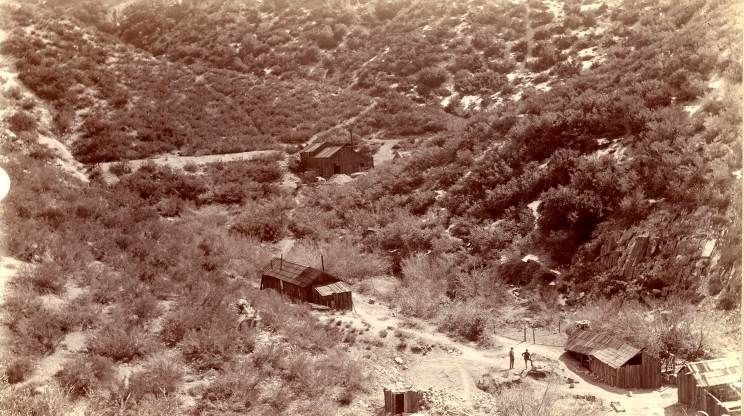
Gold mining in the region dates back to the early 1800s, with official records noting the first gold discoveries in Los Angeles County around 1834. Between 1834 and 1838, friars from the San Fernando and San Buenaventura missions, alongside local residents, worked placer deposits scattered throughout the local canyons. These early efforts gave rise to the legend of the “Lost Padre Mine”—a mythical lost gold mine from the mission era. While historians have never proven its existence, the tale of the vanished mine has captivated imaginations for well over a century, with many believing it was the precursor to the Monte Cristo site. By the late 19th century, local newspapers were filled with sensational reports of massive quartz veins and ambitious mining operations in the area.
The Rise and Fall of the Mine
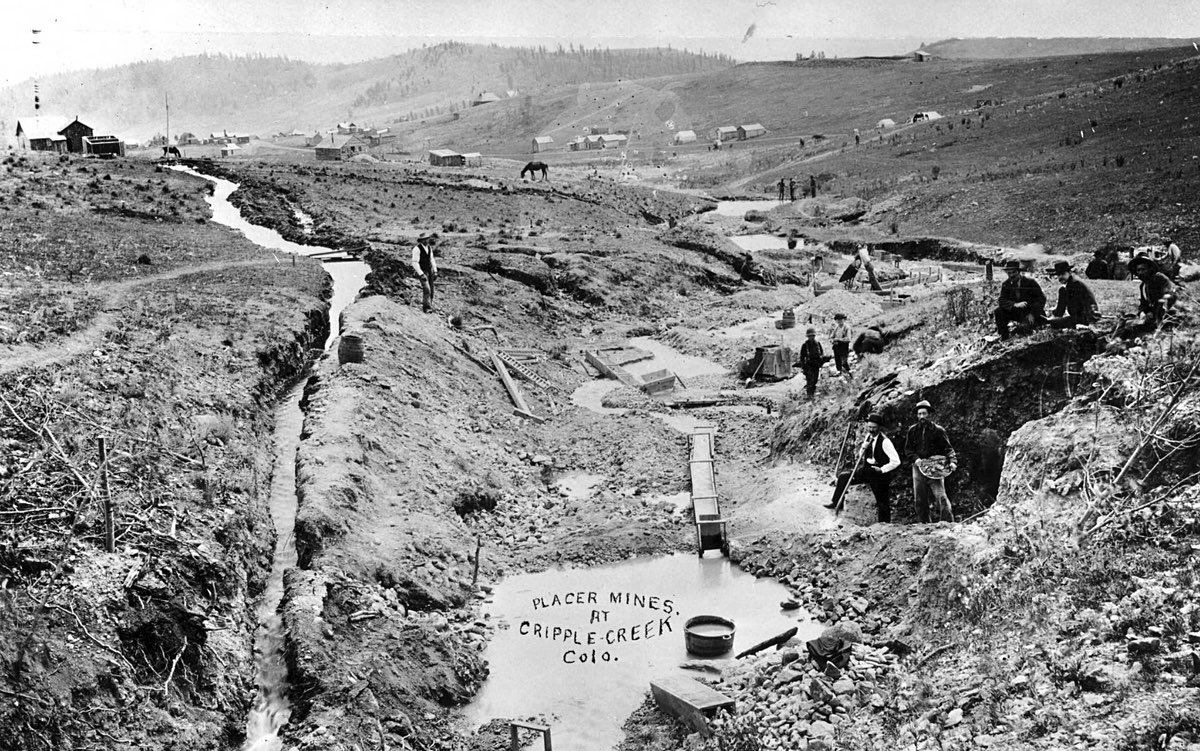
The modern era of the Monte Cristo Gold Mine kicked off in the late 1880s during the Big Tujunga Gold Rush. The discovery of gold-bearing quartz veins sparked a rush of commercial development. Early operations relied on shafts plunging dozens of feet into the earth, rudimentary tunnels, and small crushing setups. Waterwheels and primitive mills ground down the ore—a standard practice for the era’s rugged mining camps.
By the 1890s, the property caught the eye of heavy investors backed by a man known as Colonel Baker. His company poured serious money into the venture, building a road through Aliso Canyon to haul heavy machinery deep into the mountains. This infusion of capital scaled the mine into a true industrial site, complete with adits, shafts, crushers, and bunkhouses for the crew. Records show the ore was processed using a 4-stamp mill, and while the workforce stayed relatively small, production remained steady.
At the turn of the century, Captain Elbridge Fuller took the reins, ushering in a chaotic era defined by partner disputes and constant changes in ownership. Despite the corporate drama, gold extraction continued, even as the management structure repeatedly fractured. Fuller eventually packed up and left for the Klondike Gold Rush, temporarily putting the brakes on the mine’s progress.
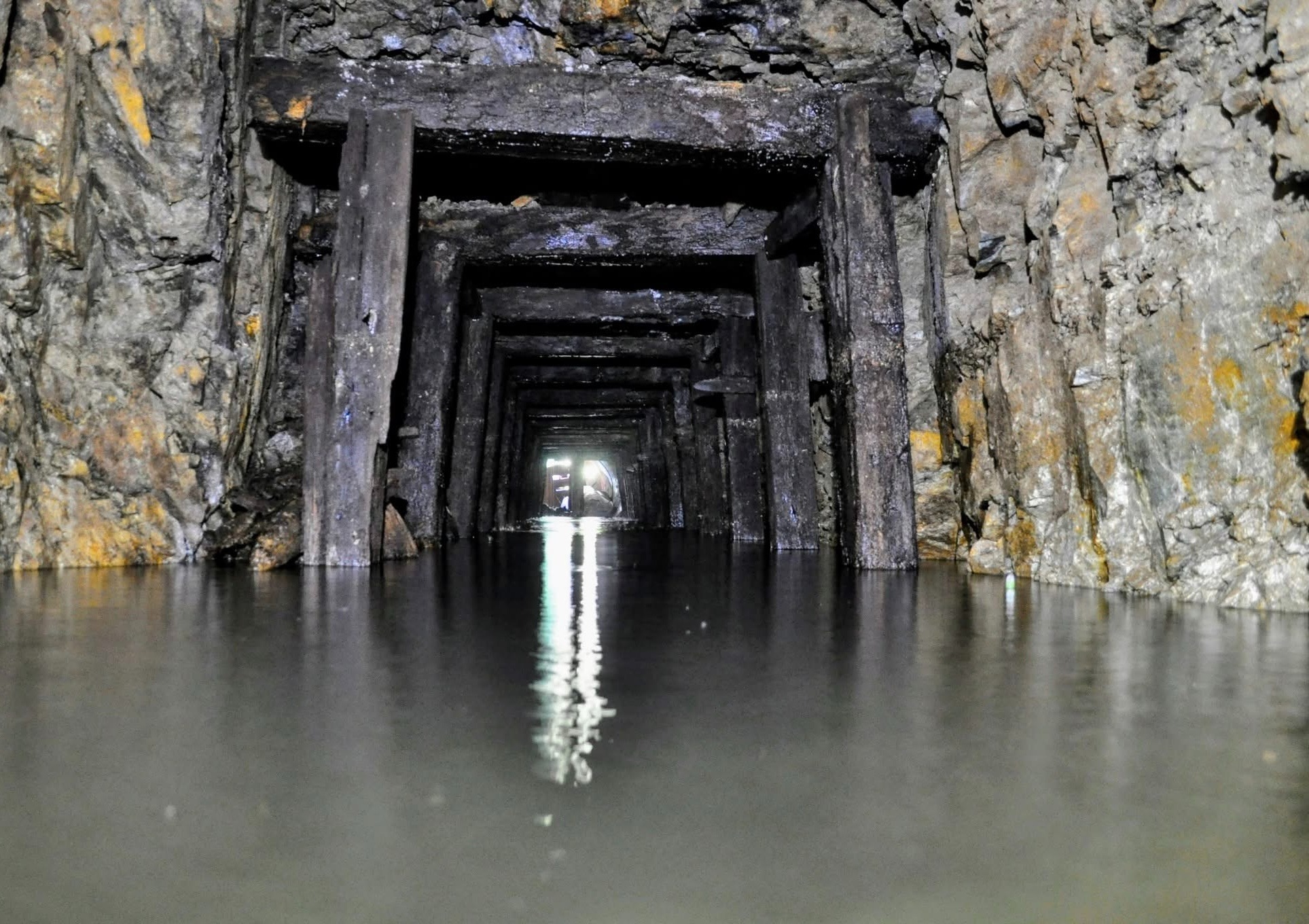
The mine’s most prosperous era arrived under Fred W. Carlisle, who managed the property from the 1920s through the 1940s. During its peak, the site boasted tunnels ranging from short exploratory holes to massive production drifts extending over 400 feet deep, alongside vertical shafts dropping 130 feet. Workers processed the ore using Blake crushers and a Huntington mill, powered by both stationary and portable compressors. In a bid to maximize efficiency, a small roasting plant and a cyanide extraction setup were installed in the 1920s. The bustling property featured worker housing, warehouses, and a network of mountain roads connecting the remote mine to local towns. Official records from 1927 show a yield of roughly $70,000 in gold, though local miners whispered that the actual haul was much higher.
The Great Depression of the 1930s forced a shift, and the property was split into parcels and leased to different groups of miners. This was the only time the mine failed to operate as a single, cohesive unit. Separate crews worked parallel veins spaced about 1,200 feet apart, running underground digs and selectively pulling from the richest ore pockets. Despite patches of local success, erratic profits and financial struggles frequently ground operations to a halt. In 1942, the equipment fell silent for good. The Kirstein family bought the property in the 1940s, maintaining its private status and preserving the infrastructure for decades. In 2018, Lars and Adria Mohler acquired the property, shifting the focus toward historic preservation and environmental conservation.
The Mine Today
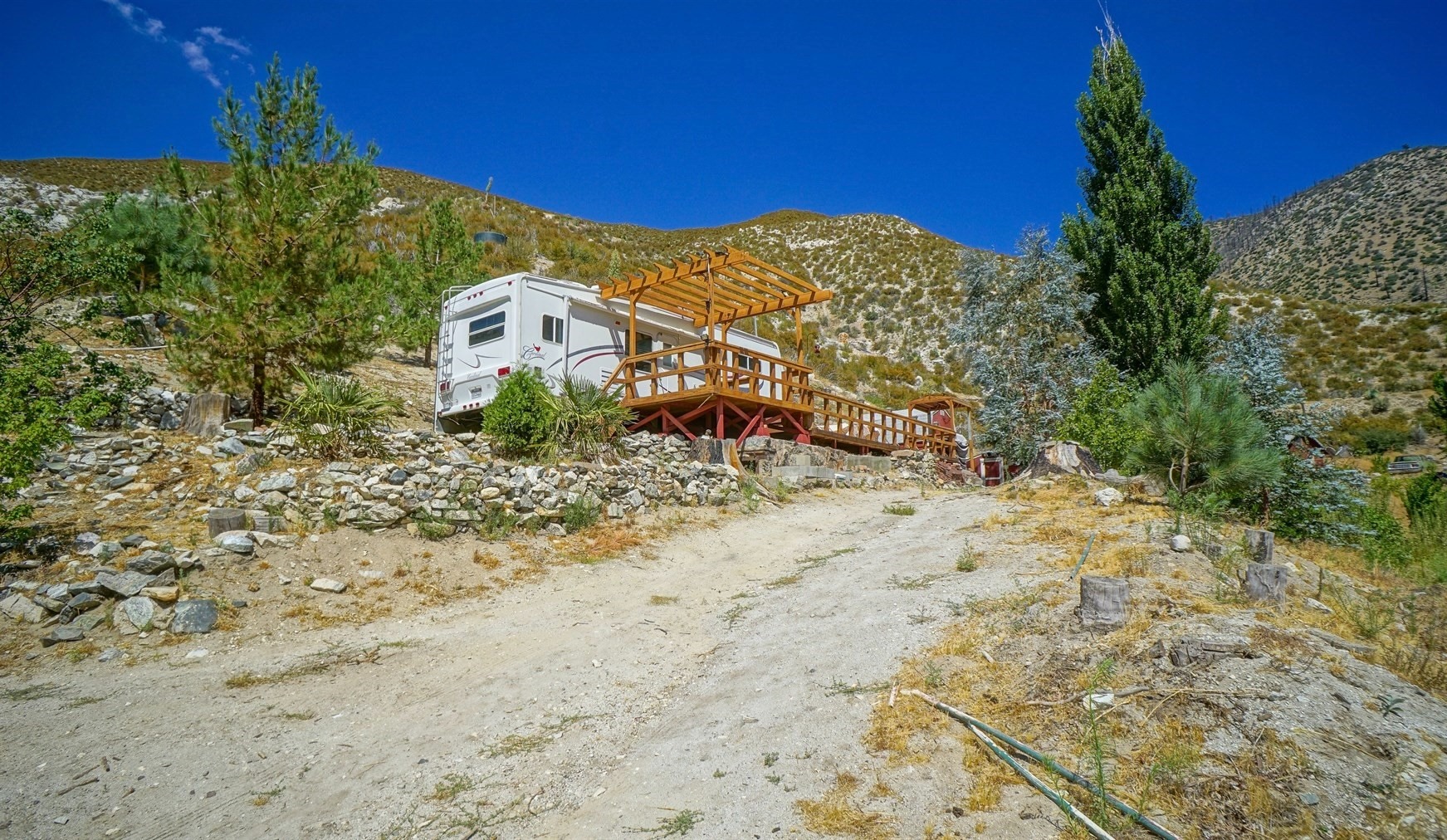
Today, the landscape surrounding the mine is a vital, protected ecosystem. The wilderness is dominated by California’s signature chaparral—dense, hardy brush perfectly adapted to dry summers. The area is teeming with wildlife, from deer, coyotes, bobcats, and foxes to apex predators like mountain lions. Hikers in the area must also watch out for rattlesnakes and various native amphibians. Decades after the last miners left, nature has reclaimed the land, leaving much of the area remarkably untouched by human activity.
The Monte Cristo Gold Mine remains strictly private and heavily secured. The perimeter is clearly marked, and public access is entirely prohibited. The current owners are deeply committed to protecting the historic structures and safeguarding the local wildlife. While time has taken its toll on some of the infrastructure, the remaining shafts, tunnels, and equipment ruins hold immense historical value. Current preservation efforts focus on keeping the site in a state of “arrested decay”—stabilizing the structures to prevent further collapse without altering their rugged, authentic history.
The Monte Cristo Gold Mine is a cornerstone of Southern California’s industrial heritage. It captures an era of pioneering grit, early engineering breakthroughs, and the complex economic forces that shaped the region. Long after the gold ran out, the mine endures as a powerful cultural symbol of the rugged souls who tamed the San Gabriel Mountains.