

Water has long been one of Southern California’s most precious and scarce natural resources. For decades, Los Angeles has heavily relied on imported water supplied by the Colorado River, the State Water Project, and the Los Angeles Aqueduct. However, the climate crisis, chronic droughts, shrinking snowpacks in the Sierra Nevada mountains, a growing population, and rising vulnerabilities in critical infrastructure are forcing the metropolis to completely rethink its traditional water supply model.
In response to these challenges, the city is launching the Hyperion 2035 Program—one of the most ambitious water infrastructure projects in LA’s history. Its core objective is to recycle 100% of available wastewater, transforming it into a reliable, independent, and climate-resilient local source of drinking water. This is far more than a simple treatment plant upgrade; Hyperion 2035 establishes a pioneering blueprint for urban water management that could serve as a model for megacities worldwide. Read more on los-angeles.name.
Why is Los Angeles Transforming Its Water System?
For over a century, the growth of Los Angeles was hardwired to the engineering of massive aqueducts. Today, however, that infrastructure is pushed to its limits. The city’s biggest vulnerability is its overwhelming reliance on external water, with up to 90% of its drinking water imported in certain years. Driven by global climate shifts, this legacy model is becoming increasingly high-risk.
Over the last few decades, California has been regularly battered by severe droughts. Rising temperatures are decimating the Sierra Nevada snowpack, which has historically served as the state’s premier natural reservoir. Simultaneously, water levels in the Colorado River basin are plunging. Compounding the issue is the ever-present threat of seismic activity: the main pipelines channeling water into LA cut directly through active fault zones, meaning a single major earthquake could instantly cut off supplies for millions. Factor in a growing population and rising consumption, and the volume of wastewater—which for years was just treated and dumped into the Pacific—becomes an opportunity that can no longer be ignored.
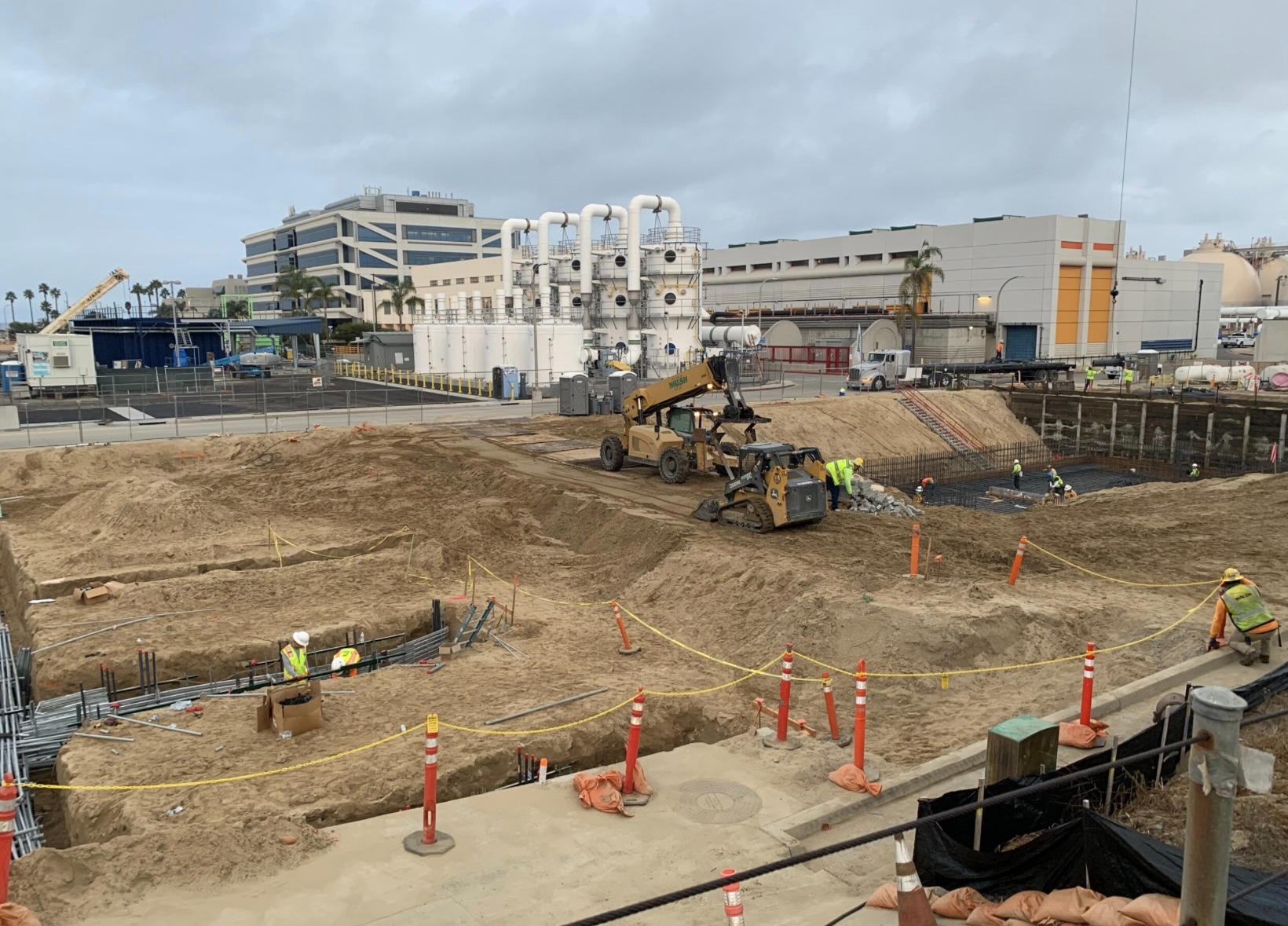
Hyperion Water Reclamation Plant: The Hub of the City’s Water Infrastructure
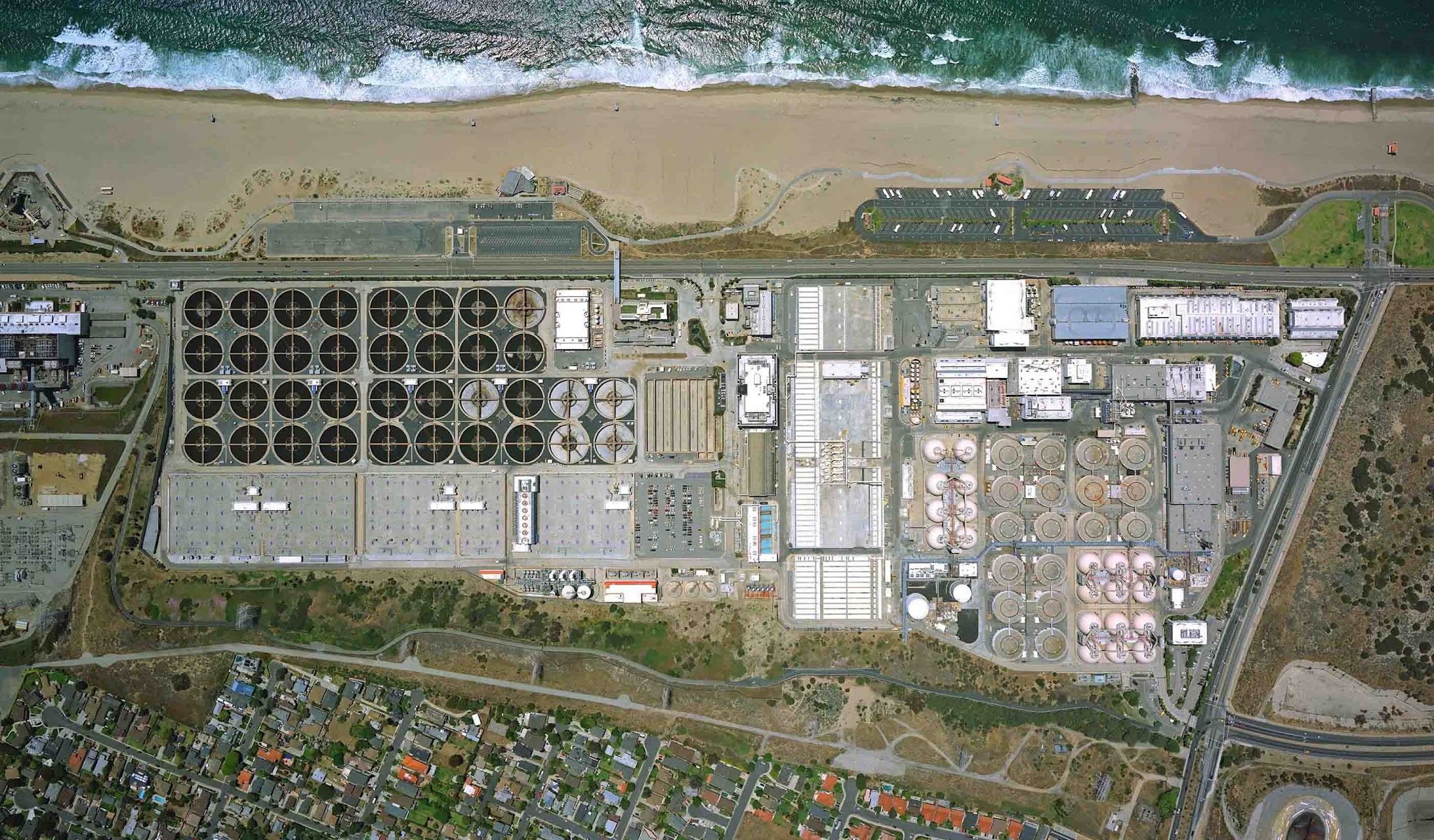
At the heart of this sweeping modernization is the Hyperion Water Reclamation Plant in Playa del Rey. Ranking among the largest wastewater treatment facilities in the United States, the massive complex has a design capacity of roughly 450 million gallons per day (MGD), with current average daily flows hovering around 272–275 MGD. Spanning 144 acres, the plant currently produces recycled water tailored for industrial and non-potable use.
Before the rollout of the Hyperion 2035 program, the city recycled only about 27% of this water. The remaining volume, though treated to meet California’s stringent environmental standards, was discharged directly into the Pacific Ocean via an offshore outfall. The new strategy turns this model upside down: by 2035, the city aims to fully capture and recycle 100% of these wastewater flows.
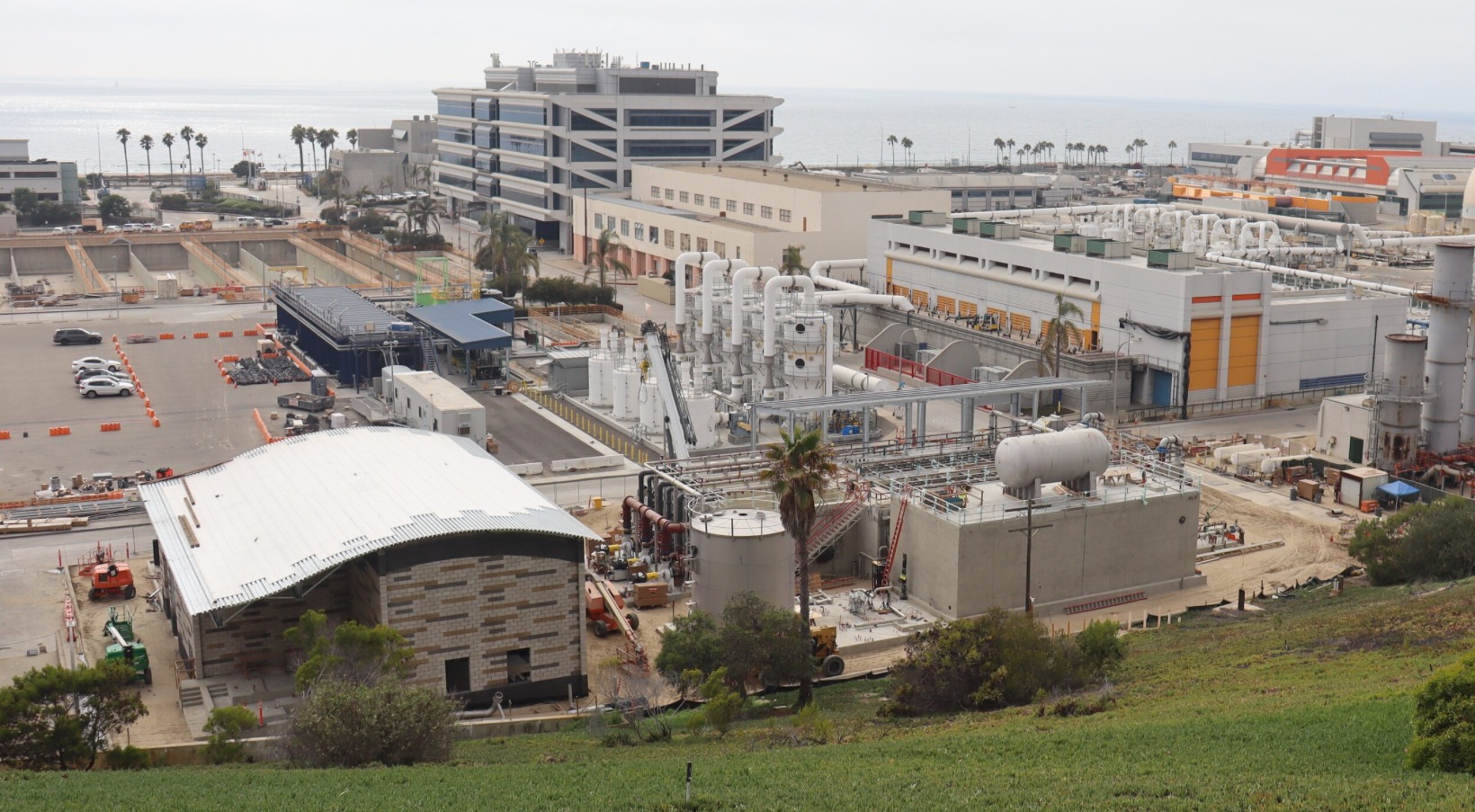
How Will Hyperion 2035 Work?
The Hyperion 2035 program centers on a complete internal overhaul of the facility, maximizing efficiency within its existing footprint. The crown jewel of this upgrade will be the Advanced Water Purification Facility (AWPF)—a state-of-the-art purification complex. The technologies deployed here will yield exceptionally pure water, which can then be used to replenish underground aquifers or serve as a direct source for drinking water production. According to current engineering specs, the facility will be capable of producing up to 174 MGD of ultra-pure water.
The first phase of Hyperion 2035 is already underway, targeting an initial output of approximately 50 MGD (over 56,000 acre-feet per year) for Indirect Potable Reuse (IPR) systems. This initial phase will build the foundational infrastructure required to scale up to the full program.
The advanced treatment chain breaks down into several key stages:
1. Membrane Bioreactor (MBR): This stage combines robust biological wastewater treatment with advanced membrane filtration. Microorganisms break down organic pollutants, while specialized membranes strain out microscopic particles, including suspended solids and bacteria. While this step yields highly clarified water, it is not yet fit for drinking and proceeds to the next level of treatment.
2. Reverse Osmosis (RO): Widely recognized as one of the world’s most powerful purification technologies, RO forces water under high pressure through semi-permeable membranes. This process strips out up to 99% of dissolved salts, organic compounds, micro-pollutants, and potential pathogens. Approximately 15–20% of the volume is left behind as a concentrated brine containing the filtered impurities, which is managed and disposed of separately.
3. Ultraviolet Disinfection and Advanced Oxidation Process (UV-AOP): This step functions as a heavy-duty final barrier against any viruses or trace organic compounds that might have bypassed earlier filters. The combination of intense UV light and oxidizing agents tears apart the molecular structures of hazardous contaminants, ensuring absolute sanitary safety. Following this phase, the water successfully hits ultra-high purity standards.
4. Remineralization: Because advanced purification strips water of everything—including its natural, healthy minerals—the final step focuses on stabilization. Essential minerals are carefully added back to balance the water’s chemical profile, ensuring it is both ready for consumption and non-corrosive to municipal distribution networks.
Environmental Impact: Protecting the Pacific Ocean and California’s Coastline
Pumping hundreds of millions of gallons of treated wastewater into the ocean has long been a significant ecological pressure point for Los Angeles. Even after secondary treatment, these massive discharges stress delicate coastal ecosystems. Hyperion 2035 completely flips the script. By shifting to near-total water recycling, the city will dramatically scale back its ocean outfall. For the marine environment, this means a lighter anthropic footprint, stabilized coastal water chemistry, and a reduced risk of localized eutrophication (algal blooms driven by nutrient overloads).
Meanwhile, the brine byproduct generated by the reverse osmosis process will be carefully managed. Its controlled discharge is governed by strict National Pollutant Discharge Elimination System (NPDES) regulations and California Ocean Plan requirements, designed to safeguard marine flora and fauna.
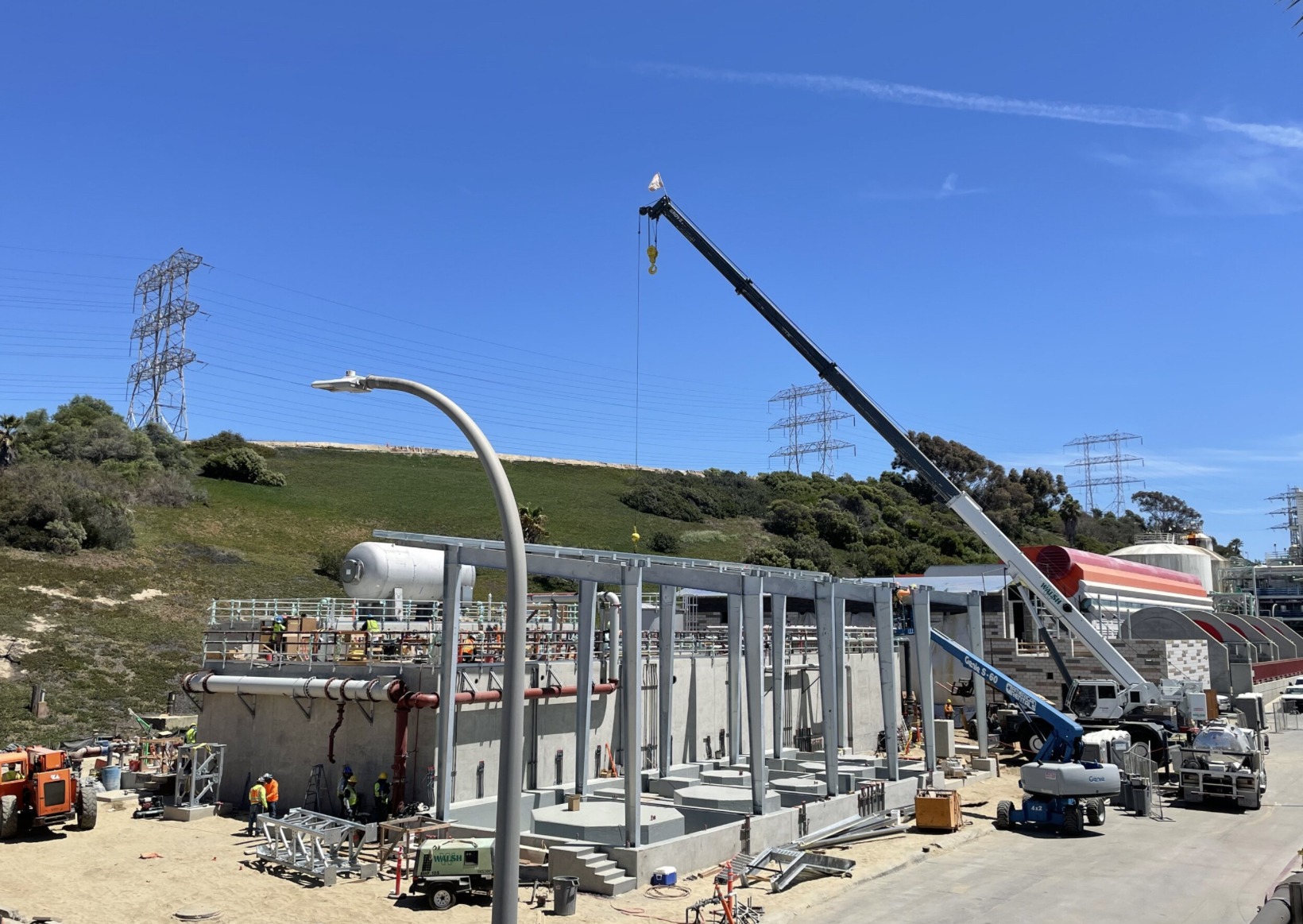
Hyperion 2035 is shaping up to be one of the world’s premier case studies for the circular water economy in a major megacity. The model pioneered by Los Angeles secures a closed-loop system: capturing urban wastewater, subjecting it to advanced purification, and reintroducing it directly into the drinking water supply. This is the ultimate hedge against climate volatility and the depletion of traditional, far-away natural water sources. Ultimately, city water planners project that this integrated network will generate over 200 million gallons of purified water daily, cementing its status as one of the largest and most technologically advanced water recycling systems on the globe.
