

Thanks to Rachel Surls and Judith Gerber’s book “From Cows to Concrete: The Rise and Fall of Farming in Los Angeles,” modern residents could learn more about the county’s forgotten farming history. This is the story of the ups and downs and achievements of farmers in the past years. Los-angeles.name will tell more about all this.
Eagle Tree
At the time, this was one of the signs of the large San Pedro Ranch. Interestingly, this cattle farm was founded back in 1784. Just imagine, its area covered 75 thousand acres.
But this is not the only local ranch of its kind. There were also others known for their self-reliance. Farmers grew maize, wheat and some vegetables.
Such farms promoted the development of economics in LA because its owners started trading cowhides and food products.
It may come as a surprise to the modern locals that Compton once had a thriving farming industry. Asphalted territory with almost no greenery and gardens used to be a place where crops flourished and cows grazed.
Did you know that farming in Los Angeles was the center of life? Such a way of life had been continuing from the founding of the city until the middle of the twentieth century. That is why we would like to tell you more about those times.
The best agricultural area in the country
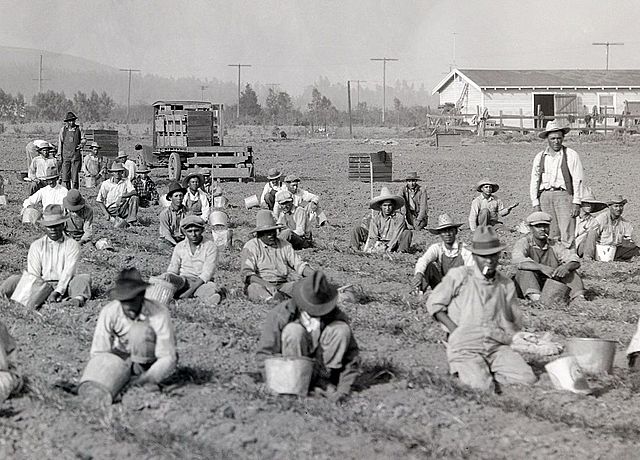
That’s what Los Angeles was called. But this is quite strange because today, the city evokes different associations. During the first Spanish land expedition to Alta California, the future city was found. The members of the expedition immediately saw the potential for farming practices. That was the origin of Los Angeles.
The travelers noticed that locals were not farmers. It was odd because of the following characteristics:
- the area was known for its rich soil
- had a diverse and rich plant life
- there was water nearby.
In fact, these are the important components necessary for farming.

Farming center
Decades passed before LA became a real agricultural center. It had been a long road that started from a small farming community.
Farmers did a tremendous job, experimenting a lot with cultivation. They tried to grow fruits, various vegetables, hemp and flowers. In addition, animal husbandry played a major role in Los Angeles agriculture. Chicago and Omaha with their dairy plants and poultry farms, were the farmers’ biggest competitors.
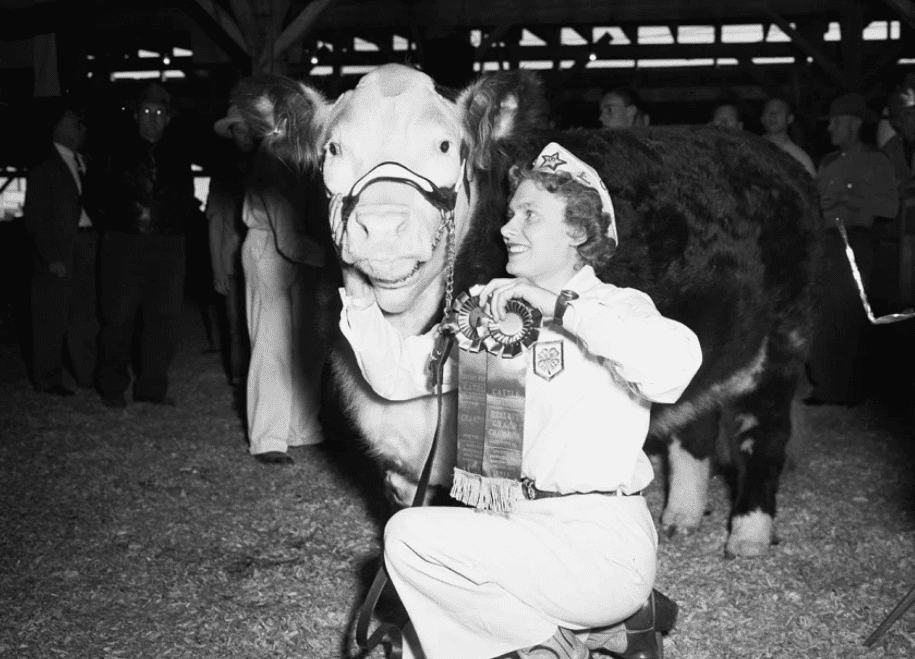
In four decades (1909-1949), LA was recognized as the best farming county in the United States. It was a well-deserved title that local agricoltors were happy about.
The positive impact as a strong encouragement for other farmers
The impact of farms spread far beyond the city. Many of California’s large agricultural enterprises were based in L.A. County at that time, thus motivating local farmers and also showing others the perspective direction. Therefore, the city became the epicenter of the farming industry.
Although the glory of the past years is long gone and the history of farming in the area is forgotten, there are a few bright examples of traditions that have survived. Golden State Farm is one of them.
As of 2013, Los Angeles County ranks 32nd in terms of agriculture. There, agriculturalists are engaged in growing alfalfa, peaches, carrots as well as nursery crops, as it is a profitable field.
Farms located North of Downtown Los Angeles, around the cities of Lancaster and Palmdale, are more traditional than others. Fields of bright green alfalfa and gardens are blooming on these grounds. It feels as if time stood still in this place.

History of formation and development of Los Angeles
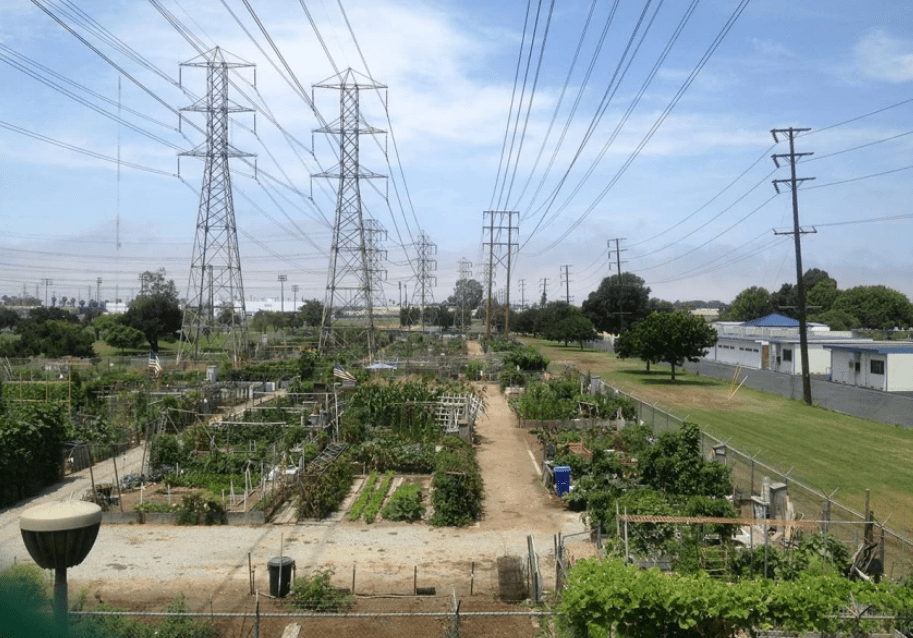
There are almost no traces of the former prosperity of agriculture in Downtown Los Angeles. However, this history is very important, as it helps to better understand and explain how LA evolved. The modern city, which is diverse, electric, modern and innovative, stands out in stark contrast to the past.
The townspeople are still practicing farming, offering their produce at markets. Residents won the right to do beekeeping and grow vegetables on the narrow strip between the sidewalk and the street.
Woodland Hills is one of the most striking examples of changes. There used to be thousands of acres of citrus groves in the area, which is impressive. Little by little, orange and lemon trees began losing their fruits. Volunteers from the Food Forward organization, established in 2009, pluck oranges and send them to local food banks.
Gold rush and farming
The importance of farming in the history of Los Angeles is really unbelievable. For many years, local farmers have been growing barley, wheat and hemp. Southern California was the perfect place for cultivation due to its warm and sunny weather. Residents may be surprised to know that there was once a pineapple farm in Hollywood. For example, Mar Vista was a popular region for growing lima beans, while the San Gabriel Valley was associated with countless citrus orchards.
When the transcontinental railroad was built, many people left their homes and went to Los Angeles.
The agricultural sector in the county was also affected by the gold rush. A substantial amount of products were exported from the port of San Pedro to San Francisco. So what were the consequences of the gold rush? It became a strong impetus for farmers in Southern California and LA. Until then, there was virtually no market, but things changed later. Railroads opened up new marketing opportunities, and farmers began shipping fresh fruits, brandy and wine to other cities.
The post-World War II period was generally referred to as the land boom. The value of land started to spiral. For the first time, ranchers faced the fact that they simply could not afford to open and hold a farm. As a result, some businesses closed, others turned into something else.
Back in the day, there used to be a silkmoth industry in LA. Residents believed that the silk industry in their state could be as successful as in France or China. However, this sphere was doomed to failure.

The other side
Previously, Los Angeles was considered to be the land of health and sunshine, but gained a different reputation over time. The city began to be compared to a metropolis, whose citizens are obsessed with health. That is why the number of fresh bars, vegan restaurants and yoga studios is steadily growing.
Health experts have done a lot of research on this subject. The results show that the highest obesity rate is indicated in East Compton, while in well-to-do San Marino, it is the lowest.
Once, Los Angeles was famous for its bountiful harvest and maintained such a reputation for two and a half centuries. So the book “From Cows to Concrete: The Rise and Fall of Farming in Los Angeles illustrates those years quite well. It explains to the modern residents of the bustling metropolis the reasons why thousands of acres of agricultural holdings have disappeared. The authors of this book expressed their thoughts and hope for a better and brighter future, namely:
“For Southern California where farms and gardens will once again take root amidst the concrete.”
