

The Natural History Museum of Los Angeles County has gathered the most extensive collection of natural and cultural history in the Western United States.
Learn more about exploring the natural and cultural environment with Los Angeles Name.
The city’s oldest cultural institution
It is the backbone of the Exposition Park, a new cultural, educational and entertainment center. As one of the city’s oldest cultural institutions, the Natural History Museum has played an integral part in its development.
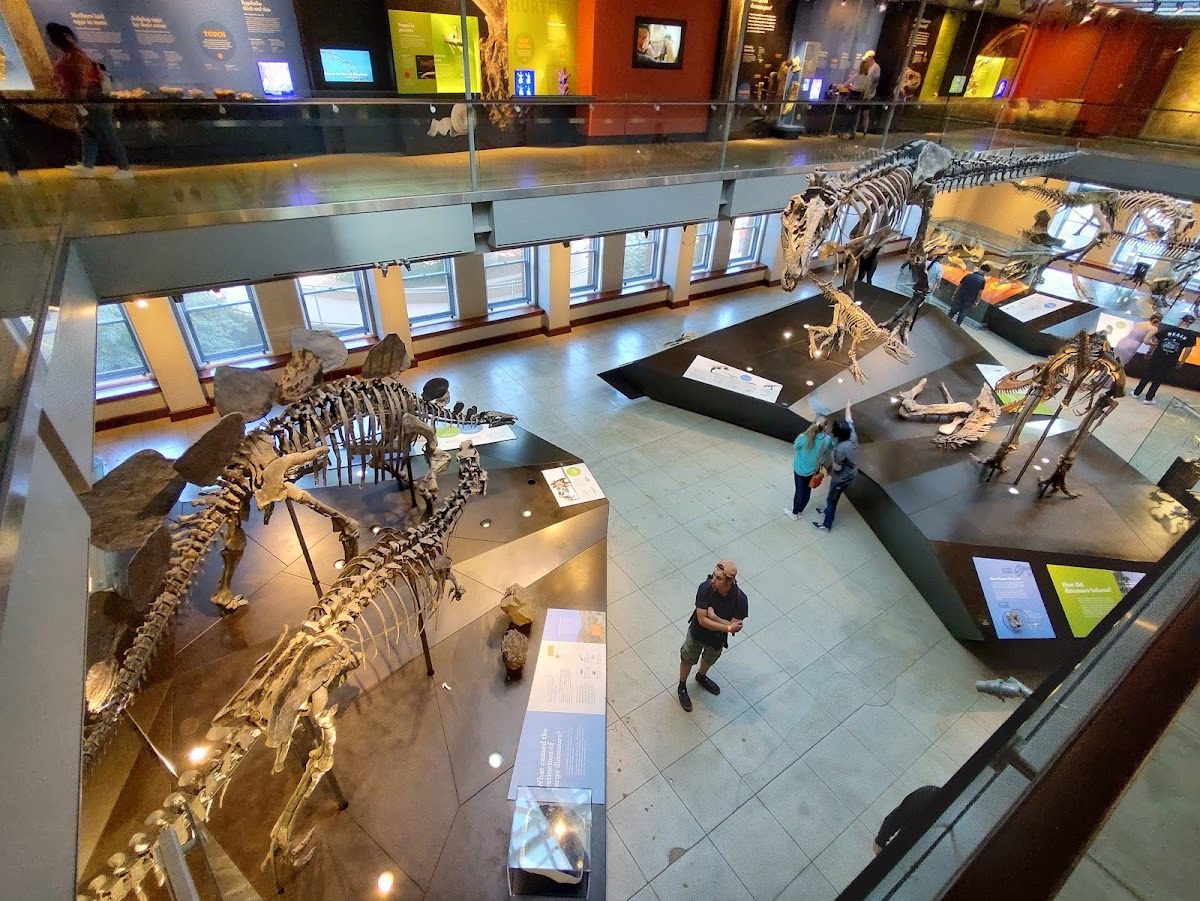
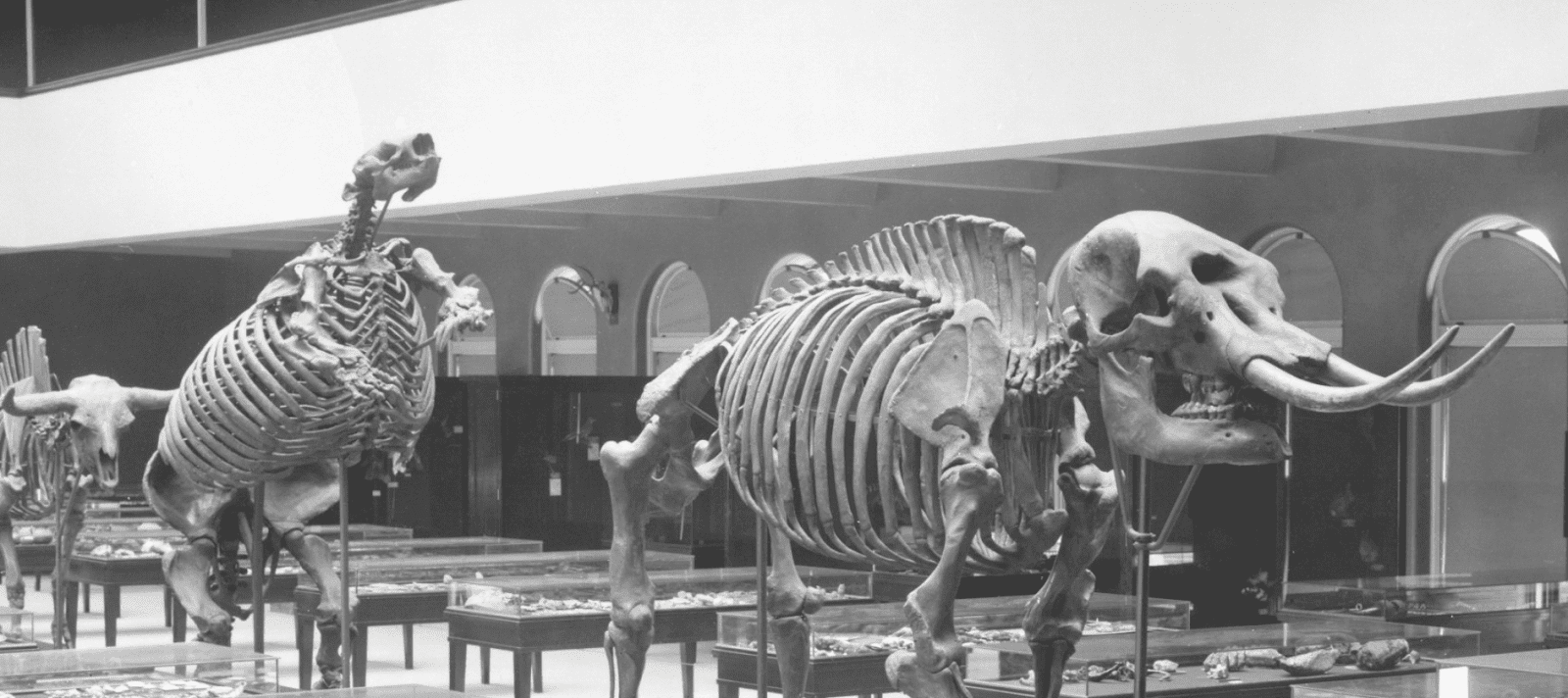
Some impressive specimens can be found in museum exhibitions, such as the Gem and Mineral Hall and the renowned Dinosaur Hall. You can also visit the Age of Mammals Hall and explore it.
The museum also features halls that help you learn more about the planet’s history by looking at the connection between people and the environment, both past and present.
Natural History Museum: where it all started
The institution is located on land where an agricultural fair once operated from 1872 to 1910. The museum’s history is linked to William Miller Bowen.
He was a local attorney and Sunday school teacher who was concerned about the growing number of saloons and gambling establishments in the park in the 1890s. In 1909, he led the campaign to persuade the state that the city required a park to serve as a cultural center. The plan took the form of a three-way agreement, which is still in effect today:
- The state was to build an exposition building for California products. After a while, the building was turned into an armory.
- The county was to build a historical and art museum.
- The city would take on the responsibility of maintaining the grounds.
The museum building was to be placed on the western axis of the projected sunken rose garden of the Agricultural Park, which in December 1910 was renamed Exposition Park. December 17, 1910, was a significant day. It was when Bowen, Mayor George Alexander and future California Governor William H. Stevens, with other dignitaries, laid the cornerstone of the future museum. At that point, construction of the museum was underway.
The museum’s original structure
In 1913, it was designed by local architects. Featuring the work of Frank Hudson and William A.D. Munsell, the original building combined several styles, including Spanish Renaissance ornaments in trimmings and Romanesque style in the arched windows and walls.
The Rotunda and Three Wings are the building’s focal points. The walls of the Rotunda are composed of Italian marble, while the floor is mosaic. In the center is the statue by Julia Bracken Wendt called Three Muses. Walter Horace Judson created the Rotunda’s dome.
The grand opening was held on November 6, 1913. The Exhibition Park and the Museum were then known as the Los Angeles County Museum of History, Science and Art. That was followed by a two-week citywide celebration to celebrate the opening of the Owens River Aqueduct. In Exposition Park, John D. Works, the United States Senator, dedicated the site for a fountain to take up the center of the sunken garden to celebrate the aqueduct.
The site was subsequently expanded. In 1965, Exhibition Park became the Los Angeles County Museum of History and Science (later renamed the Natural History Museum of Los Angeles County), joined by other important cultural sites.
- Memorial Coliseum.
- Sports Arena.
- Swimming Stadium.
- California Science Center.
- California African American Museum.
Interestingly, it is home to the largest rose garden in the country.
Museum preservation
The reconstruction of the institution lasted about two years, after which it opened in the spring of 2009. Here are some significant changes:
- Seismic upgrading
- Restoration of the colored stained glass at the rotunda apex, including cleaning and reinforcing the magnificent and elegant stained glass
- Building modernization on the interior and exterior by revealing the original design and layout from as early as the 1920s.
The facility is located at 900 Exposition Blvd and would be an excellent choice for a cultural trip. Families with children frequently visit the museum, but it is also possible to roam about the grounds alone and discover more about its history. Perhaps you will find something fascinating for yourself and wish to come with your company next time.