

Poultry played an important role in the economy of Los Angeles. In addition to providing the townspeople with eggs and meat, poultry farms also provided jobs, stimulating the local economy. Los Angeles Name tells more about the Runnymede Poultry Farm and egg ranch.
History of establishment and expansion
Thanks to a post from the Valley Relics Museum, it is known that the history of the Runnymede Poultry Farm began in 1927 near Lindley Avenue. In two years of diligent work, the poultry farm was able to expand to an area of 80 acres. The fact that the hens laid about 2 million eggs per month on the ranch in those days is impressive.
By 1944, Runnymede had become a real giant. The area of the poultry farm and egg ranch reached 228 acres and the number of chickens was over 282,000. This one was the largest compared to other poultry farms of that time in Los Angeles.
After the Second World War, the famous poultry farm was divided and rebuilt. This was found out thanks to Survey LA, the Reseda-West Van Nuys Community Plan Area and Historic Resources Survey Report.
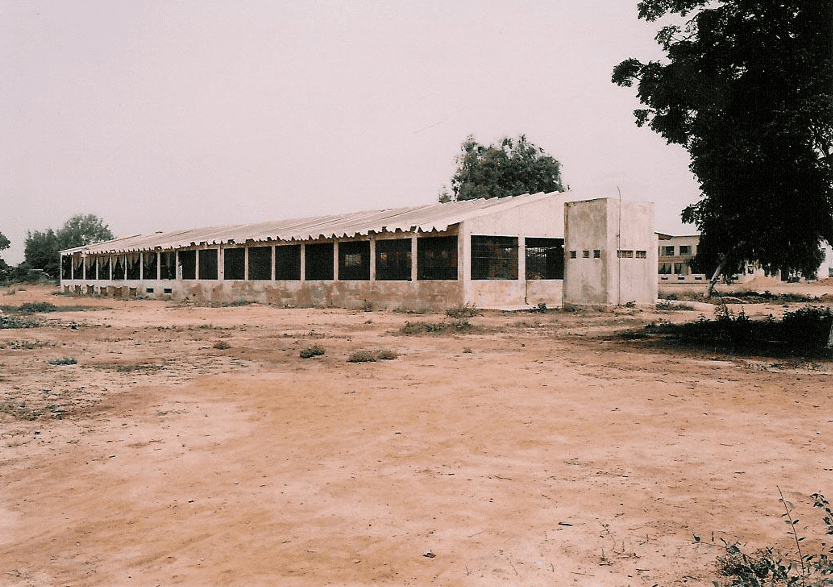
Weeks Poultry Ranch
In 1982, Ed Barbour wrote a column for the Menlo Park Historical Association that made the Runnymede Poultry better known. Thanks to the described memories, a little more is known about the history of the establishment of the poultry farm. Thus, the founder was Charles Weeks, a young man from Hooser Farm. He came to California to make his dream come true. At first he worked in Chicago and New York as a waiter. One day, he got into a poultry exhibition at Madison Square Garden. This impressed the young man, so he visited farms for several months and began to study poultry farming. After that, he headed west, trying to find the perfect balance of mild, comfortable weather, good soil and plenty of water.
Charles Weeks’ endurance and determination was enviable, as he checked many locations in Spokane, Portland, Seattle, Petaluma and surrounding areas. He got off at the Palo Alto station. Before that, he had three unsuccessful starts. However, he bought 10 acres for $400. Charles Weeks named this place the Weeks Poultry Ranch.
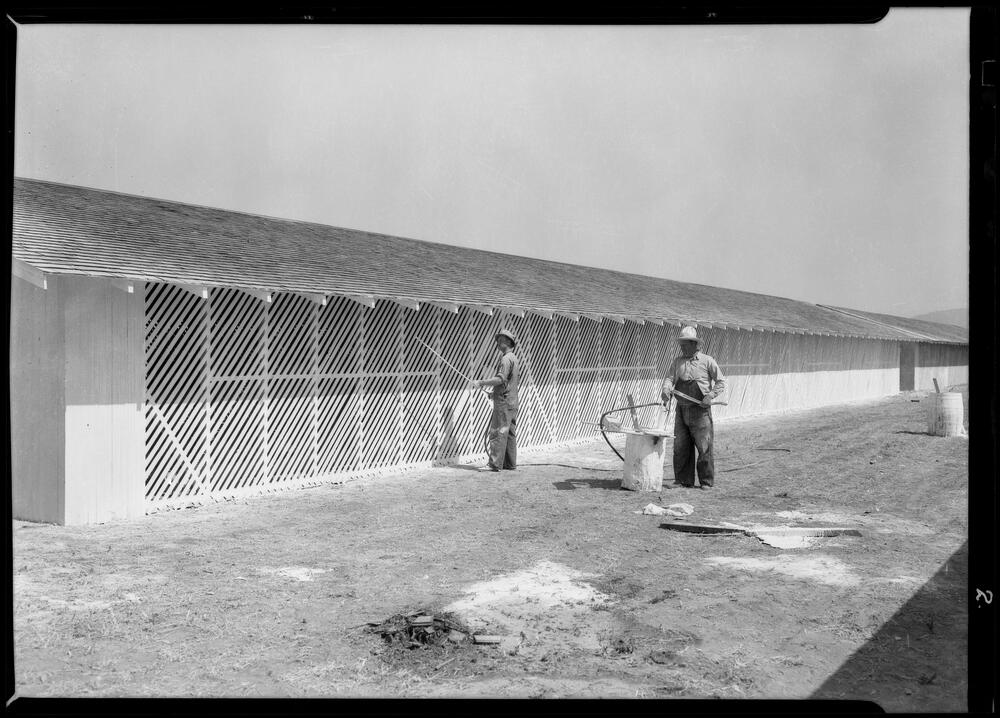
Runnymede Poultry Farm
From the opening of the Weeks Poultry Ranch, the founder has worked hard and studied for 12 years. He developed a profitable operation that consisted not only of raising poultry but also rabbits.
The new mission was the idea of a colony of small poultry farms, the Runnymede Poultry Farms corporate enterprise. It happened in 1927. He dreamed that these would be neat houses filled with sincere and sober people. Charles Weeks invited to the opening all those who loved nature, as well as plants and animals. He focused on the target audience. He spoke about the advantages of the climate, as well as the convenience of transportation (it was convenient to get to important places by tram from the territory of the poultry colony).
Charles Weeks attracted the attention of visitors at public demonstrations, lectures and bird farms. Thus, public interest only grew. The site expanded, as did the scale of the poultry farm.
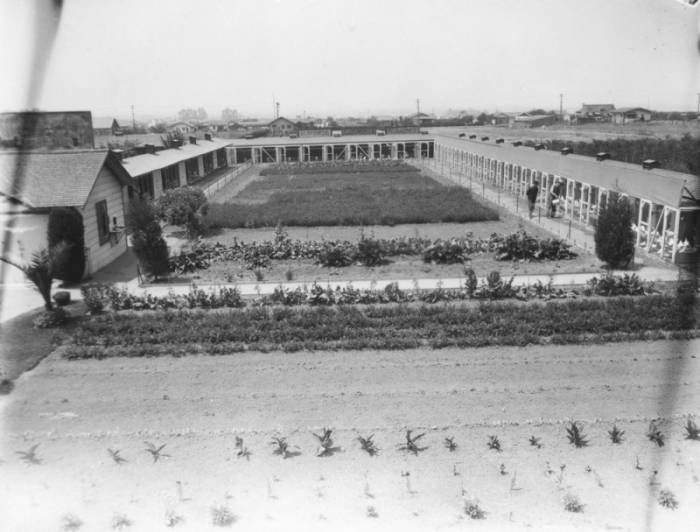
The role of the poultry farm in the history of Los Angeles
We can conclude that Runnymede played a significant role in the development of poultry farming not only in California but also in the United States. The success of the poultry farm and egg ranch was based on the use of innovative methods of poultry farming. Thanks to this farm, it was possible to get a really large number of eggs at an affordable price. In addition, the story of Runnymede is another reminder of how a small business can become one of the leaders in its field through hard work and dedication.
