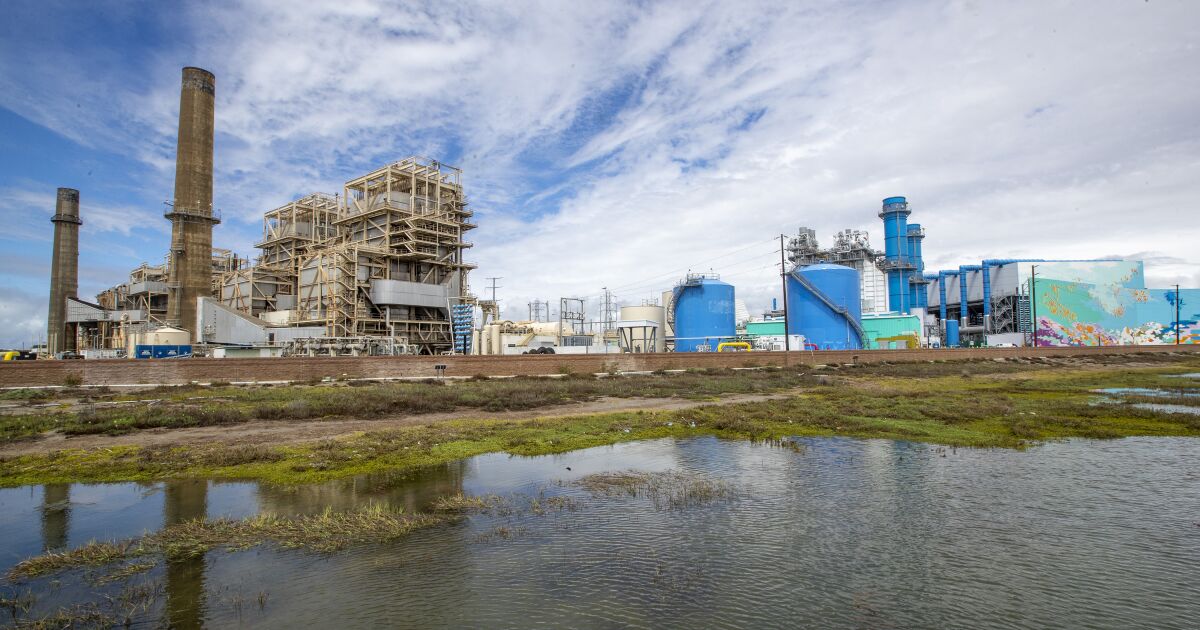
When and how did the first city power station appear? What preceded this process? Local residents of the big city are interested in history and Los-Angeles.Name tells more about all this.
Edison
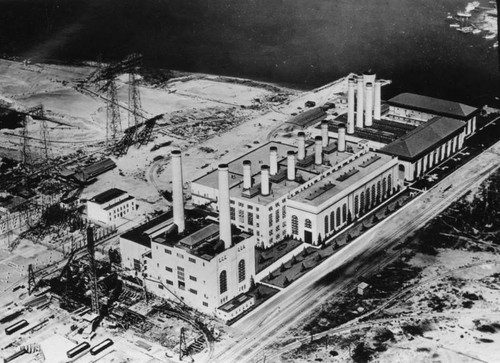
The population of Los Angeles grew at an incredible rate. For example, in 1896, it approached 100,000 people. At that time, several private energy companies worked in the city but the need for electricity continued to grow.
Later, several businessmen founded the West Side Lighting Company. It was the most important of Edison’s ancestral companies, which later changed its name.
In 1911, the Los Angeles Bureau of Power and Light was established. It was a crucial step to manage the city’s electrical system. Private companies produced electricity but it was necessary to create a certain regulatory and control body. In 1922, the Bureau acquired Edison in Southern California and the distribution system operated within the city limits.
Underground power lines
This was another important historical phase. The power lines were getting messy, as well as telegraphs and telephone lines. Thus, it was decided to use Thomas Edison’s patented three-wire tube technology. The company required those electrical companies that utilized Edison’s patents to add his name to their brands. Therefore, West Side Lighting changed its name and became the Los Angeles Edison Electric Company .
It is also interesting that in 1907, the company began to generate electricity from the Kern River hydroelectric plant. It was delivered to the Los Angeles basin. That line had the highest voltage indicators in the city. It was 118 miles long with a voltage of 75 kilovolts and was also the first to be built on steel towers.
Bureau and its transformation
In 1937, the Bureau acquired the power system of the Los Angeles Gas and Electric Corporation. This step made it the dominant electricity supplier in the city. In the same year, another important event took place, namely it was merged with the Bureau of Water Works and Supply. Thus, the Los Angeles Department of Water and Power was created as the sole provider of electric services for the city in 1939.
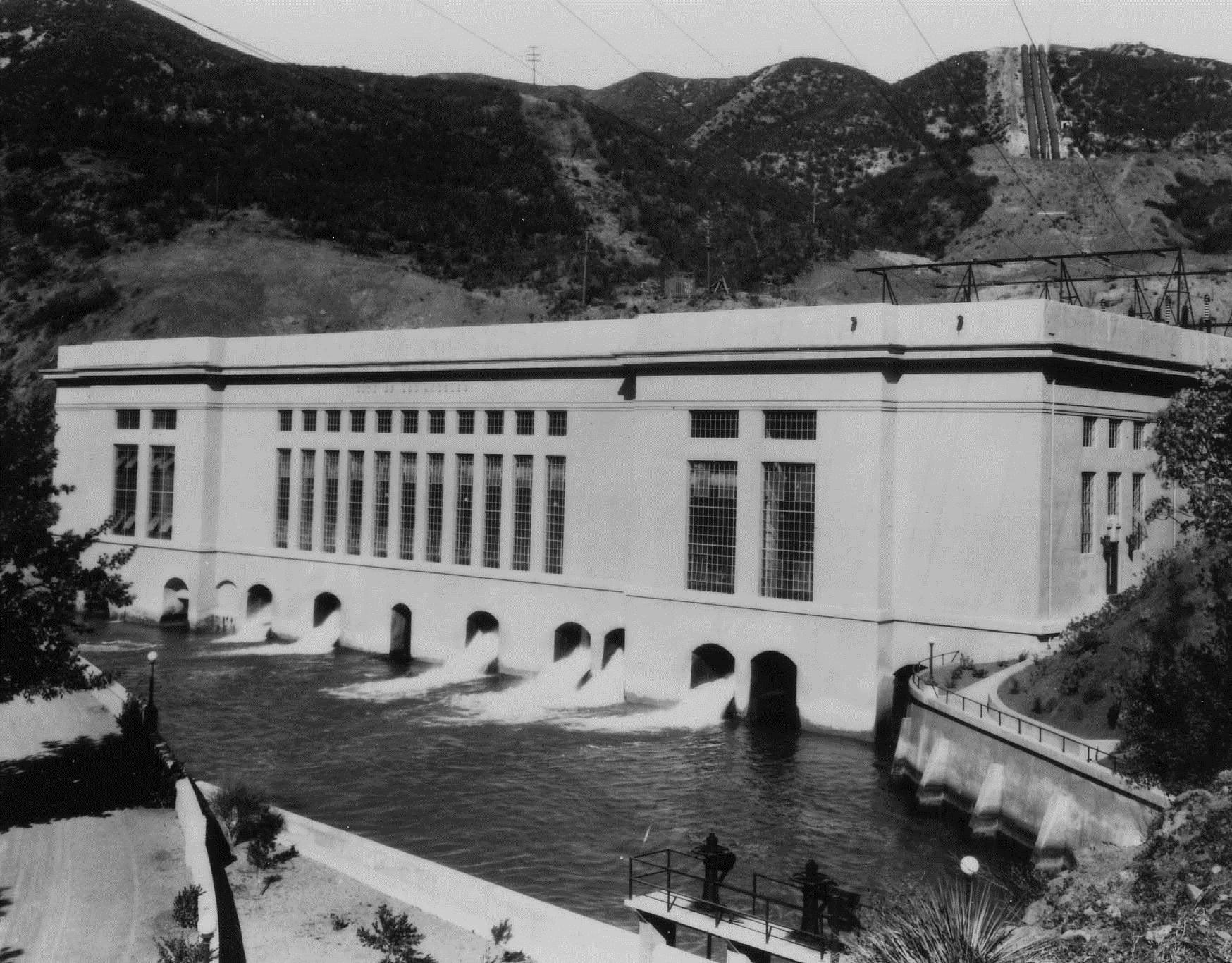
Municipal electricity was proposed by the Bureau in 1917. At that time, the power plant No.1, located in the San Francisquito Canyon, started generating electricity. It provided enough electricity to 37,000 households in Los Angeles.
In 1920, another power plant No. 2 was developed. It had a short history due to the destruction of the St. Francis Dam. Only eight years later the power plant No. 2 was reconstructed and returned to operation. Nowadays it functions.
Power outage
The only time Los Angeles experienced a complete blackout happened on January 17, 1994 due to the Northridge earthquake. Over a few hours, some power was restored.
The next time happened in September 2005, when a service worker accidentally cut power lines. This led to the fact that more than half of the city remained without electricity for an hour and a half.
Altogether, the Los Angeles Department of Water and Power continues to be the largest municipal electric company in the country. The company serves more than 4 million residents and is a valuable asset to the city. In 2010, the target of 20% renewable energy was reached, and in 2020, this indicator has already increased to 33% (the Department has exceeded its promise). There is a plan for 80% renewable energy by 2030 and 100% carbon-free by 2035.