
Sometimes the history of Los Angeles winemaking is also called obscure because it is more than 200 years old and still alive. So, Los Angeles Name will try to tell you more about Vine Street and how the locals used to make wine.
What was it like before?
Life in Los Angeles is in full swing, and the city’s frantic rhythm makes it impossible to get bored. That’s why it’s hard to believe that things used to be different. Back in the early 19th century, the city was the center of the wine industry, and the territory of Los Angeles was covered with vineyards. Where are they now? What happened to them?
In fact, there is little to remind us of those golden days of winemaking, except for street names like Jean-Louis Vignes and El Aliso. These names did not appear out of nothing. They are the names of the most prominent vineyards in the city, planted by French immigrant Jean-Louis Vignes.
Citizens and visitors alike need only take a stroll along Olvera Street and look up at the old vine.
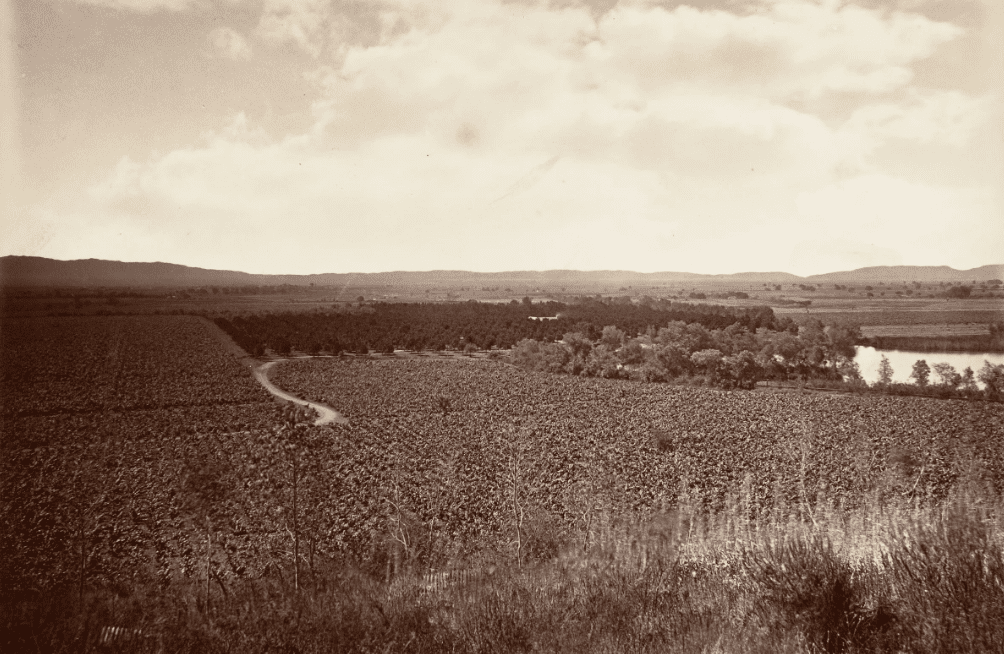
History of the city’s winemaking in books
One of the well-known books is Tangled Vines: Greed, Murder, Obsession, and an Arsonist in the Vineyards of California by Frances Dinkelspiel. The book describes in detail the greed and murder, obsession and big money that surrounded the best California wines.
Here are some interesting things that are also mentioned in the book. On October 12, 2005, a massive fire broke out in California at the Wine’s Central warehouse in Vallejo, which was one of the largest wine destructions in history. In just a few hours, the fire destroyed 4.5 million bottles of unique, finest California wines. They were estimated at $250 million.
But why did this happen? The fact is that Mark Anderson stole the precious wine and tried to hide the traces of the crime, so he set fire to a bucket of rags that he had previously soaked in gasoline. The fire destroyed not only priceless bottles of wine, a port with a long history, but also one of the oldest vineyards in California.
This is a kind of background to the book because it tells more about the passion of men and women to make wine and about its “dark side”. All this only fuels interest in the topic of winemaking in Los Angeles.
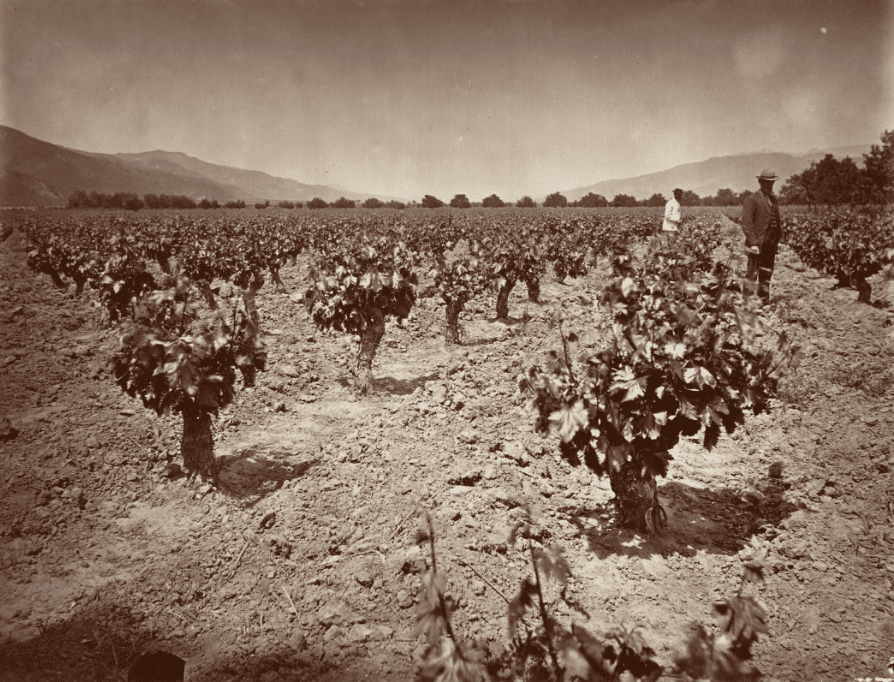
Vines grew along the Los Angeles River
How and when did wine first arrive in California? Interestingly, it happened thanks to the Spanish mission system because wine was an integral part of the communion.
Mexico took over authority of Los Angeles in 1833 and loosened regulations around property ownership. As a result, people from outside California could establish wine vines beside the city’s river. Although it would be impossible to describe that wine as flawless in general, it was intended for domestic usage.
Auguste Bernard Duo-Chilli, a French captain, said that the townspeople were good at growing grape vines, but the wine and cognac made from them were inferior to the exquisite taste of drinks made from special grape varieties.
Vignes and the commercial potential of winemaking
A descendant of the Bordeaux wine area, Vignes arrived in Los Angeles sometime around 1831. He bought 104 acres, and he gave his vineyard the name El Aliso. Vignes made well-liked wine. Others recognized the business possibilities for increased wine sales because of the person.
Jean-Louis Vignes’ business was later joined by his nephew Pierre Sainsevain. Already in 1840, the men loaded a ship and sent it to the north of the country to sell the wine they had made, El Aliso. This is the first time California wine was commercially sold, which is why it is such a unique event.
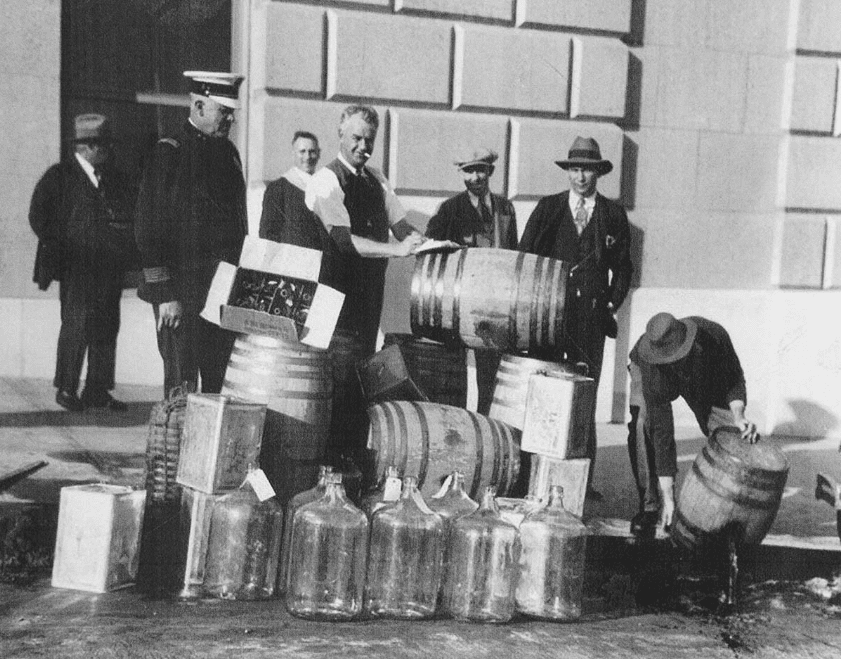
Rapid growth and fall
When the area’s gold was discovered in 1848, California wine’s popularity skyrocketed. At that time, everyone who was looking into other forms of income than gold began cultivating grapes. The data provide the clearest illustration of the positive dynamics. In 1858, there were 4 million vines, up from around 324 thousand in 1855.
Los Angeles had a short-lived reputation as the City of Vines. For instance, Vineyard Lane was a well-known name for the route leading to the port of San Pedro. Surprisingly, Northern California evolved into the epicenter of the wine business at that time, but the following setbacks accelerated the growth of winemaking in the area:
- prohibitions on the production of wine and other alcoholic beverages
- Pierce’s disease and phylloxera. This disease ate away at the vine, giving it no chance to go from harvesting to making delicious wine.
In the early 1890s, vineyards began to spread in the following counties: Orange, San Bernardino, Riverside. The fact is that the Mediterranean climate in the area made the terrain just an ideal environment for growing fruity and lush grapes with rich color.
The wine industry in Los Angeles has been declining — it’s a great example of the rise and fall. One of the reasons is urbanization, as more and more people moved to the new city. Very few wineries have survived until now.
A winery in Los Angeles that has survived
We will mention the San Antonio winery, which was founded in 1917 by Italian immigrant Santo Cambianica and dedicated to his patron saint, St. Anthony. The man was a devoted Catholic, and it is also known that he managed to survive the ban on the production of alcoholic beverages. Instead, he made wine for churches.
Here is the beginning of the story. In 1910, Santo Cambianica left his home in the northern Italian province of Lombardy. He arrived in New York and then traveled until he arrived in downtown Los Angeles.
The man quickly gained a reputation among the townspeople as a hardworking, honest and deeply devout Catholic. To open a winery, he needed money, so Santo spent several years saving and building relationships and joined the Italian-American community. In 1917, he managed to establish a winery on Lamar Street.
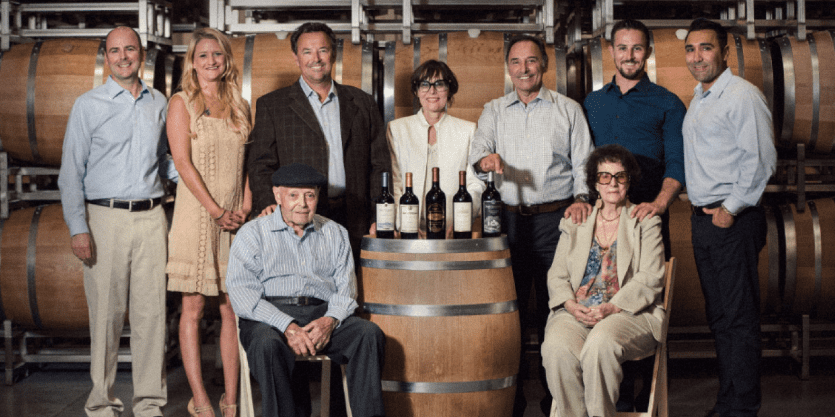
Modern history of the winery
The winemaking business has been passed down from generation to generation, making San Antonio a unique winery. Family business — the life’s work of four generations continues. Today, San Antonio’s vineyards are located in Paso Robles, Monterey, Napa Valley, and the winery itself is one of the most awarded in California.
Dante Colombatti, a fourth-generation family member and marketing director, told us why his family decided to keep their operations in Los Angeles. He noted that this winery is their roots, which are intertwined with the history of his family. For example, Dante’s mother and uncles were born on the second floor of the family winery.
The Los Angeles River itself, which used to be lined with vineyards, has been replaced by businesses and numerous homes. The San Antonio Winery is the oldest and largest winery in Los Angeles, which is located on the original site, i.e., on Lamar Street.
This winery is a remnant of the city’s rich winemaking traditions, and in the early 1960s, the Los Angeles Cultural Heritage Commision confirmed all this, as the San Antonio winery became a Cultural Landmark №42.
Why is the history of Los Angeles wineries little known? Perhaps the answer is simple and lies in the fact that Los Angeles rarely remembers its past, but focuses on the future.