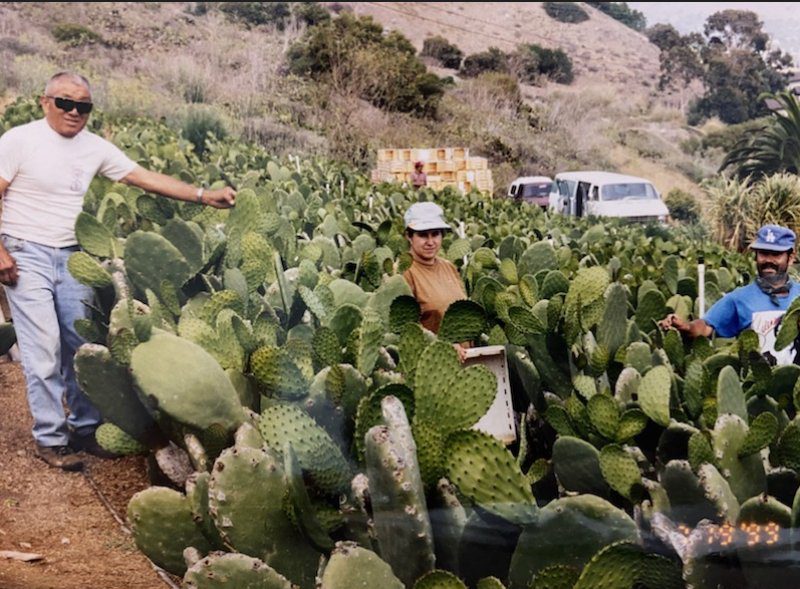
Once ambitious Japanese-American community managed to achieve something unbelievable, precisely to turn Southern California into an agricultural center. Los-Angeles.name will tell more about this period, as well as about the farm lost to modern citizens.
Fulfilled dreams about a farm
James Hatano and his family had been tilling the land in Redondo Beach, California, for over 20 years. It was after some time that they decided to start their own business.
James reminisced that his family has been farming since immigration to California. He also talked about college and working on a vegetable farm near Boston. The man was 30 at that time and worked every day from 9:00 a.m. to 5:00 p.m. He became a senior employee due to his relentless efforts. Every day, he and other laborers transplanted the plants in the greenhouse and then in the fields, reaped a harvest and quickly packed it.
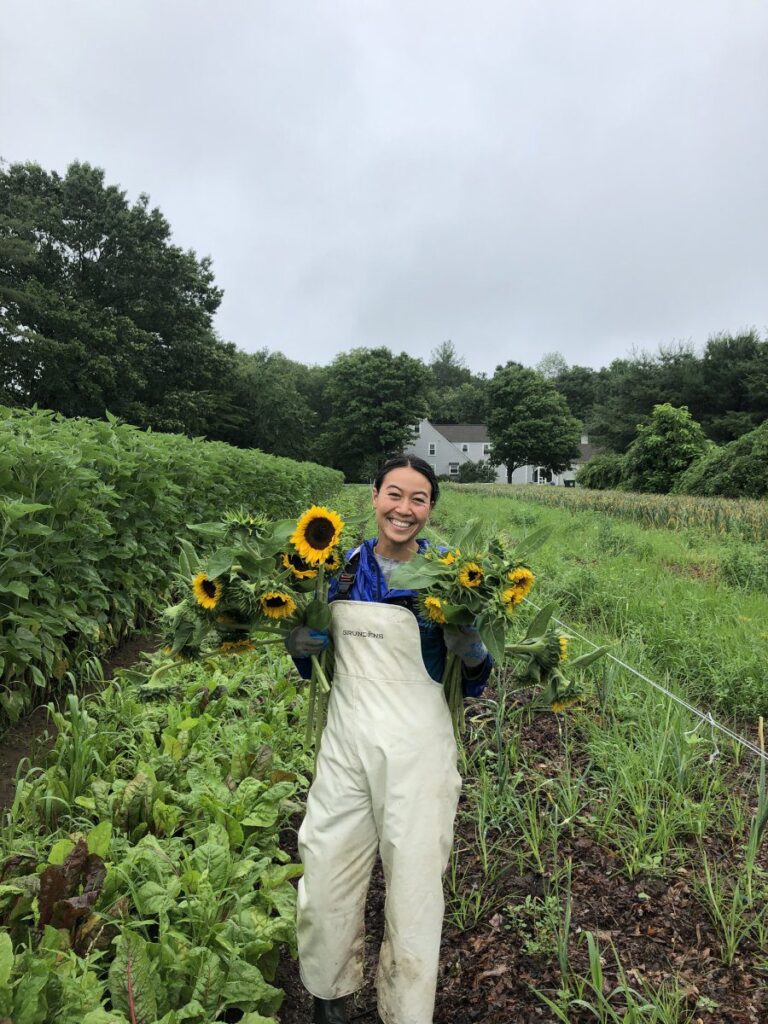
James Hatano adored sunflowers and dreamed of growing them. His grandfather, who had a farm in Rancho Palos Verdes, California, also liked this crop. Interestingly, the Los Angeles suburbs at that time looked like a California tourist poster. In 2015, James’s grandfather passed away, and then the farm was due to close. What did that mean? It was the end of an era, the closing of the last Japanese-American farm on the peninsula. On August 16, 2022, Rancho Palos Verdes stopped its activity.
The heyday of the farm
Every business experiences its glory days. Speaking of Rancho Palos Verdes, it also attracted many ambitious and hardworking farmers. They grew strawberries, beans and dealt with pests.
The history of the family business began back in 1882 when the Japanese-American community leased a plot of land. As the ground was dry, there were few encouraged by such a prospect. The working family managed to turn the desert into fertile agricultural land. California’s climate became increasingly torrid, so most farmers began to adopt dry farming techniques.
Besides growing strawberries and beans, the Japanese-American community was engaged in crop husbandry. James Hatano’s grandfather cultivated sunflowers. Farmers who practiced the same agriculture branch earned more than 16 million dollars.
Future Farmers of America
Hatan’s grandfather was known to be a member of this organization. In 1942, on the West Coast, over 120,000 Japanese (including American citizens) were imprisoned under Executive Order 9066.
It was a difficult period. Most Japanese Americans lost almost everything they had. The land they cultivated was taken from them, the equipment was stolen during their absence, and they were forced to work in camps, tilling plantations. Only a few managed to return to their former agrarian life.
James’s grandfather got lucky, so to speak. He was confined in the Poston Camp, Arizona, from where he escaped and went for a soldier.
In the 1950s, the man took a lease of a land plot on the peninsula from the military. That is how Rancho Palos Verdes town was registered in 1973. The contract stipulated that one part could be used for agricultural work and the other had to become a recreational area. The city authorities allowed the man to extend the lease until 2014. In the same year, he handed the contract over to Martin Martinez. It is interesting that the man started working on the farm as a teenager. Making this important step, he made sure that his lifework, the farm, would live on.
This story is one of many from the life of the Japanese-American community. They were prosecuted under Executive Order 9066 and experienced devastating economic setbacks, but could continue and maintain their life’s business.