

At the end of the 18th century, when people began to build reservoirs and irrigation channels for the fields, a small settlement called Los Angeles became dependent on the river. Over time, the settlement transformed into a city that continued to grow. It became clear at that time that the water reserve was insufficient. Therefore, in 1913, the construction of the first Los Angeles Aqueduct was completed. Los Angeles Name will tell you more about this.
The major prerequisites
People have always needed a stable water supply, but after a drought in the early 20th century, it became a top priority. Moreover, the city authorities wanted to establish Los Angeles as a major metropolis on the West Coast, but without achieving this important goal, it would not have been possible.
A private corporation, the City of Los Angeles’ Water Company, fully controlled the city’s water supply system until the end of the 19th century. Then significant changes took place.
- In 1902, the municipal government bought the franchise. William Mulholland remained the head of the new Department of Water Supply and Power in Los Angeles.
- In 1904, the Board of Water Commissioners assigned Mulholland and other engineers to find new sources of water. To meet the needs of the city’s population, such a step was extremely important.
- Mulholland, along with Fred Eaton (a former boss of Mulholland and an engineer who later became the mayor of the city), found a potential solution. They focused on the Owens Valley region. According to calculations of engineers, the Owens River could provide enough water for Los Angeles.
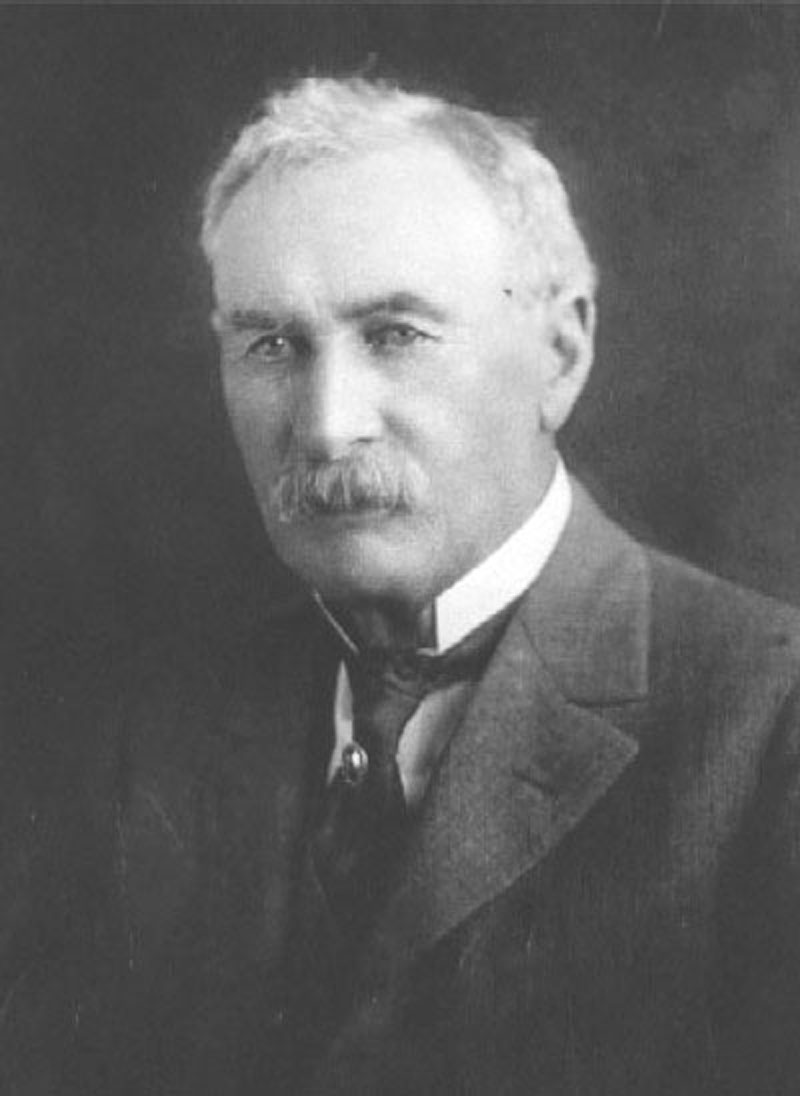
Who is William Mulholland?
Becoming in charge at the age of 31, he held this position for a long time, which makes his figure even more interesting. William Mulholland was born in Ireland and was a self-taught engineer. His career development is impressive, as he started as a ditch cleaner for the Los Angeles Water Company.
Interestingly, until the 1920s, he continued to search for water for the Los Angeles region. The city was growing and transforming into a metropolis. William Mulholland urged to build an aqueduct and a dam on the powerful Colorado River. His dream came true, but only four years after the engineer’s death. In 1939, the construction of Hoover Dam was completed.
Liquidation of the farming society: how did it all begin?
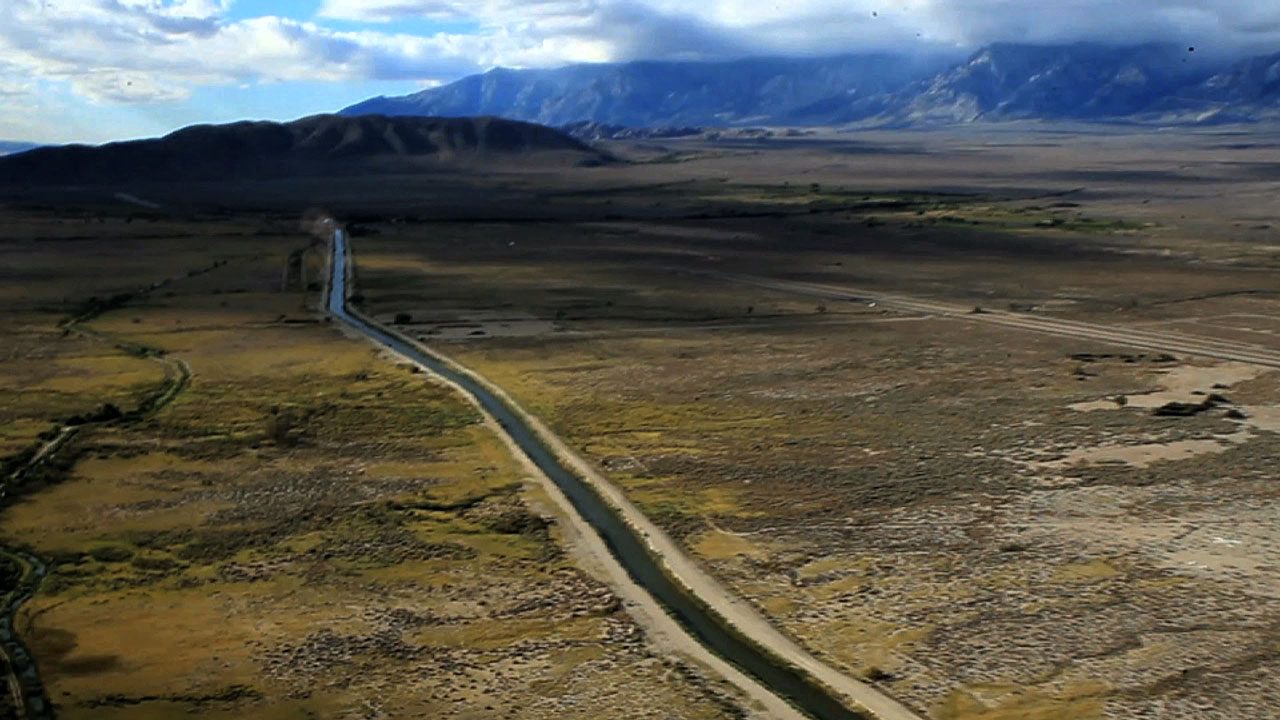
Farmers and ranch owners, as well as other residents, used the Owens Valley and River for their own purposes. For example, active community representatives sought federal funding from the Bureau of Reclamation to implement a public irrigation project in the region. Unfortunately, William Mulholland and Fred Eaton disrupted their plans. They employed unfair and dubious means of influence. To block the irrigation project, they used wide political contacts of the current mayor, Fred Eaton and resorted to bribery and deception. These men managed to acquire enough land and water rights in the Owens Valley.
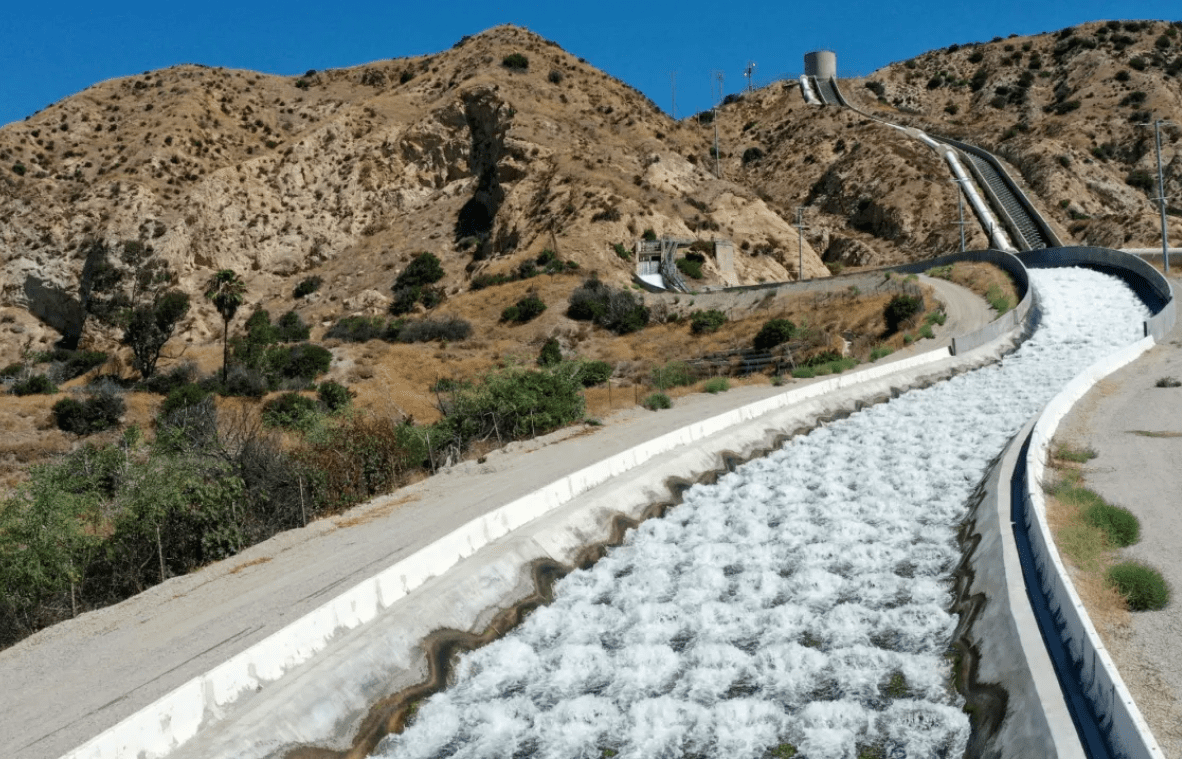
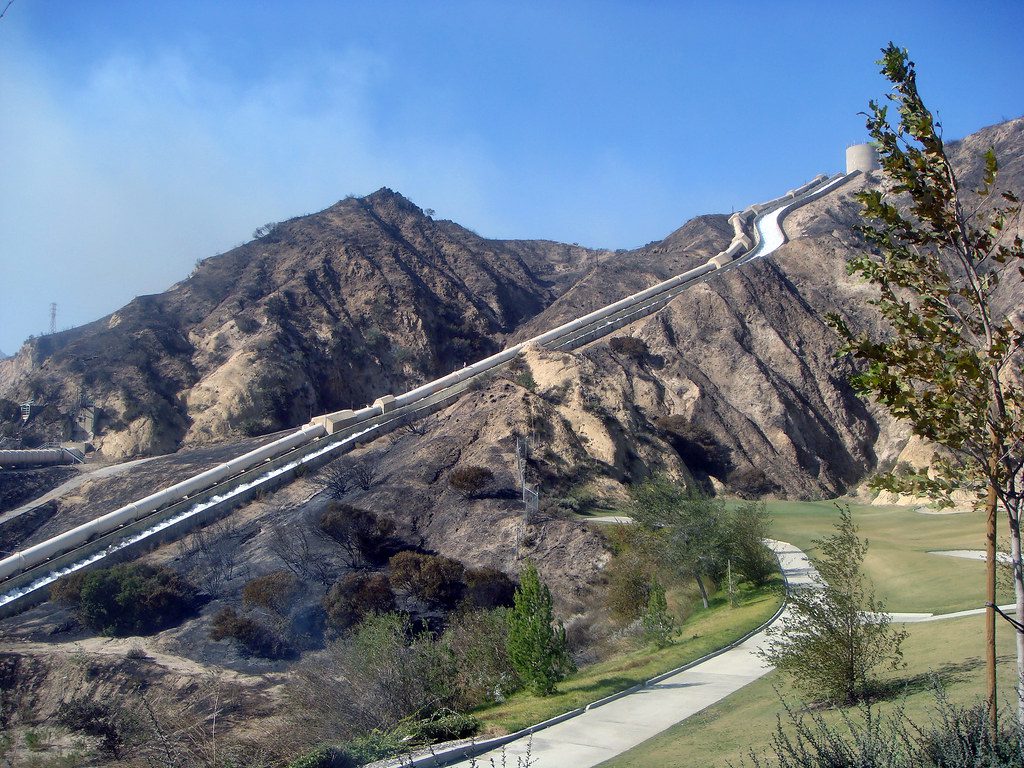
Engineers intended to build an aqueduct from the Owens River to the San Fernando Valley. The term “aqueduct” translates from Latin as “water supply.” It is a structure for delivering water to certain settlements or irrigated fields by building pipelines (channels) across ravines, rivers or roads. In this context, the aqueduct directed water from the Owens River through canals, tunnels, and pipes until it reached the spillway of the San Fernando Valley.
At that time, the valley near the city was characterized by a high level of aridity. However, rich syndicate members in Los Angeles were buying up acres of land. For example, Harrison Gray Otis, publisher of The Los Angeles Times, and such railroad magnates as Moses Sherman, E.H. Harriman and Henry Huntington, who envisioned the amount of the profit, were among these people. It was they who initiated a bond issue for $1.5 million for the building of the aqueduct. It is also worth noting that President Theodore Roosevlt supported and strongly approved the project.
Commencement of construction and first success
It is known that in 1907, the city’s voters approved the issuance of bonds for the aqueduct (for 23 million dollars). So, the construction process began in 1908. The main features of this process include:
- High speed. Over 4000 workers set records by laying miles of tunnels and pipes
- Innovation. New technologies were used during construction.
The first aqueduct was completed in 1913, and on November 5 of the same year, a solemn consecration ceremony took place. A swarm of people came to see with their own eyes the water flowing out of the aqueduct. It was the largest single water project in the world for that period. It was also unique for being the longest aqueduct in the world, with a length of 375 km.
William Mulholland deserved special gratitude and wide recognition for the building of the aqueduct.
The main purpose of the construction (meeting the needs of the population) was successful. 300,000 people lived in Los Angeles at that time, while the aqueduct would have provided enough water for millions of people. As a result, the population drastically increased, making LA a large metropolis.
Protest of Owens Valley residents or the so-called Water Wars
The story could have ended on this happy note, if not for one “but”. We are talking about the outraged and very disappointed farmers, the ordinary inhabitants of the Owens Valley. By the 1920s, their farms had completely run out of water, as everything was pumped into the ever-growing San Fernando Valley. In fact, the construction of the Los Angeles Aqueduct meant the actual annihilation of a sustainable farming community. The ecosystem of Owens Lake was utterly devastated.
In 1924, was the first time when rioters blew up part of the aqueduct. They repeated it again in 1927. At that point, these events were called the California Water Wars. This, in turn, divided Southern California. The lake was not revived despite their efforts. To this day, there is a minimum level of surface water in the region. This is a kind of safety measure to prevent toxic dust from the bottom of the lake from reaching the local community.
A tragedy occurred when, in 1928, the St. Francis Dam burst in the northern part of Los Angeles. Consequently, such towns as Castaic Junction, Fillmore, Bardsdale and Piru were flooded. Hundreds of residents drowned. According to the investigation report, the rock in this region was unstable and, therefore, unable to support the dam.
Mulholland was first accused but acquitted after a little while. This incident ruined his reputation, making him resign voluntarily.
Building of the second aqueduct
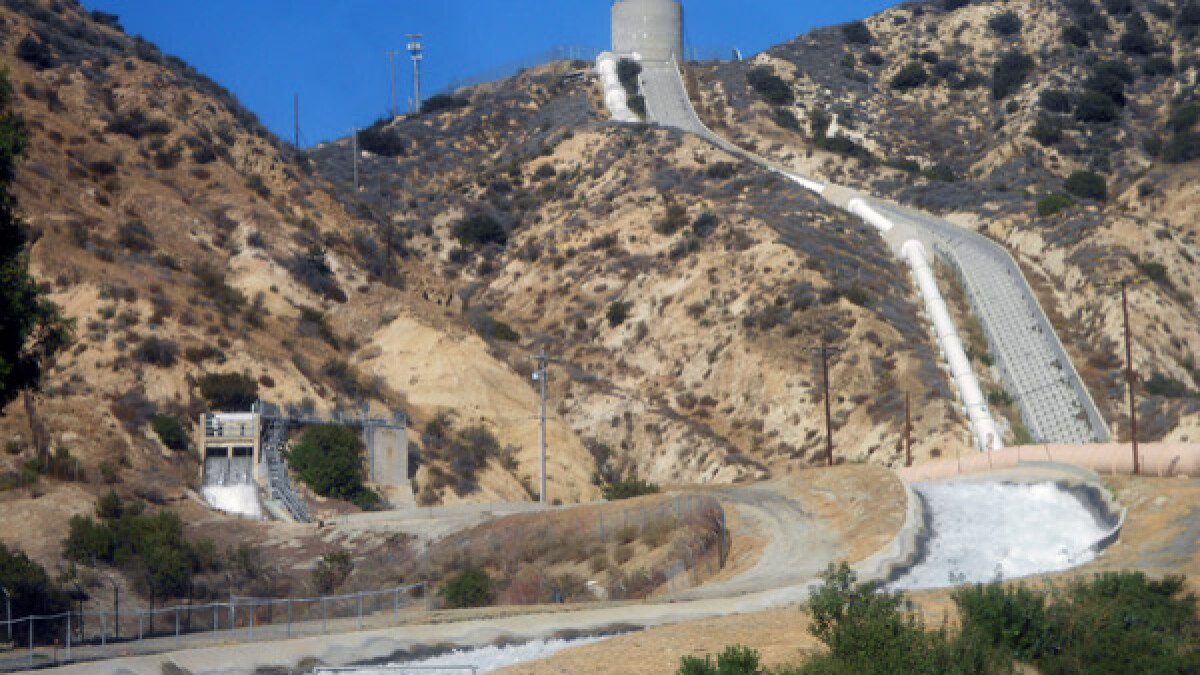
This was not the end of the Los Angeles Aqueduct history. With the new Mono Basin Project, it was extended further north in the early 1940s. In 1930, voters passed a third bond issue for a total of $38.8 million. These funds were sufficient to purchase land in the Mono Basin and finance its expansion. Construction was completed in 1940. The following year, it was renovated. The limited discharge capacity of the Los Angeles Aqueduct caused some difficulties. In 1970, the second aqueduct was finished.
The ecological consequences of the construction of the aqueduct in the Owens Valley and the Mono Basin were confirmed in 1974. It led to a series of judicial restrictions on water exports and resulted in significant water loss for Los Angeles.