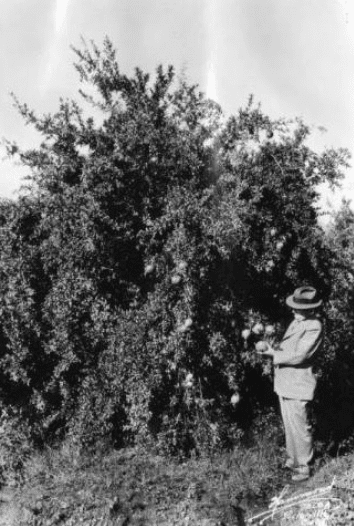
The year 1992 is notable for its record-setting crop yields. At that time, California was an oasis of agricultural prosperity in the United States, providing not just fresh fruits and vegetables for its residents but also for the entire nation. More details on this topic will be revealed by los-angeles.name.
Data Analysis
In California, 17.3 million tons of vegetables and cucurbituril crops were collected in 1992. The worth of this harvest was assessed at 3.7 billion dollars, roughly 20% of the overall cash earnings from crop and livestock sales.
Looking more closely at the state’s contributions, California produced 46% of the vegetables and melons available in the market and 57% of the vegetables designated for processing.
The top crops in this impressive yield included broccoli, carrots, celery, lettuce, cauliflower, honey melons, tomatoes and onions.
What made 1992 a landmark year for California?
1992 was indeed a significant year for California’s agriculture. Several key factors contributed to this. The weather conditions, specifically an advantageous mix of sunlight, warmth and humidity, enabled a substantial yield. Additionally, advancements in fertilizers, irrigation techniques and pest management likely played a role in enhancing both the quantity and quality of the produce. California also focused on cultivating crops that thrived in its optimal growing conditions.
The 1992 harvest of vegetables and cucurbituril crops set a record in California thanks to its varied climatic zones, advanced irrigation systems and strong market demand. This successful harvest showcased the significant potential of California agriculture and served as a model for other farmers and scientists aiming for similar outcomes.
Axel Borg’s Timeline
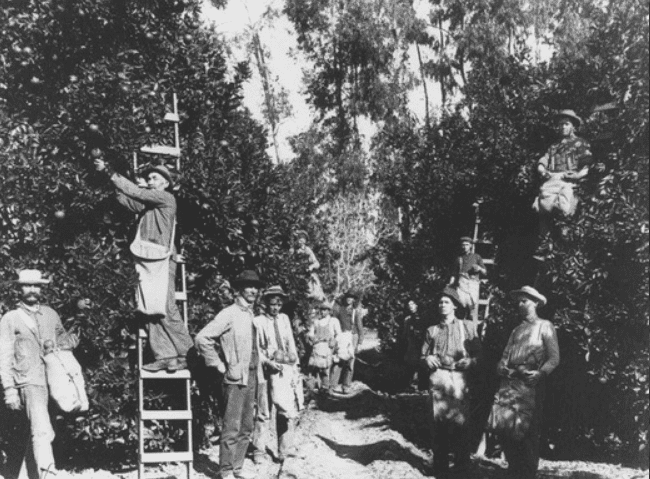
It’s a valuable source of information for anyone interested in the history of horticulture in California. It outlines how the state has evolved into a leader in this area. Published in 1987, the timeline was compiled by the Distinguished Wine and Food Bibliographer at the UC Davis Library, based on his research in A Bibliography of California Experiment Station Publications: 1877 to 1975.
With Axel Borg’s Timeline, you can discover a wealth of information about:
– The initial crops cultivated in California
– How the range of crops has changed over time
– The origins of different crops
– The influence of external factors
– The contribution of scientific research.
California Institute of Food and Agricultural Research (CIFAR)
It’s a worldwide network and innovation hub based in California, dedicated to advancing technology and cutting-edge food solutions. Established in 1991 at the University of California, Davis, CIFAR has been creating new opportunities and advancements ever since. The center enjoys direct access to leading research programs in food, agriculture and environmental studies.
The significance of CIFAR in advancing agriculture in California
The organization’s efforts directly influenced crop yields. For instance, CIFAR likely played a role in creating new crop varieties that could withstand diseases, drought, and pests. The introduction of these varieties in the early 1990s contributed to higher crop yields. By facilitating knowledge sharing through seminars, conferences, and various events, farmers were kept informed about the newest advancements in agriculture.
Reflecting on the 1992 California harvest highlights the dynamic and ever-evolving nature of the agricultural sector.