

As one of the most prominent American aerospace companies of the 20th century, it made a monumental contribution to U.S. military aviation between 1939 and 1994. From early structural experiments to the creation of the unique “flying wing” and the legendary B-2 Spirit bomber, the company’s history serves as a testament to engineering boldness and technological evolution. Northrop’s developmental era culminated in its 1994 merger with Grumman, leading to the formation of the modern Northrop Grumman Corporation—one of the largest defense contractors in the U.S. Read more at los-angeles.name.
The Company’s Inception
Company founder and aircraft designer Jack Northrop was an aerodynamics pioneer and an early proponent of the fuselage-free “flying wing” concept. His journey began in 1928 with the creation of the Avion Corporation, which by 1929 became part of the United Aircraft and Transport Corporation under the name “Northrop Aircraft Corporation.” Later, this division was absorbed by Boeing.
In 1931, operations moved to Kansas, sparking a new venture for Northrop: the Northrop Corporation, formed in partnership with Donald Douglas. It was here that the successful Northrop Gamma and Northrop Delta models emerged—fast mail and passenger planes that helped advance civil aviation in the U.S. However, due to labor disputes, the company was dissolved in 1937, and production was folded into Douglas Aircraft. Once again, Northrop found himself without his own manufacturing entity but was already planning a new independent company.
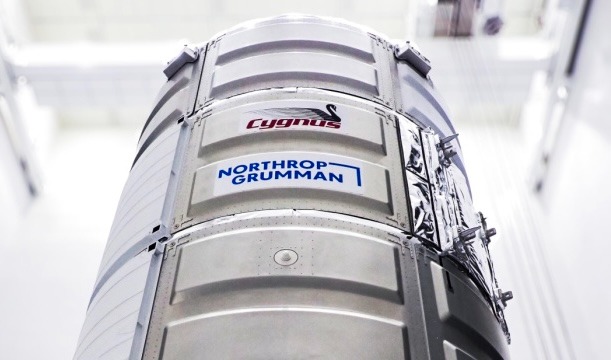
Northrop Corporation
In 1939, Jack Northrop launched a new enterprise under the familiar name Northrop Corporation, this time establishing it in Hawthorne, California.
Co-founder and aviator Moye Stephens located the site for the future factory. The World War II era proved decisive: the company ranked among the top 100 American enterprises by value of military production contracts. During these years, several iconic aircraft were created:
- P-61 Black Widow — the world’s first purpose-built night fighter;
- B-35 and YB-49 — experimental “flying wing” aircraft that were decades ahead of their time;
- F-89 Scorpion — a Cold War-era jet interceptor;
- SM-62 Snark — an intercontinental cruise missile;
- F-5 Freedom Fighter — a light multi-role fighter that became one of the company’s most successful models, along with its trainer variant, the T-38 Talon, which remains in service with the USAF to this day.
The popularity of the F-5 encouraged Northrop to design more powerful and modern successors. Throughout the 1970s and 1980s, the company developed a series of projects:
- N-300 — a modernized version of the F-5 with new engines and a high-mounted wing;
- P-530 — an improved model featuring a turbofan engine and increased wing area;
- P-600 — a simplified version designed to meet the requirements of the Light Weight Fighter program;
- YF-17 Cobra — the final variant that competed in the tender but ultimately lost to the F-16 Fighting Falcon.
Despite the defeat, the YF-17 became the foundation for one of the most successful U.S. carrier-based aircraft—the F/A-18 Hornet, developed in collaboration with McDonnell Douglas. Northrop retained rights to the land-based export version, the F-18L, but it failed to compete effectively against the F-18A, leading to protracted legal disputes. Northrop’s final attempt to create a new affordable fighter was the F-20 Tigershark, but it failed to garner sufficient demand on the international market.
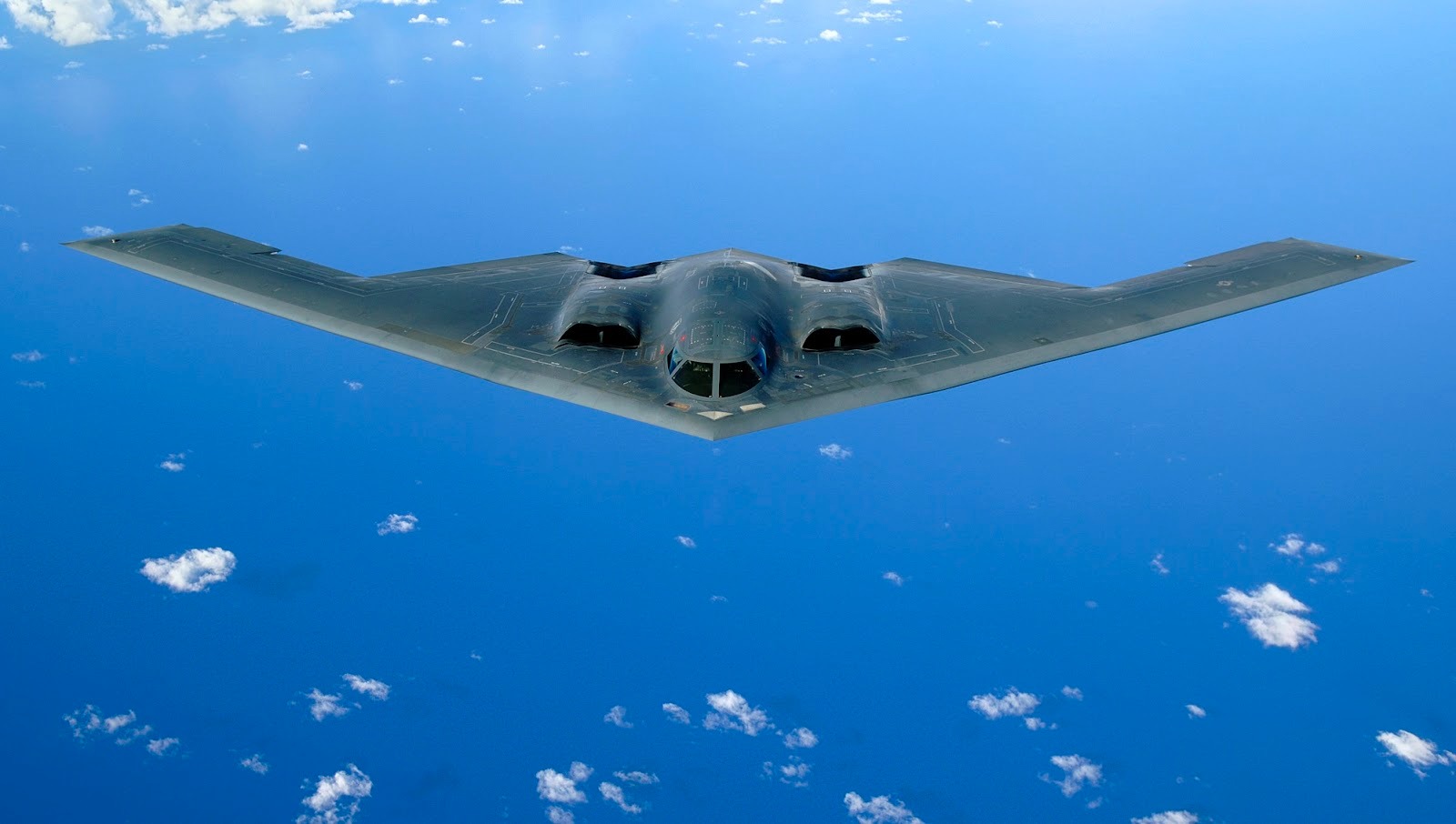
The Formation of Northrop Grumman
By the early 1990s, Northrop faced serious challenges in the defense contract market. The company lost to Lockheed in the Advanced Tactical Fighter (ATF) competition—a program to develop the next generation of fighters—and its proposal was eliminated from the Joint Strike Fighter (JSF) program. These defeats not only limited financial prospects but also prompted a reevaluation of development strategies and production scaling.
Amid the transformation of the U.S. defense industry following the end of the Cold War and a reduction in government orders, Northrop decided on a strategic merger with Grumman, a company renowned for manufacturing naval fighters and aircraft carrier systems. This 1994 union resulted in the creation of Northrop Grumman—a corporation that combined Northrop’s innovative technologies with Grumman’s proven manufacturing capabilities.
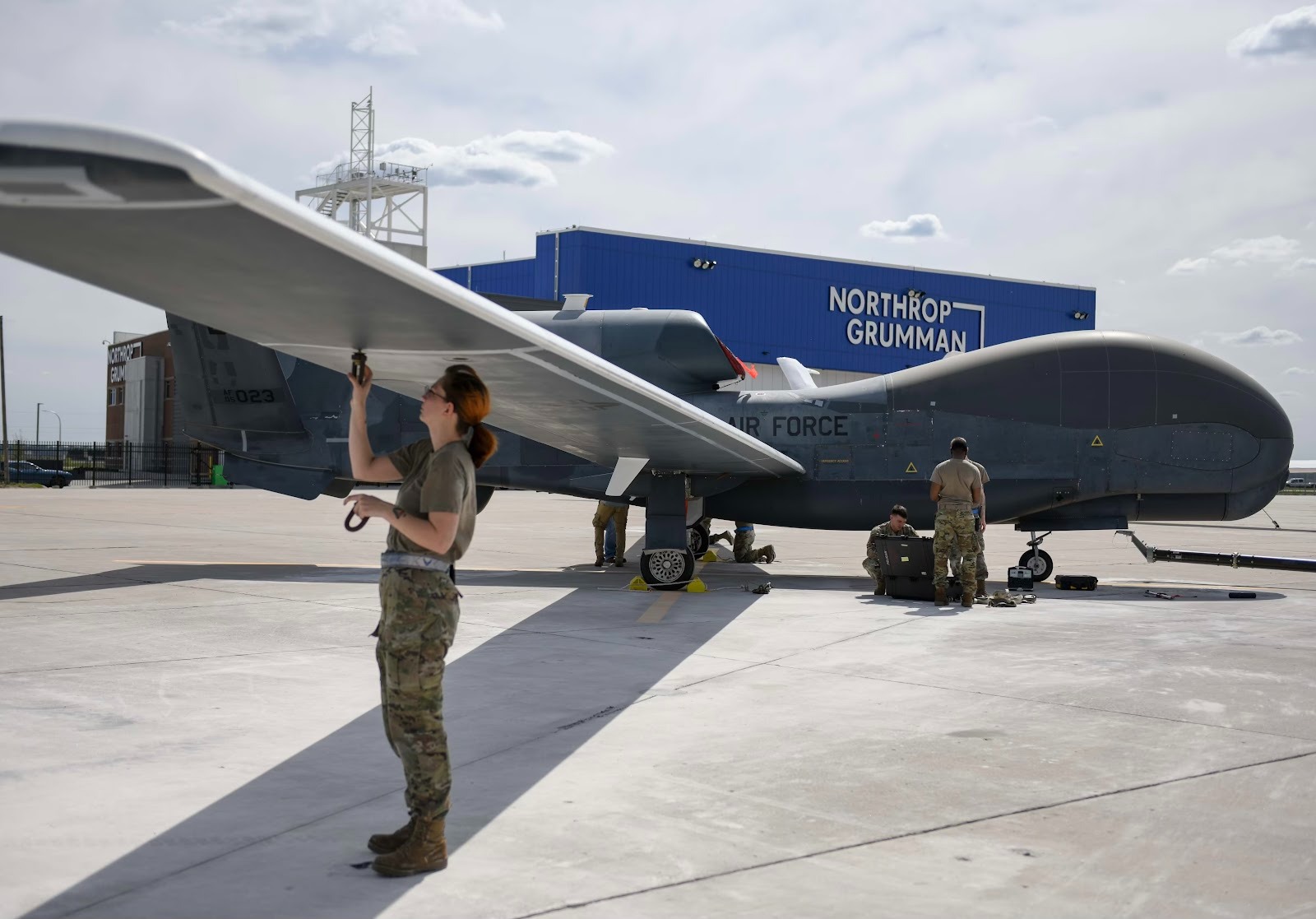
Northrop Grumman operates through four key business segments: Aeronautics Systems, Defense Systems, Mission Systems, and Space Systems. Aeronautics Systems handles the design, production, modernization, and servicing of aviation systems. This includes manned aircraft, drones, and platforms for reconnaissance, strikes, battle management, and surveillance (ISR). Defense Systems focuses on integrated battle systems, weaponry, missiles, missile defense systems, and munitions, as well as the sustainment and modernization of military hardware. Mission Systems covers radar, electronic, sensor, and communication systems designed for intelligence, surveillance, navigation, and early warning. Space Systems involves the creation of satellites, launch vehicles, missile defense, and subsystems for space missions, serving commercial, government, and space exploration clients.
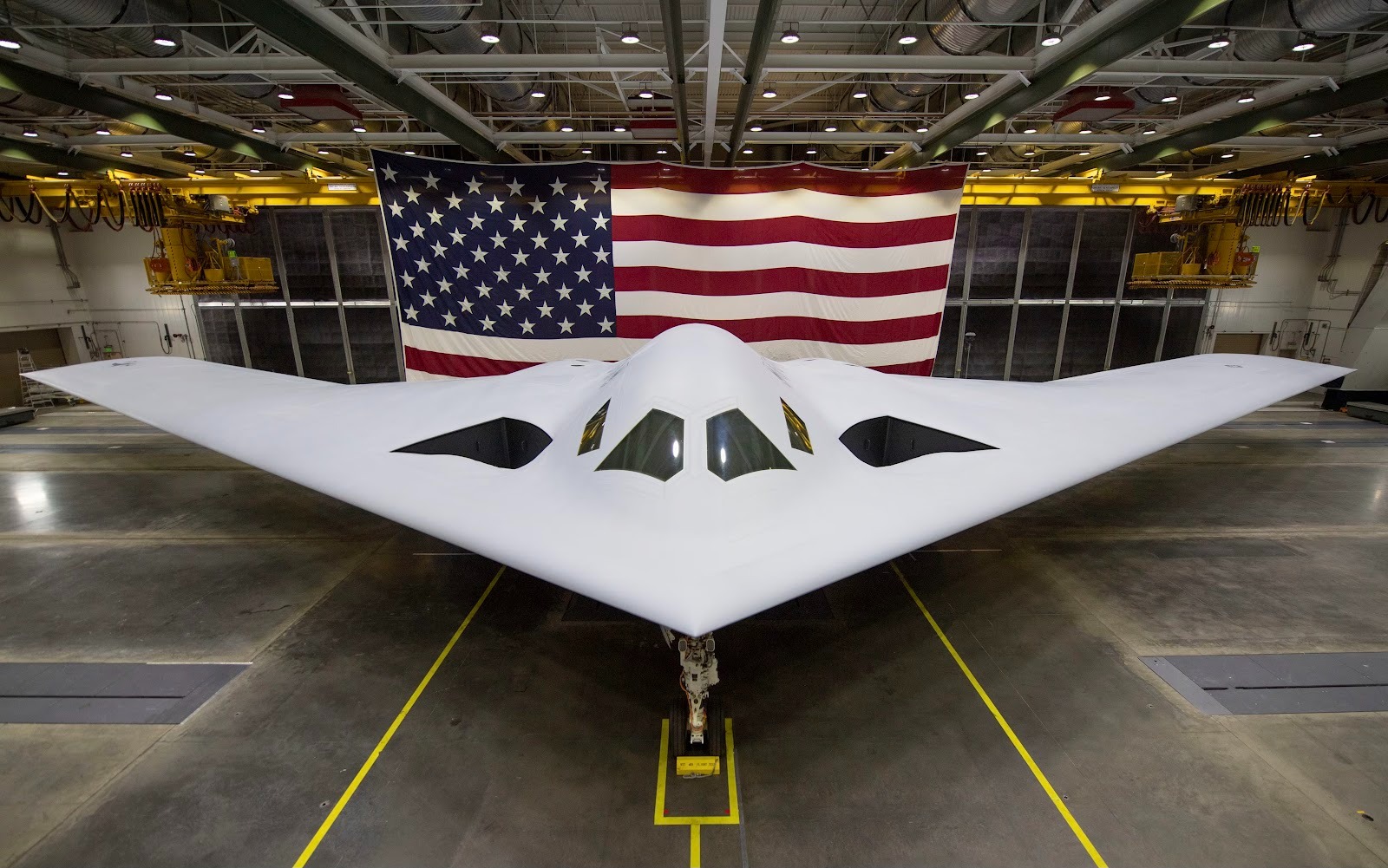
Environmental Impact
The EPA has officially designated the Northrop Grumman Systems Corp. site in the San Fernando area as a location with long-term chemical contamination. The following substances were detected in the soil and groundwater:
- Volatile Organic Compounds (VOCs);
- Trichloroethylene (TCE) — classified as a carcinogen by the EPA;
- Byproducts of aerospace manufacturing.
- The site is included in the federal Superfund cleanup program, which addresses the most toxic territories in the U.S. Remediation efforts include:
- cleaning groundwater using pump-and-treat systems;
- controlling the spread of chemical substances;
- long-term environmental monitoring.
Official EPA documents confirm that while the contamination is localized, the company’s historical emissions posed a significant environmental risk to the region. Beyond San Fernando, there are other territories in California where the activities of Northrop Grumman or its subsidiaries have had ecological consequences. This includes TCE and solvent contamination at aerospace facilities in and around Los Angeles, confirmed by environmental reports and county lawsuits. There are also historical issues regarding the disposal of industrial chemicals in areas where the company manufactured components for aviation and space technology. All these cases appear in reports by the EPA and related state agencies tracking industrial pollution in California. At the same time, in recent years, Northrop Grumman has emphasized the implementation of sustainable development practices, the modernization of production complexes, the reduction of toxic solvent use, the digitalization of manufacturing to cut waste, and cooperation with federal agencies regarding the cleanup of historical pollution.