

The history of the Montrose Chemical Corporation of California stands as one of the most stark examples of how industrial manufacturing can leave a massive, long-lasting environmental footprint. During the latter half of the 20th century, the company reigned as the largest producer of the insecticide DDT in the United States. Yet, beneath this economic success lay a grim reality: decades of manufacturing led to chronic, severe ocean contamination just off the Los Angeles coast. The repercussions are still felt today, ranging from toxic marine deposits to severely disrupted ecosystems. This case is frequently cited as a textbook study in corporate environmental responsibility. Here is the story, courtesy of los-angeles.name.
Company Foundations
Montrose Chemical Corporation launched its dichlorodiphenyltrichloroethane (DDT) operations in 1947, setting up shop in the Harbor Gateway neighborhood of South Los Angeles. At the time, DDT was widely hailed as a highly effective insecticide for agriculture and disease vector control. Fueled by skyrocketing demand, the company quickly dominated the market, supplying a massive share of the nation’s DDT. However, the long-term environmental hazards of manufacturing and using the chemical were poorly understood at the time, paving the way for systemic issues in waste management.
From 1947 to 1982, the company ran a high-octane operation at its primary Harbor Gateway plant. In the early years, production ramped up aggressively. DDT was regarded as a “miracle chemical” because of its unprecedented efficiency against insect pests. Under the leadership of Pincus Rothberg, the company solidified its status as the premier DDT manufacturer in the United States. The plant operated around the clock to keep pace with soaring demand:
- Manufacturing ran on continuous, uninterrupted cycles;
- Operations relied on massive volumes of organochlorine reagents;
- Waste was routinely dumped directly into the municipal sewer infrastructure.
Back then, environmental standards were virtually nonexistent, and industrial waste was rarely viewed as a serious threat. By the 1960s, while Montrose remained a juggernaut in the pesticide industry, the first waves of scientific skepticism regarding DDT’s safety began to emerge. During this transitional era, leadership passed to a new generation of executives, including Samuel Rotrosen, who took the helm after 1968.
In 1982, Montrose Chemical Corporation of California shut down its DDT production for good. But as the machinery fell silent, it became clear that the problem hadn’t gone away. Instead, the true scale of the accumulated toxic legacy began to unfold. The plant site itself was heavily contaminated—the soil held astronomical concentrations of DDT, industrial runoff had seeped deep into the groundwater, and the pollution had actively spread into nearby coastal ecosystems.
The Scale of the Environmental Disaster
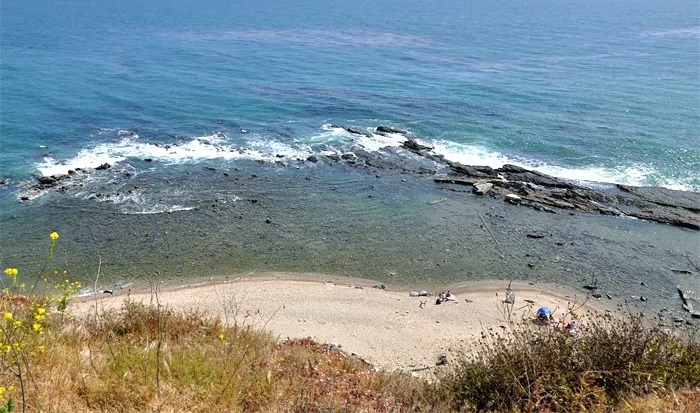
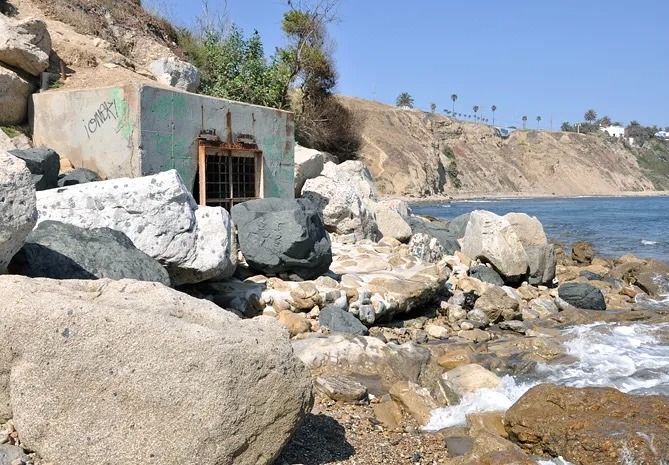
From the late 1950s through the early 1970s, the plant channeled its chemical waste into the county sewer system, which discharged straight into the Pacific Ocean. Estimates suggest that roughly 1,700 tons of DDT were pumped into the sea. On top of that, hundreds of thousands of barrels filled with toxic waste were dumped onto the ocean floor between the California coast and Santa Catalina Island. Some of these barrels were intentionally punctured to ensure they would sink, while others were dropped much closer to the shoreline than legally permitted. Research by scientists at the University of California later confirmed the presence of thousands of leaking barrels, proving that the contamination footprint was far wider than previously feared. The toxic trail traveled through the Kenwood Drain, the Dominguez Channel, and into the Port of Los Angeles, leaving dangerously high toxin levels in both fish and seafloor sediments.
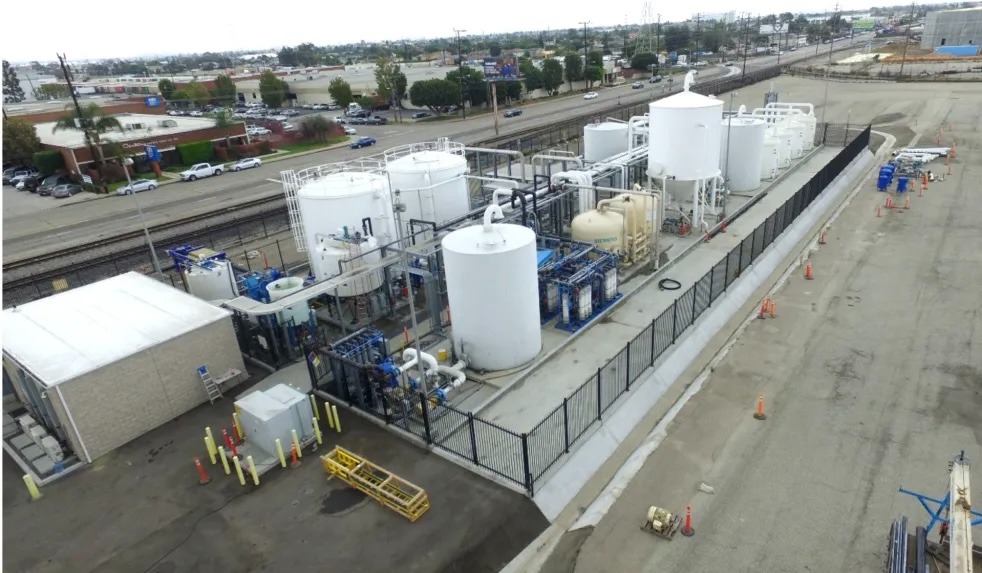
Groundwater contamination presented another severe crisis, as toxic chemicals including benzene and chlorobenzene saturated the area. The resulting contaminant plume stretches over 1.2 miles and compromises several aquifers. To combat this, a dedicated pump-and-treat system was built to extract, filter, and reinject the water. However, a complete cleanup is projected to take decades.
Meanwhile, the DDT and polychlorinated biphenyls (PCBs) embedded in the ocean floor are constantly leaching back into the marine environment. Microorganisms and bottom-dwelling worms ingest these toxins, which then move up the food chain to fish. This triggers biomagnification, meaning the concentration of toxins intensifies at every single trophic level. Apex predators—including predatory fish, marine mammals, and birds—bear the brunt of the damage. Bottom-feeding fish are particularly vulnerable and carry high toxic loads, which prompted Southern California officials to issue strict fish consumption advisories starting in the 1980s. The ecological fallout has been devastating. For instance, Santa Catalina Island’s bald eagle population struggled to recover for decades because DDT caused their eggshells to become dangerously thin. Marine mammals have also shown unusually high rates of cancer, a rare phenomenon in wildlife that scientists directly link to this toxic exposure.
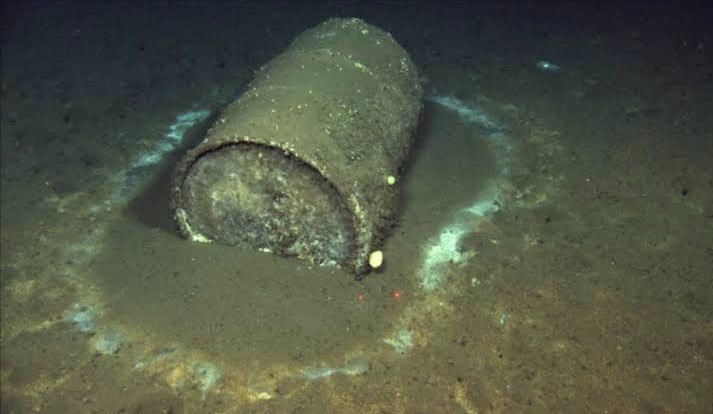
The Palos Verdes Shelf remains one of the most heavily contaminated marine zones along the California coast. A thick blanket of sediment—measuring up to 24 inches and heavily saturated with DDT and PCBs—covers the seafloor here. The contamination spans dozens of square miles, with the volume of toxic sediment exceeding 11.7 million cubic yards. Even though Montrose halted production decades ago, the environmental crisis remains incredibly pressing. The sediment on the Palos Verdes Shelf still holds high concentrations of dangerous chemicals, and the EPA estimates that fully restoring the local groundwater could take up to 50 years.
Remediation and Cleanup Efforts
In 1989, the U.S. Environmental Protection Agency added the plant site to the National Priorities List, officially designating it a Superfund site. The designated hazard zone encompasses not only the original facility but also surrounding properties. Remediation has been tackled in phases. On-site, an asphalt cap was constructed to isolate the contaminated soil and prevent toxins from spreading, alongside sophisticated groundwater filtration systems. In the marine zones, efforts focus on long-term monitoring, strict fishing restrictions, and public health campaigns to warn locals of the risks.
Legal Battles and Corporate Accountability
In 1990, the U.S. federal government and the State of California filed lawsuits against Montrose Chemical and other responsible parties. A landmark settlement was reached in 2000, forcing the companies to pay $77 million dedicated to marine habitat restoration. Combined with prior rulings and payouts, the total compensation package reached approximately $140 million. These funds have been channeled directly into environmental programs, ongoing monitoring, and the restoration of the region’s battered ecosystems.
The legacy of the Montrose Chemical Corporation serves as a powerful reminder of how unchecked industrial growth can spark a massive ecological disaster. The DDT dumped into the Pacific Ocean caused deep-seated contamination that continues to echo through the marine food chain today. While modern cleanup efforts and strict regulations aim to mend the mistakes of the past, this chapter of California’s history underscores the vital need for environmental stewardship and rigorous oversight of industrial manufacturing.