

In the Lincoln Heights neighborhood of Los Angeles, nestled among apartment buildings and city skylines, lies an unexpected sight: a small farm cultivating produce on a hillside. This is Avenue 33 Farm, a 1.2-acre urban micro-farm. This farm creates a vital habitat for plants, animals, and insects within the densely populated city, going far beyond simply providing fresh food to residents. More details at los-angeles.name.
The Founding of Avenue 33 Farm
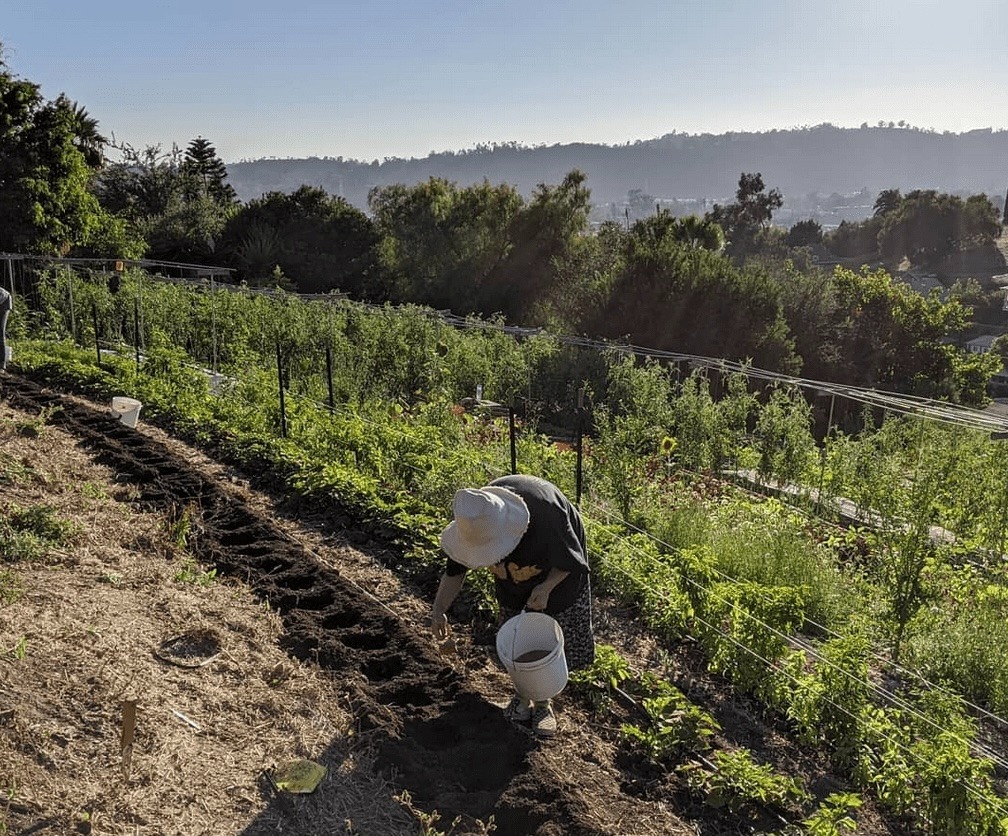
What was once a typical Los Angeles hillside—dusty, grassy, and dotted with a few cacti—has been transformed into a productive green space. The owners dedicated themselves to converting challenging urban soil into a regenerative oasis. By utilizing terracing, planting fruit trees to stabilize the slope, and actively composting, they revitalized the land. Today, the farm teems with tomatoes, peppers, carrots, beets, lettuce, and an array of flowers that add vibrant splashes of color to the urban landscape.
Establishing a farm in an urban environment came with its own set of hurdles, primarily time constraints, limited finances, and soil depletion. Despite the farm’s modest size, the owners sought support from their community, which proved essential in overcoming obstacles and maintaining motivation. Engagement with local residents became a cornerstone of Avenue 33 Farm’s success. Collaborating with the community enabled them to recruit volunteers, host educational events, and support individuals needing access to fresh food. The COVID-19 pandemic further underscored the critical need for local food sources. The farm provided produce to those unable to visit supermarkets safely and contributed to mutual aid funds and local food pantries.
Participating in the Farmland Program by Kiss the Ground allowed the owners to receive expert consultation on soil science and regenerative management strategies. It also provided a platform to exchange experiences with other farmers transforming urban plots.
Two primary figures stand behind Avenue 33 Farm: Eric Tomassini and Ali Greer. They launched the initiative in 2018. Eric serves as the Executive Director, bringing a background as a chef and restaurant worker. His previous experience leading a vocational training and retraining program at a nonprofit inspired him to establish urban farms focused on sustainable agriculture and food accessibility. Ali Greer, a co-founder alongside Eric, worked with him to transform the initially neglected hillside into a thriving agricultural hub.
Farming Practices
Avenue 33 Farm employs regenerative agricultural methods, with a strong emphasis on soil restoration. After studying traditional food-growing practices from around the world, the farmers adapted these techniques to their specific hillside terrain and now share their knowledge with other urban agrarians. This approach not only improves soil fertility but also restores the ecosystem: the farm attracts birds, predators, hummingbirds, bees, and other beneficial insects that promote pollination and biodiversity.
Healthy soil triggers an ecological chain reaction that supports various forms of life and strengthens the resilience of the urban landscape. The farm has become a site where residents can witness the results of a regenerative approach firsthand and participate in restoring the natural environment.
Seasonal Produce
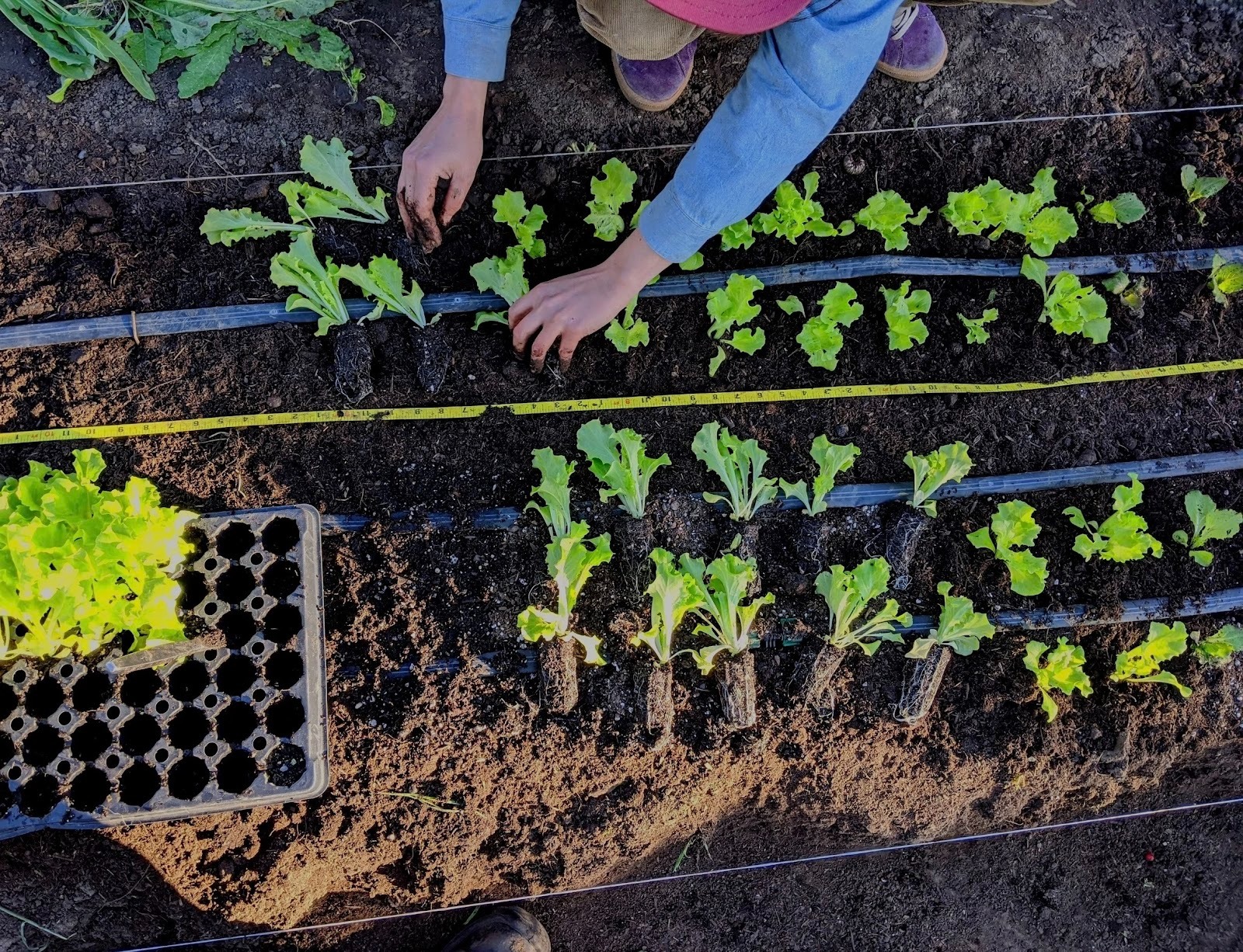
Avenue 33 offers a weekly “Farm Box”—a bundle of fresh produce containing approximately eight seasonal fruits or vegetables, plus a dozen eggs. The crops include tomatoes, peppers, eggplants, zucchini, okra, heat-tolerant greens, and other seasonal favorites. Beyond vegetables, they cultivate flowers and ornamental plants, which serve both as edible crops and for creating beautiful bouquets or decorative accents.
Avenue 33 practices agroforestry, maintaining a system where over 50 vegetable varieties and up to 15 types of fruit can grow simultaneously. This is achieved through a multi-layered structure of trees, shrubs, and ground crops.
The farm grows tomato varieties specifically selected for the Los Angeles climate, producing both “slicers” (standard large tomatoes) and cherry tomatoes. This crop diversity demonstrates that even a small urban farm can realize the concepts of food autonomy and sustainable production. Through agroforestry and regenerative methods, the farm supports soil health and biodiversity, creating space for natural cycles, pollinators, animals, and birds—even within the limits of a major metropolis.
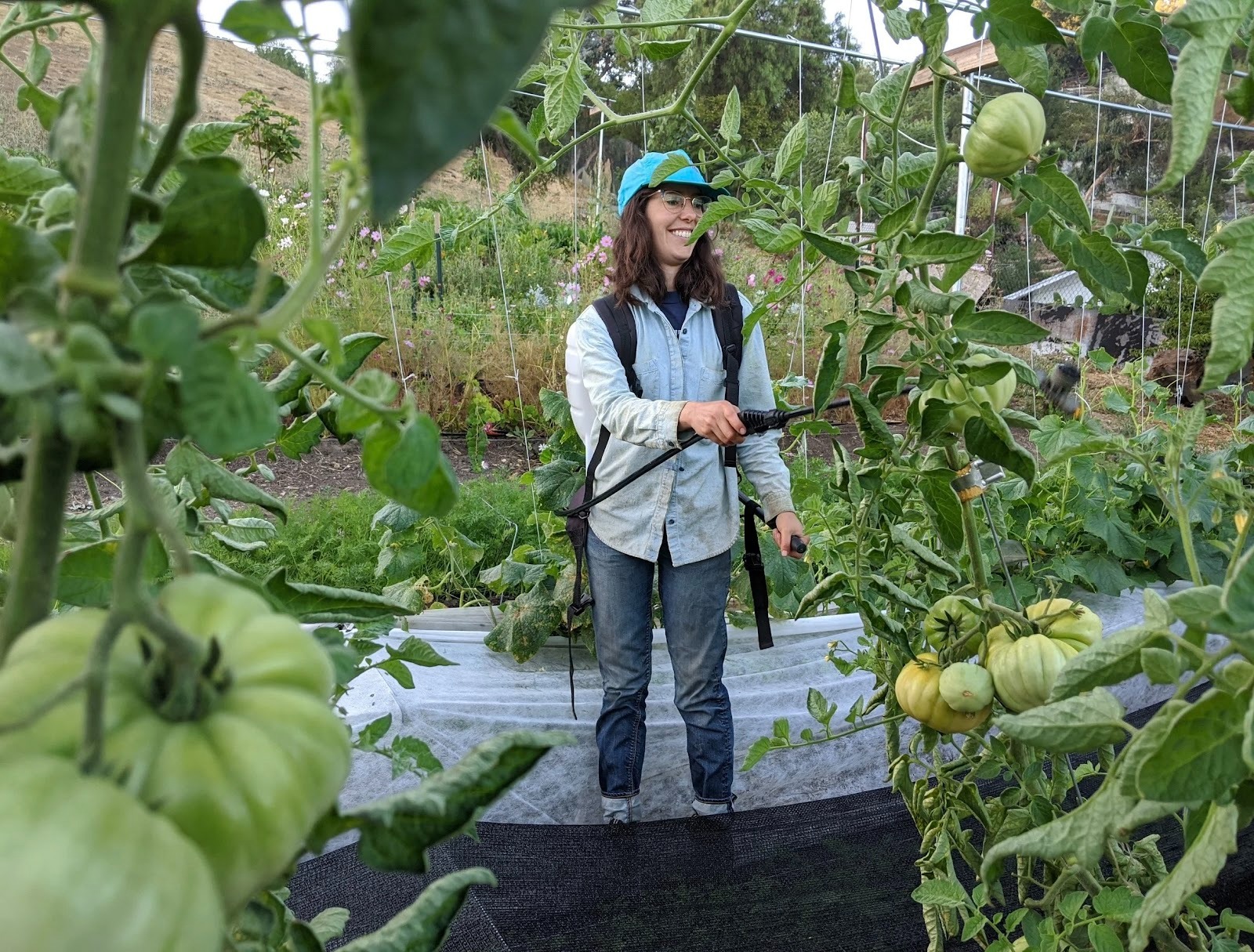
One of Avenue 33’s key missions is providing fresh, accessible food to citizens of varying income levels. The farm operates on a sliding-scale model: “Farm Boxes” can be purchased at full price or at a reduced rate (including significant discounts for EBT users). This ensures that many households can access organic produce at an affordable price.
Avenue 33 Farm demonstrates that creating a green, productive space is possible even in a densely built-up metropolis. The farm combines ecological benefits with social responsibility and educational opportunities. Through their work, the owners are not only revitalizing the urban landscape but also inspiring others to engage in regenerative farming and environmental stewardship.