

The story of the Chicken of the Sea brand is more than just the rise of a major food company. It is a defining chapter in American industrial history, deeply intertwined with the birth of the canning industry, the evolution of commercial fishing, and its environmental footprint, particularly in Los Angeles. From early experiments with tuna to becoming a global seafood powerhouse, this journey mirrors how industrialization reshapes both economies and ecosystems. Read more at los-angeles.name.
The Founding Years
At the turn of the 20th century, tuna was far from an American staple. That changed when entrepreneur Alfred Halfhill stepped in, founding the first fish cannery in the Los Angeles Harbor in 1893. By experimenting with a new method—steaming the fish and packing it in olive oil—he transformed tough tuna into a tender product that tasted remarkably like chicken. This breakthrough positioned tuna as an affordable meat alternative. By the 1910s, canned tuna had caught on with consumers, and the industry exploded.
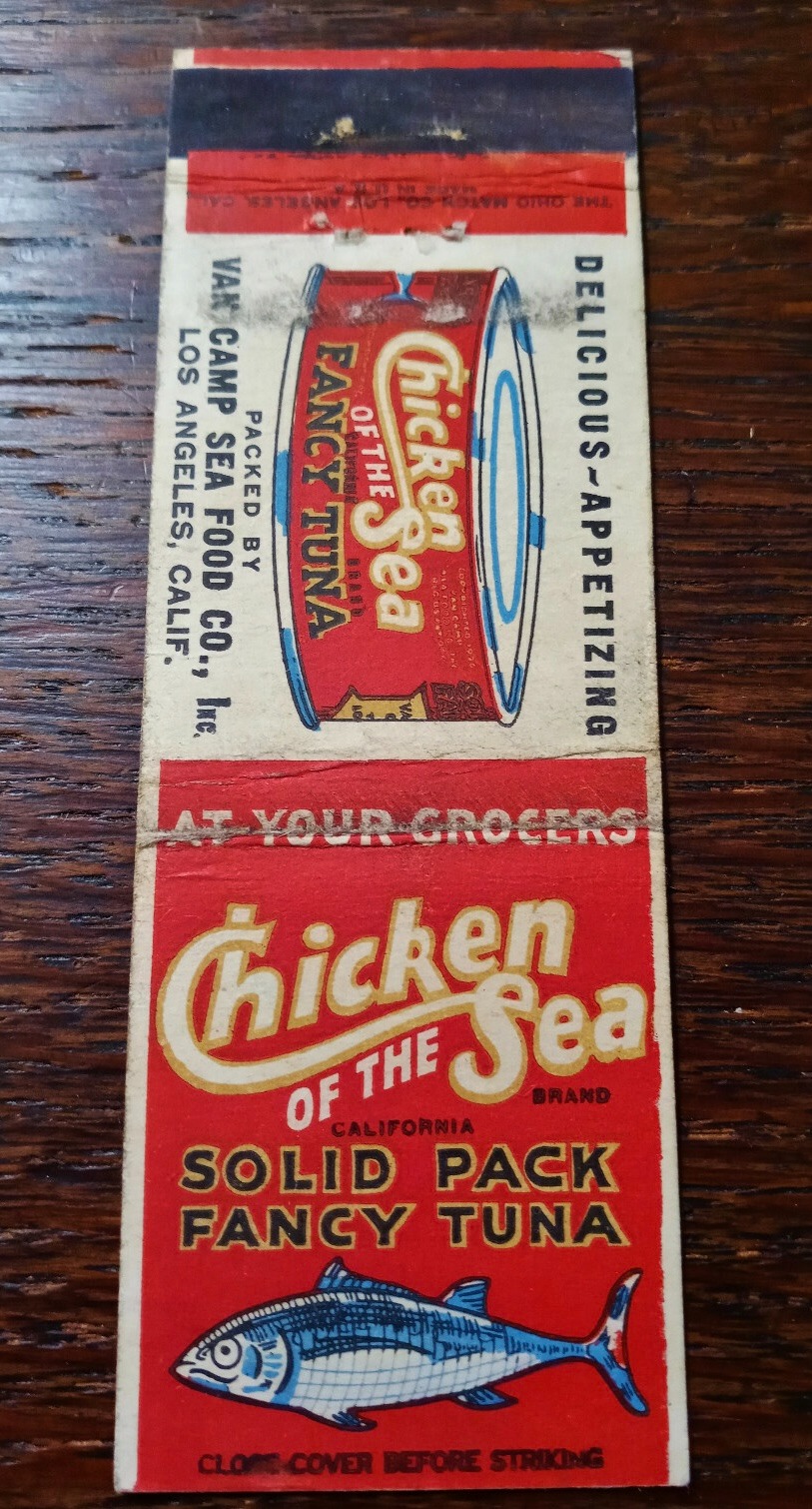
In 1914, businessman Gilbert Van Camp bought the California Tuna Canning Company in San Pedro, renaming it the Van Camp Sea Food Company. The business quickly became an industry leader known for its market innovations. In the 1950s, the company debuted the slogan “Chicken of the Sea,” which eventually became its official name. The catchphrase highlighted the mild flavor of white albacore tuna, comparing it to chicken. The company also ramped up its marketing by introducing Catalina the Mermaid, who went on to become one of America’s most recognizable advertising icons.
Throughout the first half of the 20th century, the company aggressively expanded, introducing new canning technologies and growing its product line. During World War II, demand for canned tuna spiked dramatically. It served as a highly convenient, protein-rich staple for both troops overseas and civilians back home.
The growth of Chicken of the Sea was fueled by rapid technological advances in food processing. A key innovation was perfecting the thermal process using industrial retorts, which sterilized the fish under pressure. This dramatically extended shelf life without sacrificing nutritional value. Additionally, the company implemented strict quality controls that met U.S. Food and Drug Administration standards, rigorously inspecting raw ingredients, monitoring processing temperatures, and ensuring airtight packaging.
Los Angeles’s Industrial Seafood Hub
The Chicken of the Sea cannery on Terminal Island became a major economic engine for the region’s fishing sector. It anchored a massive industrial cluster where multiple brands canned tuna side-by-side. By the mid-20th century, Los Angeles had transformed into the capital of the global fishing industry. The Chicken of the Sea facility remained the last major operation of its kind in the United States, running all the way into the early 2000s.
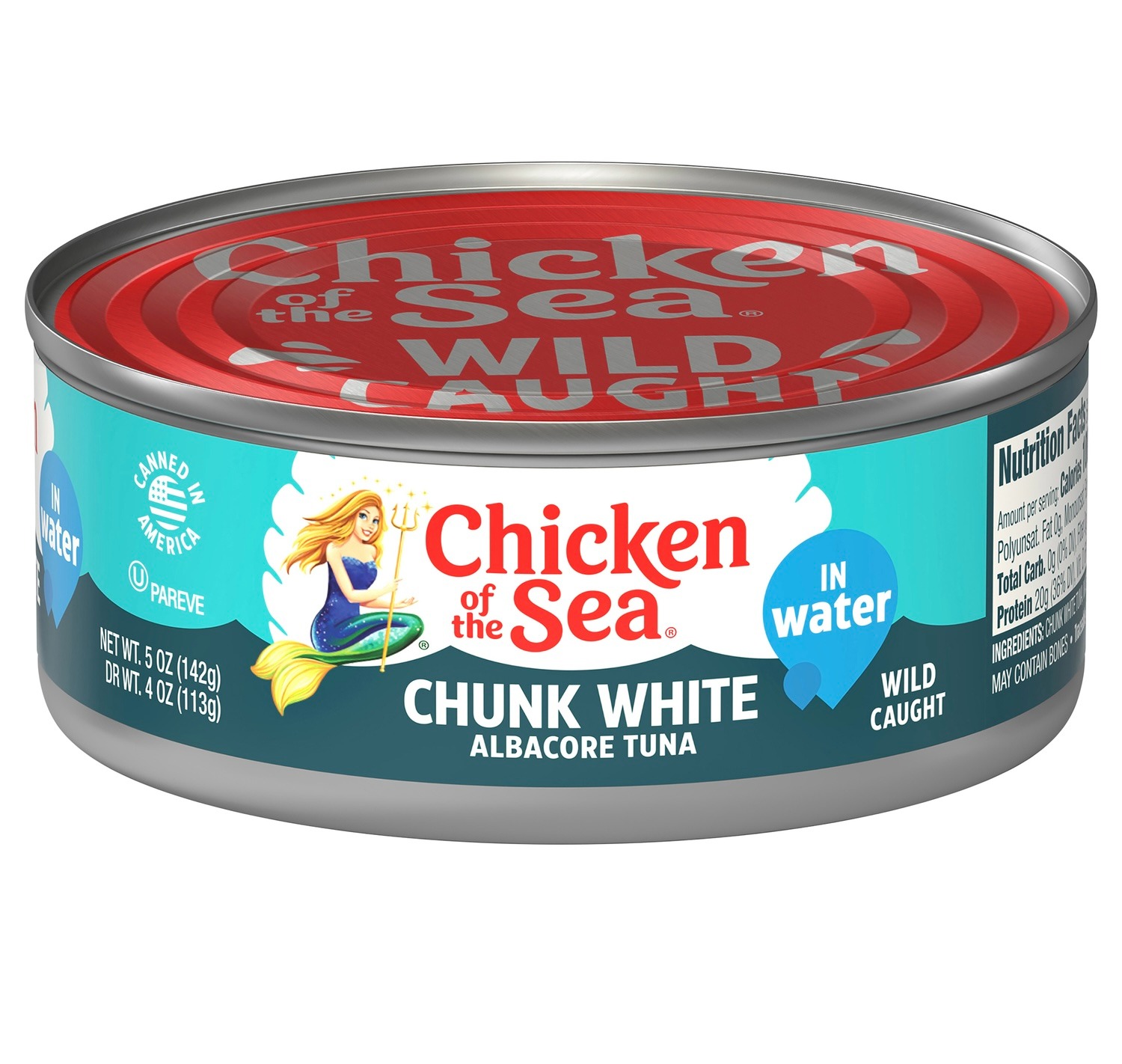
In 1963, Ralston Purina acquired the company, which later passed into the hands of international investors. By the late 20th century, production gradually moved away from the U.S. mainland. Operations in American Samoa took center stage, offering better economic viability due to lower labor costs and proximity to prime tuna fishing grounds. In 1997, the brand joined Tri-Union Seafoods, and by 2000, it was fully acquired by Thai Union Group—one of the world’s largest seafood producers. Today, the company sources its fish across the Atlantic, Pacific, and Indian Oceans, primarily catching skipjack, yellowfin, and albacore. Processing involves butchering, precooking, and packing the seafood into cans or pouches. To meet modern consumer demands for transparency and environmental accountability, Chicken of the Sea has implemented robust tracking systems, tracing fish from the boat directly to the grocery shelf.
The Environmental Toll
The booming canning industry came with a heavy environmental price tag. Mass tuna harvesting placed severe strain on marine ecosystems. Intensive fishing practices, particularly throughout the 20th century, triggered steep declines in several fish populations. Furthermore, running these massive canneries generated significant industrial emissions and water pollution.
Around the Port of Los Angeles, fish processing plants degraded coastal water quality by dumping industrial wastewater directly into the harbor. On the flip side, the industry drove major breakthroughs in food preservation technology. These advancements ultimately reduced food waste and made nutritious seafood accessible to millions of households.
Controversies and Corporate Responsibility
Chicken of the Sea has maintained a “dolphin-safe” policy since 1990 to minimize harm to marine mammals. Even so, environmental groups have criticized the brand for a lack of transparency and for using fishing methods that endanger other marine life. A major point of contention is the use of Fish Aggregating Devices (FADs). While FADs boost fishing efficiency, they disrupt ecosystems and lead to the accidental capture of juvenile fish and non-target species.
In 2015, a groundbreaking Associated Press investigation exposed forced labor in Thailand’s fishing industry, linking it to major seafood suppliers. This created a massive public relations crisis for Thai Union Group. In response, the parent company launched its SeaChange sustainability strategy, introducing supplier audits, improving working conditions, and increasing supply chain transparency. Despite these steps, human rights organizations continue to push for stricter oversight.
Chicken of the Sea also found itself in the crosshairs of U.S. antitrust regulators. The company cooperated with authorities during a major investigation into a price-fixing conspiracy among tuna producers between 2010 and 2013. While whistleblowing helped the company avoid criminal charges, it still faced massive financial payouts to settle civil lawsuits. Additionally, the brand faced legal challenges over its “dolphin-safe” labels, with plaintiffs arguing the claims misled eco-conscious consumers.
Today, Chicken of the Sea is a co-founder of the International Seafood Sustainability Foundation and actively participates in Fishery Improvement Projects. The brand has pledged to source 100% of its seafood responsibly by 2030. Key priorities under this initiative include shrinking its carbon footprint, switching to eco-friendly packaging, and leveraging digital tools to track its supply chain from ocean to table.
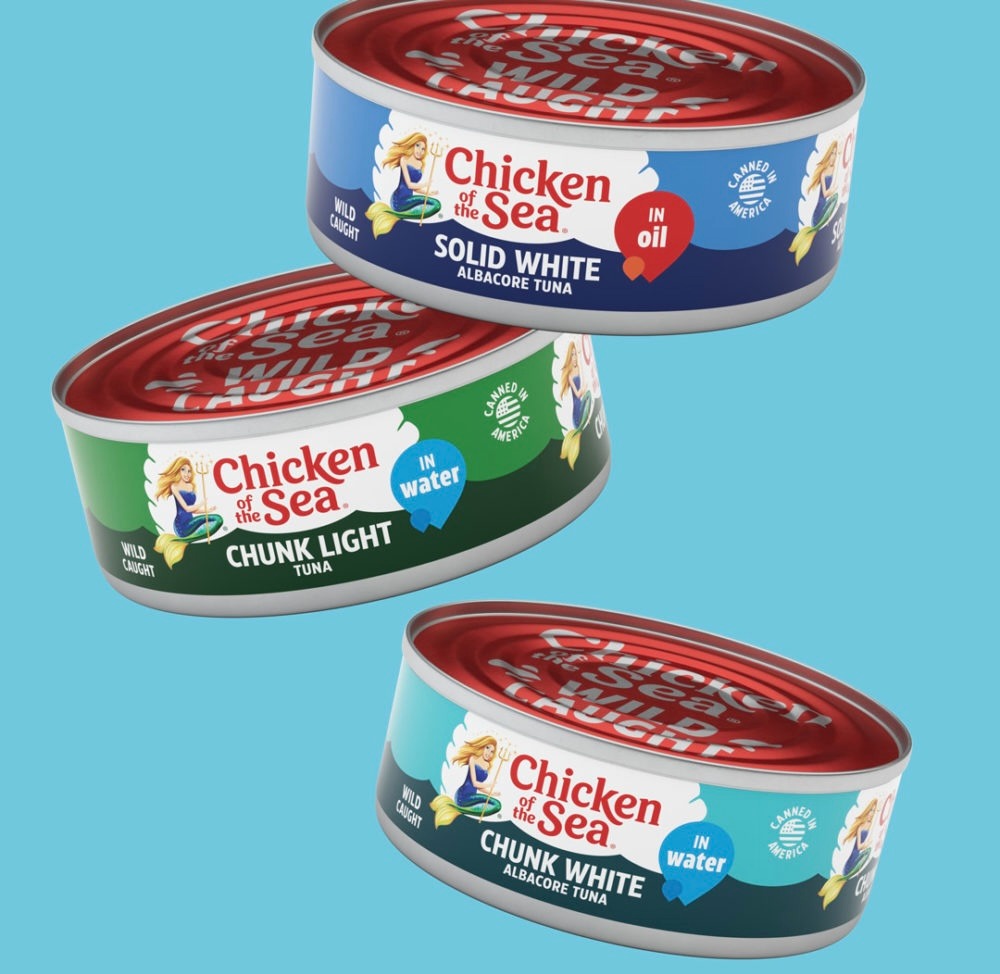
Operating as part of a massive global conglomerate, Chicken of the Sea now offers a diverse portfolio ranging from traditional tuna to shrimp and salmon. In today’s market, sustainability and responsible fishing have become non-negotiable. Global seafood leaders are under intense pressure to adapt to new environmental standards, secure green certifications, and minimize their footprint on the world’s oceans.
The trajectory of Chicken of the Sea is a classic example of how a local business can evolve into a global powerhouse, transforming food culture, the economy, and the environment along the way. While the company pioneered the commercialization of tuna and revolutionized canning, it also became entangled in the complex ecological challenges of resource depletion. Ultimately, its legacy highlights the delicate, ongoing struggle to balance industrial growth with environmental preservation.